
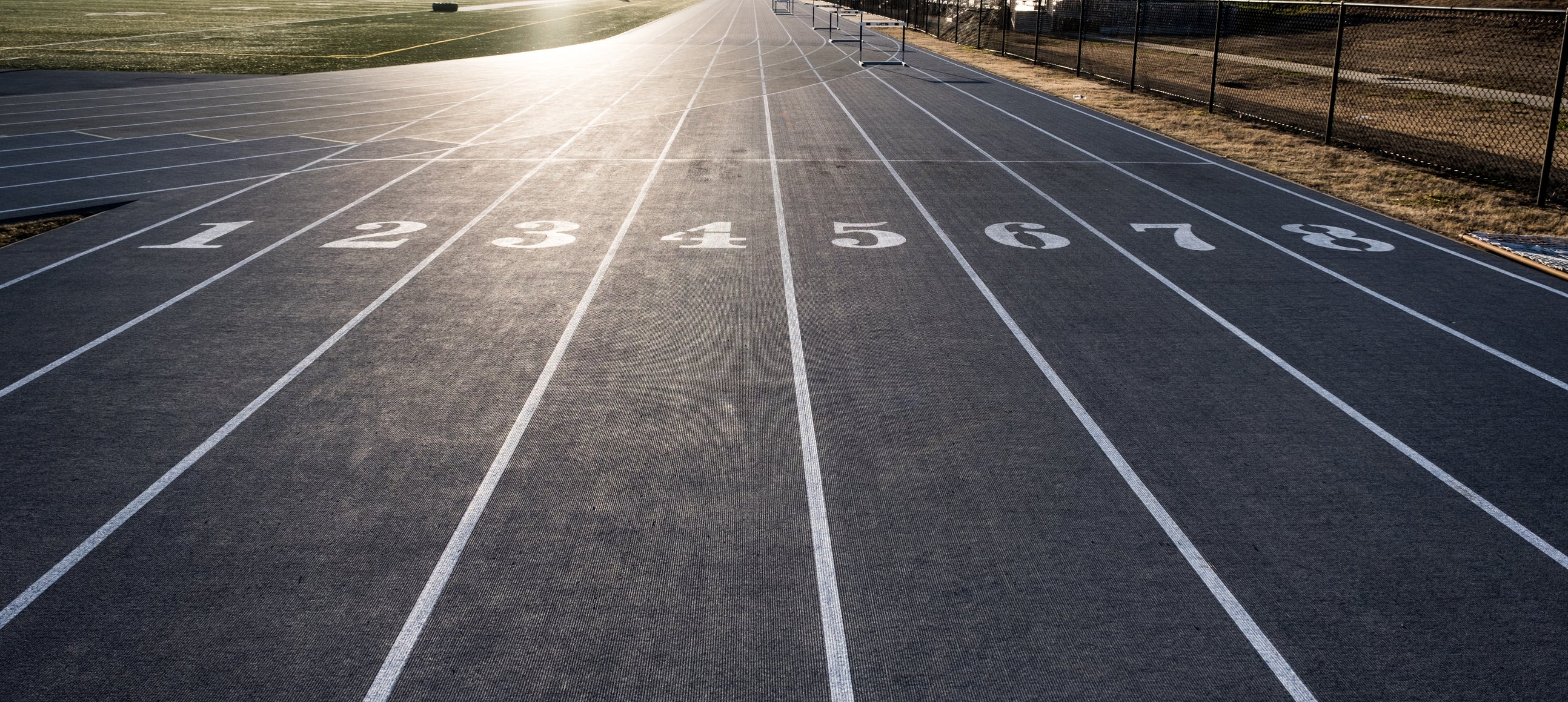
Strides in cross country are short, controlled accelerations. They typically last 15 to 30 seconds. Runners perform them after a warm-up or during a cool-down. Strides enhance running mechanics and prepare leg muscles for faster efforts. They improve leg turnover efficiency on varied terrain.
💡 Stuck on a team name? Try our free Team Name Generator →
TL;DR
Strides are brief, sharp accelerations of 50 to 150 meters, often performed towards the end of a cross country training run, to enhance leg speed and reinforce good running mechanics.
Unlike an all-out sprint, strides maintain controlled form and are typically run at 80-90% of maximum effort, allowing runners to practice effective movement patterns without accumulating excessive fatigue. They are a common component of a complete cross country training regimen.
Why Are Strides Important for Cross Country Runners?
Strides are important for cross country runners because they develop leg speed and reinforce efficient running form, which translates into better performance on race day. They help maintain a quick and powerful leg turnover, something essential when navigating uneven cross country courses.
These short bursts also prepare muscles for the quicker pace needed during the final stages of a race.
- Strides improve neuromuscular coordination, teaching the legs to move faster.
- They help to activate and strengthen the fast-twitch muscle fibers, boosting acceleration.
- Practising strides enhances running economy, making longer runs feel easier.
How Do Strides Improve Running Economy and Speed?
Strides improve running economy and speed by increasing an athlete's turnover rate and refining their biomechanics, allowing them to cover more ground with less energy expenditure. By focusing on quick, light footfalls and a strong arm drive, runners can reduce ground contact time and enhance propulsion.
Consistent stride work builds a more efficient running pattern, directly contributing to faster race times. For track field bags backpacks, visit ProPlayerTeam.
- Regular stride work builds muscle memory for efficient mechanics at higher speeds.
- It conditions the body to recover quickly from short, intense efforts.
- Strides help runners adapt to changing paces, a common demand in cross country races.
How to Choose the Right Stride Drills for Your Training?
Selecting appropriate stride drills involves considering your current fitness level, the specific goals of your training day, and the terrain available. Begin with flat, controlled strides to establish basic form before progressing to hills. Listen to your body and prioritize smooth, controlled movements over maximum speed. For track field jerseys, visit ProPlayerTeam.
- Assess your current training phase: early season for form, late season for speed.
- Consider your running surface: grass for cushioning, track for consistent pace.
- Focus on form cues: high knees, strong arm swing, light footfall.
- Incorporate strides after easy runs to ensure fresh legs for quality work.
