
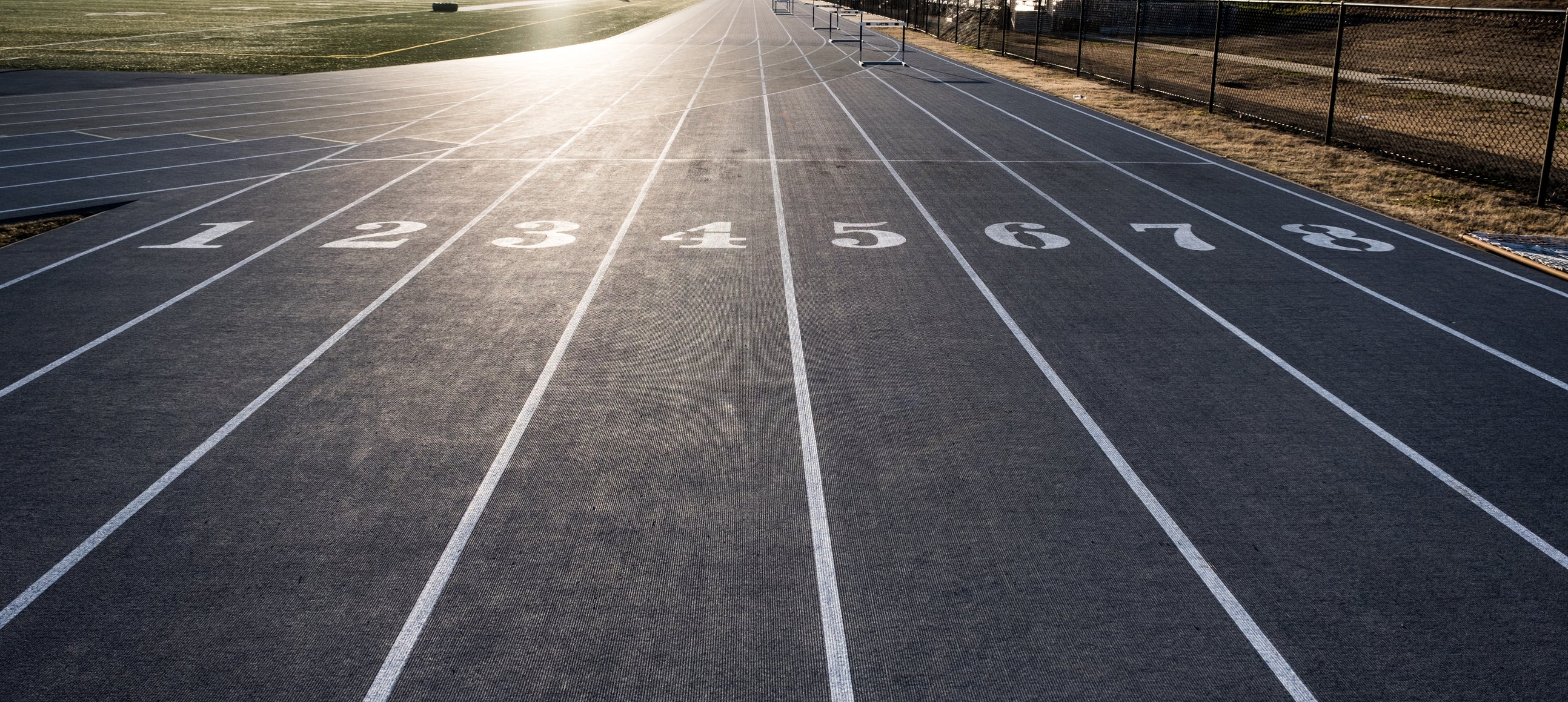
Cross-country running is not a track and field event because it occurs off-track. It involves natural outdoor courses. Track and field events are typically held on a designated track or within a stadium.
💡 Stuck on a team name? Try our free Team Name Generator →
TL;DR
Cross-country running falls under the broader athletics umbrella but is distinct from track and field events; it is contested on natural outdoor courses, typically 5-10 kilometers, and uses a low-point scoring system for teams, differing from track's structured oval races and field events.
What Distinguishes Cross-Country Running from Track and Field?
Cross-country running departs from traditional track and field by taking place on natural, varied terrain, unlike the controlled environment of a track. It originated in the early 19th century as an adaptation of steeplechase horse racing. This natural setting presents unique athletic demands beyond typical track circuits.
- High school courses are standardized at 5 kilometers (3.1 miles).
- Middle school races are shorter, typically spanning 3 kilometers (1.9 miles).
- Scoring uses a low-point system, summing the finishing places of the top five runners.
What Are Other Unique Track and Field Events?
The decathlon is a unique track and field event that tests athletes across ten diverse disciplines over two consecutive days. This demanding competition measures versatility in speed, strength, and endurance. Women's combined event championships usually feature the heptathlon (seven outdoor events) or indoor pentathlon (five indoor events).
- Events include sprints, throws, jumps, and longer runs.
- Performance in each event converts to points using World Athletics scoring tables.
- The highest cumulative total determines the winner, showcasing ultimate athletic prowess.
What Specific Regulations Apply to Javelin Throwing?
Javelin throwing involves explosive rotational power and precise execution, but it is heavily regulated in scholastic settings due to safety concerns. Twenty-four US states authorize the event, and eight of those mandate rubber-tipped javelins for high school competitions. This mandate aims to prevent injuries from pointed metal tips.
- Optimal release angles typically range from 30 to 40 degrees for maximum distance.
- High school implements must weigh 700 grams for boys and 600 grams for girls.
- A good high school throw ranges from 45 to 55 meters for boys and 30 to 40 meters for girls.
How to Choose the Right Event for You?
Choosing a track and field or cross-country event involves evaluating personal strengths and preferences. Consider these factors to find a suitable discipline.
- Aerobic Capacity: Do you excel in sustained efforts over longer distances?
Frequently Asked Questions
What are pyramid spikes used for?
Pyramid spikes are conical structures that temporarily compress the track surface, allowing the synthetic material to rebound and return energy to the runner, providing enhanced traction.
