
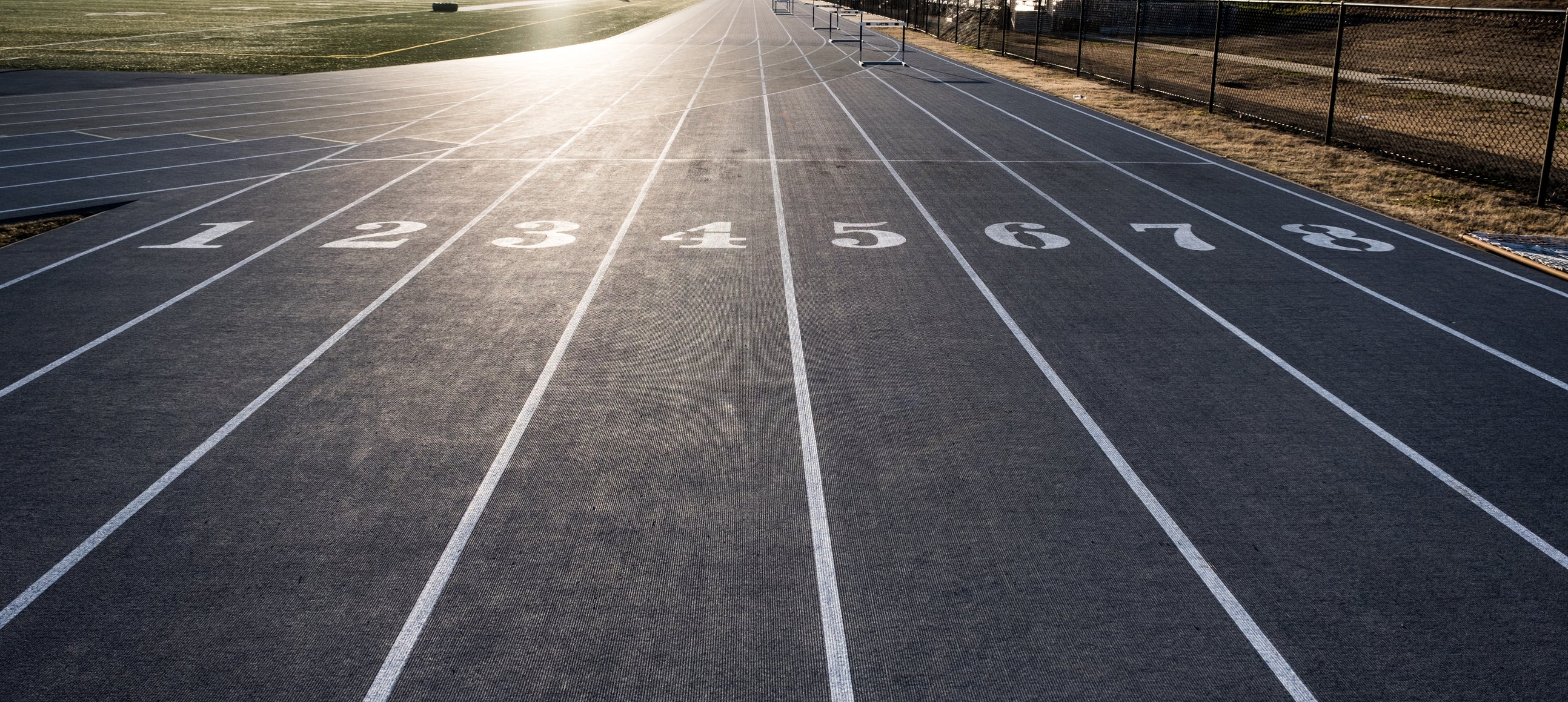
College track and field season typically spans from December through early June each year. Indoor meets generally occur from December to March, followed by the outdoor season from March to June. Championship events conclude in early summer.
💡 Stuck on a team name? Try our free Team Name Generator →
TL;DR
College track and field splits into two main seasons: indoor and outdoor. The indoor season typically commences in December and concludes in mid-March, frequently using banked tracks and focusing on shorter distances and technical events.
What Are the Key Periods for College Track and Field?
College track and field events are primarily contested during two distinct periods: the indoor season and the outdoor season. The indoor season serves as a precursor, offering athletes opportunities to hone skills.
The indoor season typically starts in December and finishes by mid-March. Following this, the outdoor season begins in late March and extends through early June, concluding with major championship meets. Athletes often compete in multiple events across both seasons to maximize their performance development.
- Indoor tracks are frequently banked, which helps athletes maintain speed.
- Outdoor meets often include a wider array of throwing events not feasible indoors.
- Collegiate athletes use these seasons to qualify for NCAA championship events.
How Do Indoor and Outdoor Seasons Differ in Event Offerings?
Indoor and outdoor collegiate track and field seasons offer distinct event menus tailored to their respective environments. Indoor tracks, typically 200 meters, accommodate most running events, jumps, and limited throws.
The outdoor season on standard 400 meter ovals allows for a broader spectrum of events, including various throws and specific distance races. For example, some throwing events and longer hurdle races are exclusive to the outdoor season due to space and safety requirements.
Athletes often specialise in certain event groups, competing in suitable disciplines each season.
- Indoor tracks are generally 200 meters with banked turns.
- Outdoor tracks are standard 400-meter ovals, often featuring a D-zone for throws.
- The outdoor season includes events like the javelin throw, which requires a large open area.
How to Choose the Right Training Focus for Each Season
Choosing the right training focus for each season involves adapting to event availability and specific competitive goals. Athletes should align their training regimens with the demands of indoor versus outdoor events.
