
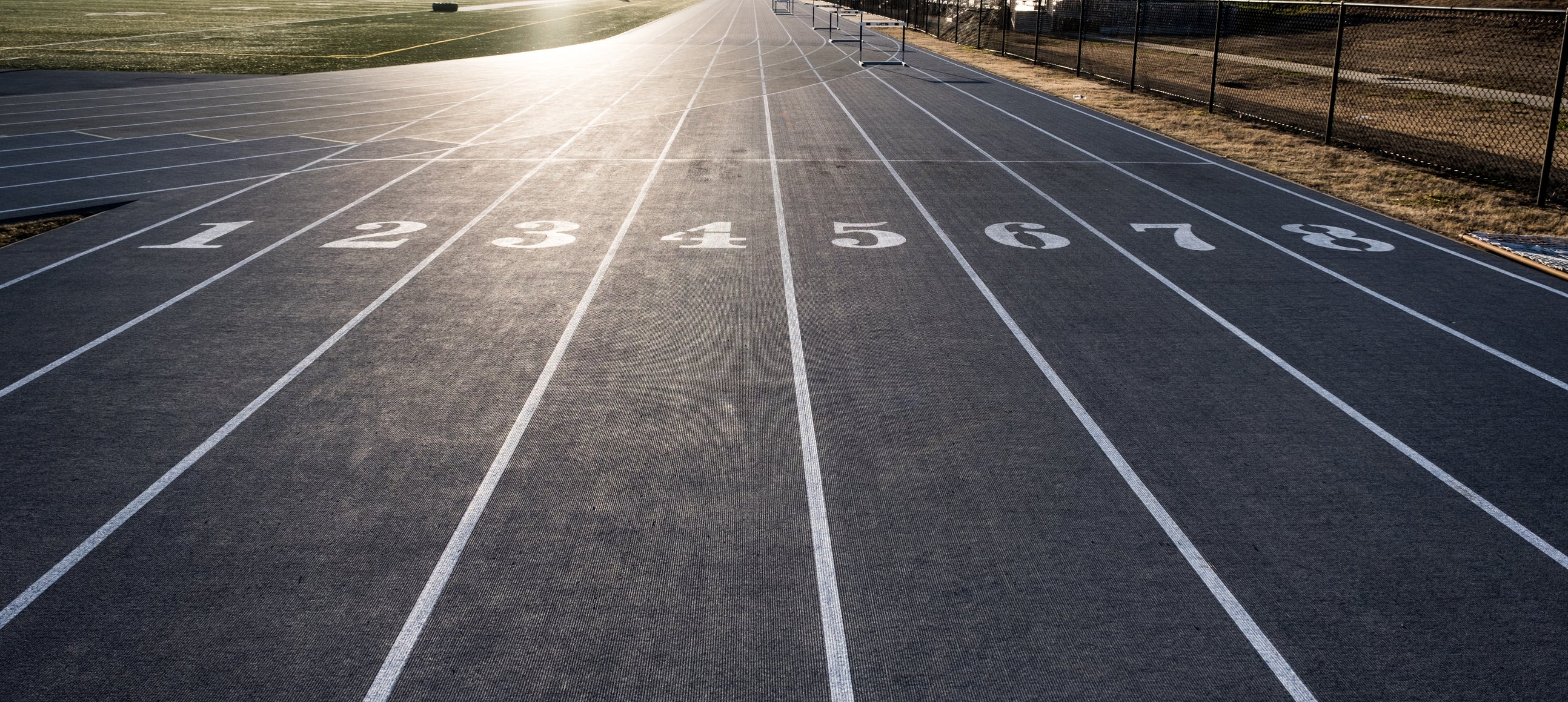
Track and field rules, formalized by World Athletics and the NFHS, govern diverse events globally. Regulations cover performance criteria, equipment specifications, and athlete conduct. These rules ensure fair competition across all disciplines.
💡 Stuck on a team name? Try our free Team Name Generator →
TL;DR
Track and field events, originating from ancient Greek Olympics, are governed by extensive rulebooks covering everything from spike length to scoring. For instance, outdoor pyramid spikes are limited to a 1/4 inch length to protect synthetic tracks, while cross-country uses a low-point scoring system where the top five runners' placements determine the team score.
The decathlon tests athletes across ten events over two days, with rigid sequencing and specific equipment weight, like 800g javelins for boys.
What Are the General Regulations for Track Events?
Track events are governed by strict rules on athlete conduct, starting line protocols, and proper lane adherence to ensure fair competition. Athletes must stay within their assigned lanes during races, particularly in events up to 400 metres, and false starts result in disqualification. Governing bodies continuously update these regulations.
- Athletes must not impede other competitors' progress.
- False starts, typically defined as leaving the blocks before the starting gun, result in disqualification.
- Uniforms must comply with specific guidelines regarding modesty and lack of obstructive elements.
What Are the Rules for Track and Field Equipment?
Track and field equipment adheres to precise specifications, such as track spike length and shoe stack height, to prevent unfair advantages and maintain the integrity of surfaces. For example, pyramid spikes for outdoor tracks are generally restricted to 1/4 inch.
- Track spikes must meet specific length requirements to protect synthetic surfaces.
- International competitions cap shoe stack height at 25mm for track events under 800m.
- Javelins must conform to weight and length standards, like 800g for high school boys.
How to Choose the Right Event for Your Skills?
Choosing the right track and field event involves assessing your natural physical attributes and preferences for speed, endurance, strength, or technical precision. Consider the varied demands of events like sprints, long-distance runs, throws, and jumps.
- Evaluate your natural speed and explosive power for sprints and jumps.
- Assess your endurance and stamina for middle and long-distance events.
- Consider your strength and coordination for throwing events such as shot put or javelin.
- Look at multi-events like the decathlon if you enjoy a variety of challenges.
