
The High Tech Revolution in Track and Field Equipment
Track and field used to be a beautifully simple affair. Athletes basically grabbed a pair of thin leather slippers that looked like something a medieval peasant would wear to a harvest festival and ran until their lungs felt like they had been scrubbed with industrial steel wool. Those days of suffering in silence are long gone. The sport moved well past the primitive era of cinder tracks and heavy wooden hurdles. Today, the local stadium looks more like a high security NASA laboratory than a primary school gym. From shoes that practically bounce for the runner to starting blocks that measure pressure with surgical precision, technology turned every single millimetre of the track into a high stakes battlefield. If a team is not keeping up with the latest gear, they are essentially showing up to a Formula 1 race on a rusty tricycle while everyone else is driving a rocket ship.
TL;DR
- Carbon fibre plates and PEBA foams have redefined distance and sprint times by maximising energy return for athletes.
- Digital starting blocks and laser measuring systems provide instant data that eliminates human error during officiating and coaching.
- Smart fabrics in modern apparel manage heat and wind resistance significantly better than traditional cotton or bare skin.
- Customisation is now the gold standard for both individual performance and building an intimidating, cohesive team brand.
# In This Article
5 sectionsQuick navigation to each section of this article:
Quick Tips
1Replace racing spikes every 100 miles to maintain foam integrity and plate snap.
2Use digital sensors during practice to identify uneven force distribution in starting stances.
3Choose aerodynamic speed suits with textured patches to reduce drag during high velocity.
How Do Super Shoes Change the Game?
The world of track spikes used to be about staying as close to the ground as humanly possible. Then Nike showed up with the Vaporfly and Alphafly, and suddenly everyone was wearing platform shoes that looked like something a disco dancer from the 1970s would wear to a sweaty underground rave. These are not just thick soles for comfort. They contain a rigid carbon fibre plate sandwiched between layers of ultra-responsive PEBA (polyether block amide) foam.
The plate does not actually provide a spring in the way most people think. It is not a literal pogo stick hidden in the heel. Instead, it stabilises the foot and keeps the toes straight, reducing the energy lost at the joint during the toe-off phase. When combined with the foam, which returns about 87 per cent of the energy put into it, the result is a massive reduction in muscle fatigue. It is like running on a cloud that also happens to be very angry and wants to push the runner forward at all costs.
Every major brand followed suit to avoid being left in the literal dust. New Balance, Adidas, and Puma all have their own super spikes now. High-jumpers and triple jumpers are also seeing the benefit of these aerospace materials, which help absorb the bone-rattling impact of a landing that would otherwise feel like dropping off a second-story balcony onto cold concrete.
What Is Happening With Track Surfaces?
If a runner tries to sprint on a dirt track after a heavy rainstorm, it feels like trying to run through a giant bowl of lukewarm oatmeal. Modern tracks are the polar opposite. Most elite facilities now use prefabricated vulcanised rubber. Companies like Mondo turned the ground itself into a highly sophisticated piece of athletic equipment.
The latest surfaces contain hexagonal air cells in the bottom layer. When an athlete hits the track, these cells compress and then expand, returning energy directly back to the leg. It is a literal feedback loop. This is not just about pure speed. These surfaces are designed to be consistent in all weather types. Whether there is a heatwave in Texas or a miserable drizzle in Manchester, the grip remains exactly the same. This level of consistency allows athletes to push their absolute limits without the fear of slipping like a cartoon character on a discarded banana peel.
"The track surface is no longer just a floor; it's a partner in the performance. A modern track can reduce the metabolic cost of running by several percentage points." - Dr. Michael Joyner, Mayo Clinic Researcher
How Does Data Tracking Improve Performance?
Society is well past the days of a coach standing on the sidelines with a dusty stopwatch and a plastic clipboard. Today's training sessions involve more sensors than a self-driving car. GPS pods are tucked into sports bras, and IMUs (Inertial Measurement Units) are strapped to ankles. These devices track everything from ground contact time to flight time and even the symmetry of a runner's stride.
If a sprinter is leaning two degrees too far to the left during their transition phase, the data will scream it in real time. This prevents the kind of "mystery injuries" that used to end promising careers overnight. By seeing exactly where the stress is going, athletes can adjust their form before a hamstring decides to quit the job like an overworked intern. Even the starting blocks gone digital, using force plates to tell a coach exactly how much power is being generated during that explosive first step. It is essentially "Moneyball" but for people who wear very short shorts and have no body fat.
Sources: Catapult Sports Track Analytics
What Are the Innovations in Throwing Gear?
Field events often get ignored by the casual viewer until someone throws a massive metal spear through the air with the grace of a gazelle. Javelin technology moved toward carbon-composite shafts that are designed to be much stiffer. A stiffer javelin vibrates less in the air, meaning it cuts through the wind like a hot knife through butter rather than wobbling like a piece of overcooked spaghetti.
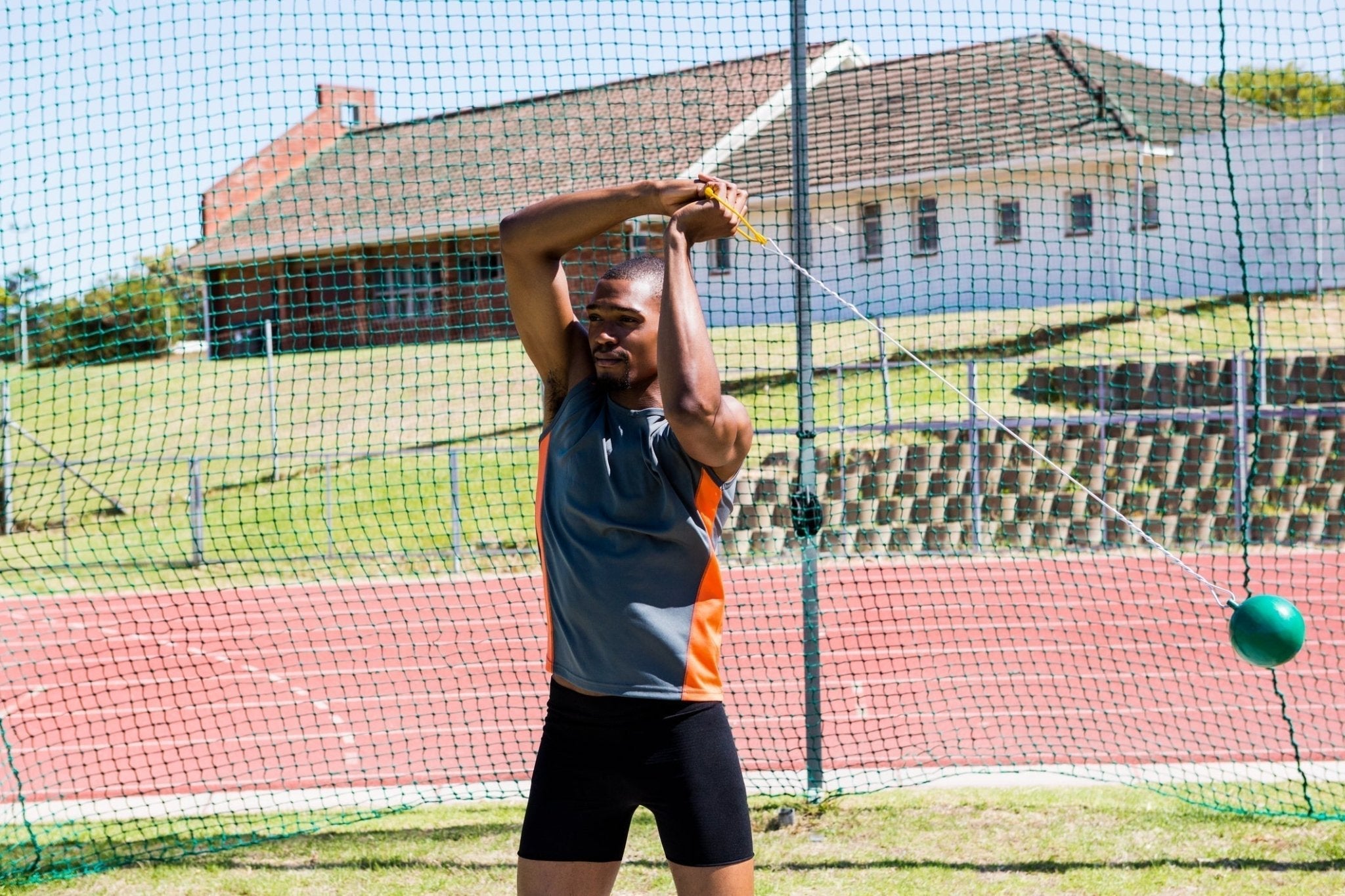
Discus designs also pivoted toward high-spin weight distribution. By using rim-weighting techniques with brass or tungsten, manufacturers ensure the discus stays stable even in nasty crosswinds. It is all about the "moment of inertia." For the shot put, the focus is on the grip and the "sphericity." If the ball is not perfectly round or the coating is too slick, a world-class thrower will notice it immediately. Modern shots use specific powder coatings that stay grippy even when someone is sweating enough to fill a bucket.
How Does Custom Apparel Impact Spirits?
Looking like a bunch of uncoordinated teenagers is a great way to lose a meet before it even starts. There is a genuine psychological edge to arriving at a stadium looking like a unified force of nature. Custom track and field uniforms evolved from basic polyester singlets into high-tech performance wear that fits like a second skin.
Modern sublimation printing allows for incredible designs that do not fade, crack, or peel after a few washes. This means teams can go wild with neon colours, aggressive patterns, or sleek, minimalist looks that scream professional. More importantly, these uniforms are "mapped" to the body. Using different fabrics for the chest, back, and underarms ensures that sweat is wicked away and the wind does not catch on loose bits of fabric. When a team looks the part, they play the part. It builds a sense of identity that can be the difference between a podium finish and a "thanks for coming" ribbon.
How Do They Compare Side by Side?
When choosing gear, it is easy to get overwhelmed by the buzzwords. Is "Energy Return" actually different from "Responsiveness"? Usually, it is just marketing speak for "it's bouncy." However, understanding the differences between amateur-grade and elite-level gear is vital for any program looking to improve its standing.
Which Option Should You Choose?
Deciding where to spend a limited budget is the hardest part of managing a track team. A school cannot just buy everyone three hundred dollar shoes every two months unless it is sponsored by a bored billionaire. The best approach is to invest in things that actually last. High-quality hurdles and electronic timing systems are "buy once, cry once" investments. They will serve the team for a decade if treated with respect.
For the athletes, the focus should be on apparel first and shoes second. Why? Because a custom-designed uniform creates a culture. It makes everyone feel like they belong to something bigger than themselves. Shoes are individual, but the kit is the team. When you have a squad draped in high-quality, breathable, and visually striking custom gear, everyone works harder. It makes those freezing 6:00 AM winter practices feel a little less like a punishment and more like a high stakes mission to the podium.
? Frequently Asked Questions
5 questionsFinal Thoughts
The track and field landscape is changing faster than a sprinter on a personal best day. The sport moved from the grit-and-dirt era into a digital age where every single stride is calculated and every ounce of fabric is engineered for speed. Whether someone is a coach trying to build a dynasty or an athlete looking for that extra tenth of a second, staying on top of these innovations is non-negotiable. Do not let the team get left in the dust of the 20th century.
Ready to make the team look as fast as they feel? Take the next step in the evolution of the programme. Designing a unique look is the easiest way to boost morale and intimidate the competition before the starting gun even fires. Check out custom track and field uniform design services today and start building a lasting legacy for the squad.
The evolution of sporting gear ensures that athletes can perform at the highest level while staying safe and looking professional.