Shin Splints: How to Get Rid of Shin Splints?
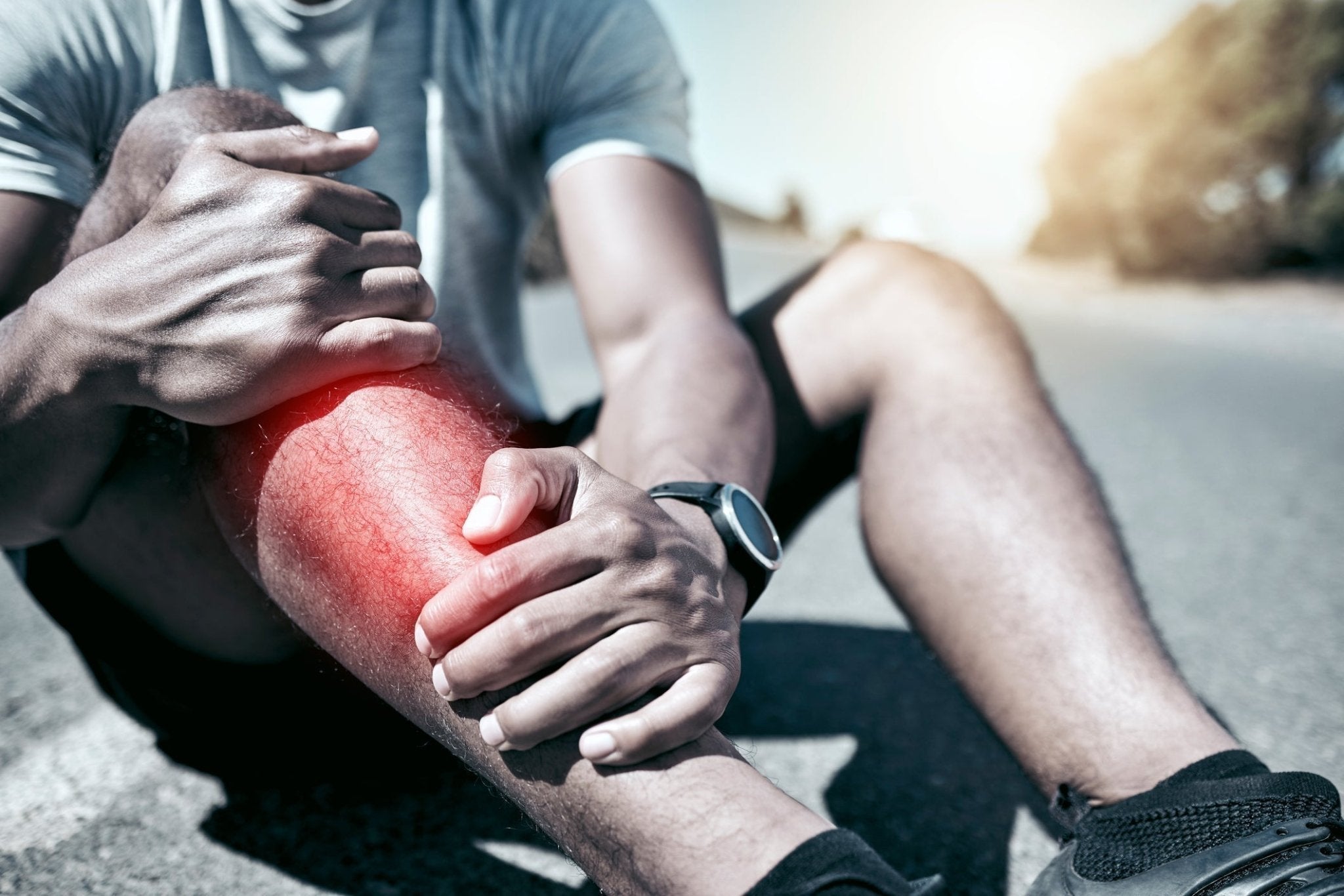
The clinical phenomenon known as shin splints, or Medial Tibial Stress Syndrome (MTSS), is best managed through a combination of load management, progressive strengthening of the soleus and tibialis muscles.
TL;DR
Shin splints, scientifically termed Medial Tibial Stress Syndrome (MTSS), occur when repetitive mechanical loading exceeds the tibia's ability to remodel, affecting up to 20 percent of runners. To fix shin splints effectively, individuals must transition from the traditional RICE method to a "PEACE & LOVE" approach that prioritizes gradual loading and muscle strengthening over passive rest or stretching.

Quick Tips
1Increase your running cadence by 5-10% to reduce tibial impact forces. Tip 2: Prioritise strengthening the soleus and tibialis over passive calf stretching. Tip 3: Replace running shoes every 300-500 miles to maintain proper cushioning.
# In This Article
5 sectionsQuick navigation to each section of this article:
What Is the Best Recovery Plan?
A structured recovery plan for shin splints must address the "bone stress continuum" by balancing rest with progressive loading. Most athletes fail because they return to full intensity too quickly after pain subsides. A successful protocol begins with a total "off-loading" phase of 3 to 7 days, depending on the severity of the initial pain.
During this time, the focus is on maintaining an aerobic base through non-impact activities like swimming or cycling. Once the athlete can walk for 30 minutes pain-free, they may progress to the "Return to Run" protocol. This gradual reintroduction involves a walk-run ratio, such as 1 minute of jogging followed by 4 minutes of walking, repeated five times.
The progression should never exceed a 10 percent increase in total weekly volume. If pain exceeds a 3 out of 10 on a subjective scale, the athlete must return to the previous week's volume. This structured approach ensures the bone has sufficient time to undergo remodeling as per Wolff's Law. Athletes often utilize track and field specific training programs to monitor this volume closely.
Sources: Physiopedia: Medial Tibial Stress Syndrome

How to Treat Shin Splints Effectively?
To treat shin splints effectively, modern sports science has shifted from the RICE (Rest, Ice, Compression, Elevation) method to the PEACE & LOVE protocol. While ice can provide temporary numbing, it can actually delay the natural inflammatory response required for tissue healing and bone remodeling.
The PEACE (Protection, Elevation, Avoid Anti-inflammatories, Compression, Education) phase covers the first few days of injury. This is followed by LOVE (Load, Optimism, Vascularisation, Exercise), which encourages the athlete to use pain-free movement to stimulate blood flow. Manual therapy, such as myofascial release of the soleus and flexor digitorum longus, can help reduce the traction forces exerted on the tibial periosteum via Sharpey’s fibers.
Gait retraining is the most critical long-term treatment. Increasing cadence (step rate) to 170-180 steps per minute reduces vertical oscillation and decreases the "braking force" that causes tibial bowing. Shorter steps ensure the foot lands closer to the body's centre of mass, transforming a jarring impact into a smoother transition. Carrying lighter track and field bags and backpacks can also help reduce the overall load on your lower limbs during commute.
Sources: British Journal of Sports Medicine: PEACE & LOVE Protocol

What Are the Best Exercises?
The most effective way to help shin splints is to shift the focus from stretching to strengthening. While many people try to stretch tight calves, recent studies show that "loading" the muscle through eccentric exercises is far more effective for long-term recovery.
Strengthening the tibialis anterior and the soleus is paramount. The soleus, which sits beneath the larger gastrocnemius, acts as a primary decelerator during running. If these muscles are weak, the tibia absorbs more shock, leading to microcracks in the bone matrix.
- Tibialis Raises: Lean your back against a wall with feet 12 inches out. Lift your toes toward your shins. Perform 3 sets of 20 reps.
- Soleus Wall Sits: Sit against a wall in a squat position with knees bent at 90 degrees. Lift your heels while keeping your toes on the ground. Hold for 30 seconds. Perform 4 sets.
- Single-Leg Glute Bridges: Lie on your back and lift your hips using one leg. This improves hip stability and reduces the "contralateral pelvic drop" that contributes to internal tibial rotation.
"Modern rehab for MTSS is about building a 'stronger chassis'. We don't just want flexible muscles; we want muscles that can absorb 2.5 times the body weight with every single step." - Dr. Michael Ryan, Sports Biomechanist

How to Fix Shin Splints with Medicine?
When looking at how to fix shin splints, many athletes reach for Ibuprofen or Naproxen immediately. While anti-inflammatory medications (NSAIDs) are effective at reducing acute pain, they carry risks if used long-term. NSAIDs can interfere with the bone healing process by inhibiting prostaglandins, which are necessary for bone remodeling.
Natural remedies, such as Vitamin D and Calcium supplementation, are often more beneficial for long-term healing. Low bone mineral density is a major underlying cause of persistent shin pain, especially in females who may be experiencing "Relative Energy Deficiency in Sport" (RED-S). Ensuring adequate caloric intake is just as important as any pill.
If pain is severe during the initial 48 hours, a short course of NSAIDs may be used, but it should not be relied upon to "mask" pain so you can keep running. Masking the pain leads to further microtrauma, potentially progressing the injury from MTSS to a full cortical stress fracture.
- NSAIDs: Best for acute pain (first 48 hours only). Risk of delaying bone repair.
- Topical Creams: Useful for localized relief without systemic side effects.
- Nutrients: Focus on Vitamin D (at least 1000 IU) and Calcium (1200 mg) for bone health.
- Omega-3s: Natural anti-inflammatories found in fish oil that support joint and tissue health.
Sources: Healthline: Vitamins for Bone Health

How to Decide What's Right for Your Situation
Determining whether you can treat your shins at home or if you need a specialist depends on the location and intensity of your pain. Most cases of MTSS will resolve with the protocols mentioned above, but some "red flags" require an immediate trip to a physical therapist or sports doctor.
- Check the pain span: Use your fingers to palpate the bone. If the tenderness is spread over 5 cm or more, it's likely MTSS. If it's a "hot spot" smaller than 5 cm, it's likely a stress fracture.
- The Hop Test: Try to hop on the affected leg. If you feel sharp, localized pain that makes you stop immediately, seek professional help.
? Frequently Asked Questions
4 questionsFinal Thoughts
Learning how to get rid of shin splints is a marathon, not a sprint. By focusing on increasing your cadence, strengthening your lower legs, and following a structured return-to-run plan, you can break the cycle of chronic injury. Don't let your shins hold you back from your goals. If you are looking to get back on the track in style, check out our track field jerseys and custom uniforms to look as fast as you feel.
References:
Sources:
- Physiopedia: Medial Tibial Stress Syndrome
- British Journal of Sports Medicine: PEACE & LOVE Protocol
- NHS: Exercises for Shin Splints
- Mayo Clinic: Shin Splints