
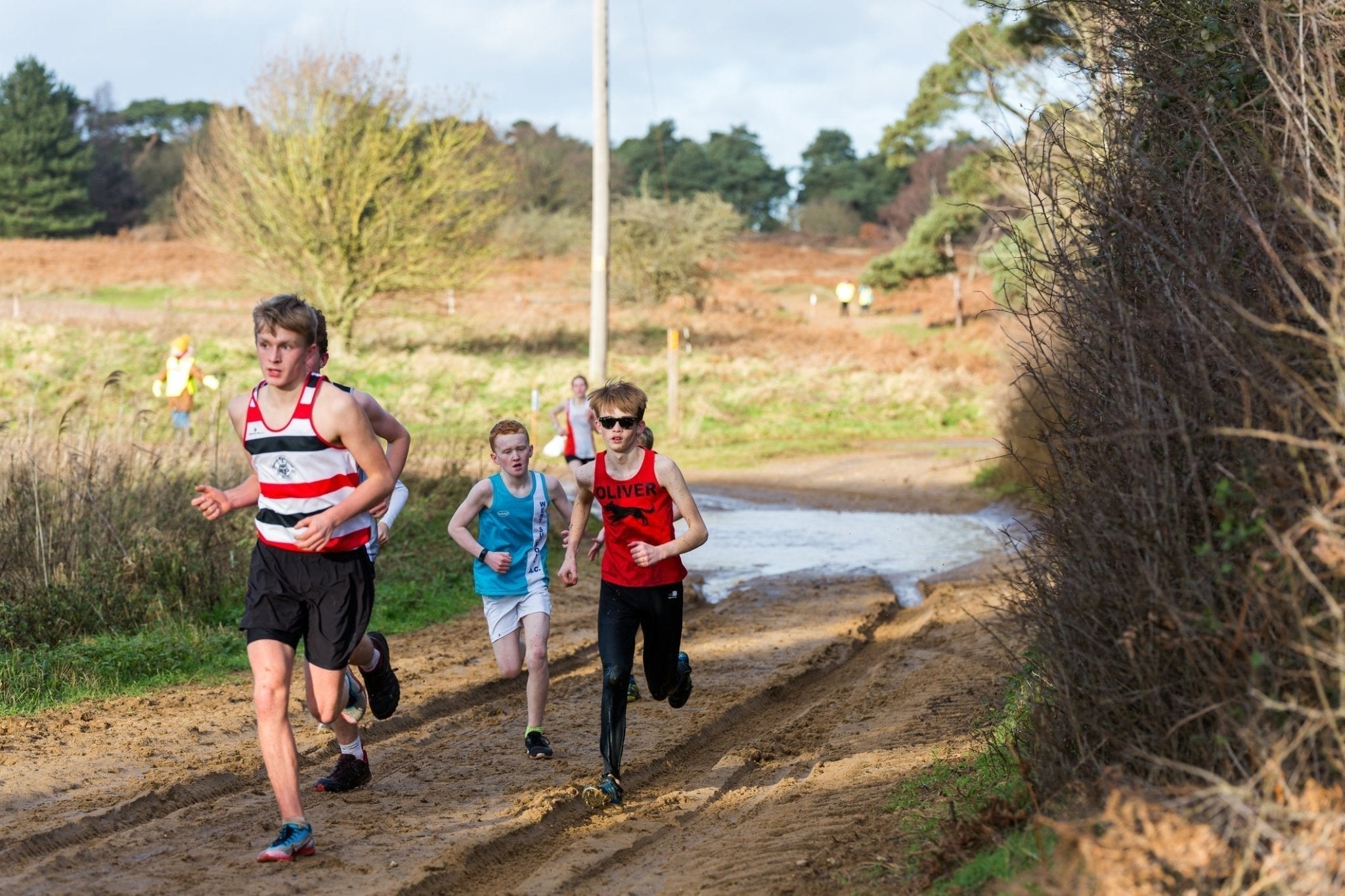
High School Cross Country Racing: A Parent's and Athlete's Guide
High school cross country offers young athletes an unparalleled opportunity to develop physical and mental fortitude through disciplined training and competitive racing, with standard race distances typically being 5.
TL;DR
High school cross country, primarily raced over a 5K distance, demands a strategic training plan focused on summer base building, varied in-season workouts, and careful peaking. Parents and athletes navigate specific meet rules, essential gear like spikes (with varied pin lengths for different terrains), and crucial race day logistics, all while fostering a supportive team culture from entry-level to varsity.

Quick Tips
1Prioritize summer mileage to build an "aerobic engine" gradually, increasing volume to avoid early season injuries.
2Invest in properly fitted training shoes and racing spikes to protect feet during the high school cross country season.
3Learn meet logistics, like course maps and cheering etiquette.
# In This Article
6 sectionsQuick navigation to each section of this article:
What Are the Standard High School Cross Country Race Distances and Rules?
High school cross country race distances in the United States are fairly standardized, with varsity races typically covering 5 kilometers. Younger or newer runners might encounter "Modified" or "Freshman" races that are often shorter, ranging from 1.5 to 2 miles, serving as an entry point into the sport. But for the main event, when you're talking about high school cross country, it's 5K, baby.
Cross country is a team sport, not just an individual sprint. The game is to get the lowest score, like golf, but with way more sweating. Your squad's top five finishers are tallied up; first place gets one point, anyone who finishes 50th gets 50 points. The team with the lowest collective score wins. Talk about high stakes mathematics. The sixth and seventh runners, the "displacers," are like secret weapons. They don't add to your team's score, but by finishing ahead of another team's top five, they kick their score up, pushing them down the standings. The sixth runner is also the tie-breaker, so don't disrespect the six-spot! If two teams end up with the same points, the one whose sixth runner crossed the line first takes home the glory.
Meet formats also come in a few flavors. Dual meets are intimate affairs, just two schools duking it out. But the big show, the invitationals, are where it gets wild. Dozens of teams, hundreds of athletes, all scrambling across the mud. These often split into Varsity, Junior Varsity (JV), and Freshman races.

What Gear and Equipment Are Essential for Cross Country Runners?
Listen, while cross country might look like you just need a pair of shoes and a prayer, the right gear is your silent partner. The most critical decision for any young athlete is footwear. It's not just a pair of trainers; it's a whole system. You need different shoes for different jobs. Training shoes are your daily drivers, your workhorses. They need to be perfectly fitted, especially since adolescent feet are still changing. Get a professional gait analysis and replace them every 300 to 400 miles, or you're just asking for shin splints. Seriously, do not ride those trainers into the ground. Most runners find that specialized track and field bags and backpacks help them organize this essential equipment.
Then there are "spikes," the racing shoes. These sleek, lightweight beauties are purpose-built for gripping natural surfaces. They have a flexible plate and rubber sole, and, importantly, they can take screw-in metal "pins." The length of those pins? That's where you get strategic. Quarter-inch pins for dry grass, half-inch for mud, and if you're slogging through extreme, deep mud, you're going for the five-eighths inchers. Don't be that person sliding around like a cartoon character. If the course hits any pavement, though, you swap the spikes for "racing flats." These are low-profile, full-rubber-sole shoes that give you traction without wrecking the asphalt or your ankles.
Modern training also brings in the tech-savvy stuff. GPS watches are no longer some futuristic gadget; they're standard issue. Tracking distance, heart rate, and elevation lets coaches fine-tune training plans and athletes see their progress.

What Does a Typical High School Cross Country Training Plan Look Like?
A high school cross country training plan is less a marathon and more a carefully orchestrated symphony of stress and recovery. It’s a "20,000-hour journey," metaphorically speaking, but the real work starts long before the high school cross country season officially kicks off. The key to success is building that "aerobic engine" in the summer, churning out high-volume, low-intensity miles. This "base building" phase determines how high an athlete can peak when it truly counts.
Summer programs ramp up mileage gradually, starting slow and building up to target volumes. We're talking steady-state runs, long runs that test patience, and fartleks, which are Swedish for "speed play" and help athletes learn to "run by feel." No GPS needed for every second, just internal physiological cues. You're teaching your body to be efficient without constantly stressing it into anaerobic overdrive. Once the high school cross country season begins, it’s a "hard-easy" rhythm, usually a 3-1 pattern: three weeks of increasing intensity, then a week of scaling back to let the body adapt.
Workouts themselves are varied. The weekly long run is your endurance cornerstone, building mitochondrial density. Throw in some strides at the end to practice finishing strong. Threshold and tempo runs are "comfortably hard" efforts that improve your aerobic ceiling. Think of it as pushing the gas without redlining the engine. Interval training, like 8x800m or 5x1000m, really sharpens race pace. And then there are hill repeats, which are basically strength training in disguise, building explosive power and improving.

How Can Parents Effectively Support and Navigate Race Day?
Being a cross country parent is not for the faint of heart; it requires commando-level planning and an understanding of chaotic beauty. Forget cheering from the bleachers; this is interactive spectating. First, parking at remote parks or high school campuses can be a real odyssey. Arrive early, like ridiculously early, to snag a spot. Then, immediately grab a course map. These are your treasure maps to strategically sprint between viewing points. Your athlete might only pass you two or three times over the entire how long is cross country race in high school distance, so you need to maximize those opportunities.
The "parent support" angle here is critical. You're not just a chauffeur; you're the emotional rock. You're on the course, cheering at key points, offering water bottles post-race, and then, crucially, you’re helping manage the emotional rollercoaster. There will be bad races, fantastic races, and injuries like shin splints. Your role is unwavering encouragement, reminding them that effort matters more than outcome, especially when races don't go their way. Handling the highs and lows of a grueling sport requires a consistent, positive presence.
Nutrition and hydration are also key, especially with the "school-to-practice" fuel gap. Your athlete needs to eat the night before a race, but forget massive carb-loading myths; consistent healthy eating is better than a last-minute pasta binge. Pack snacks for school bags: things like bananas, pretzels, or energy bars for pre-race fuel. On race day, bring a cooler with water, electrolyte drinks, and easy-to-digest.
How Does a Beginner Progress to a Varsity Runner?
The journey from a fresh-faced, often bewildered freshman to a seasoned varsity runner in high school cross country is a testament to consistency, grit, and the power of a good training plan. Imagine a freshman starting their high school cross country season with a 25-minute 5K. That's a good starting point, but the varsity goal - often under 18 minutes for boys and under 20 minutes for girls, depending on the program's strength - seems distant. The progression doesn't happen overnight; it's a four-year roadmap paved with summer miles, specific workouts, and learning to listen to your body.
The "beginner to varsity progression" is built on phases. Year one focuses on building that aerobic base, understanding the sport's emotional demands, and injury prevention, like managing those pesky shin splints. Early development means focusing on consistent running and avoiding burnout. By sophomore year, with a year of base under their belt, athletes can start to introduce more intensity and speed work. This is where they solidify understanding of their body’s capabilities over the high school cross country race distances.
Junior and senior years are where everything often clicks. The athlete has accumulated significant mileage, developed muscular and cardiovascular strength, and built mental toughness. They know when to push, when to hold back, and how to execute a race plan. Websites like Milesplit or Athletic. net become tools for tracking individual progress and seeing how times stack up against state and national rankings, which can be critical for collegiate recruiting.
How to Choose the Right Approach for Your High School Cross Country Experience?
Deciding on the best approach for your high school cross country journey involves a careful look at personal goals, physical readiness, and how much you're willing to commit. This isn't just about showing up; it's about intentional choices that shape the entire experience.
- Assess current fitness levels honestly: Are you starting from scratch or do you have a running background? This will dictate the intensity of your initial high school cross country training plan. Don't jump into high mileage too fast; gradual progression is key to avoiding injuries.
- Understand time commitment: Cross country training, especially during the high school cross country season, involves daily practice, weekend meets, and often summer training. Be real about how this fits with academic and other extracurriculars.
- Communicate with coaches: Establish open lines of communication. Talk about goals, ask about the high school cross country meet rules, and report any aches or pains promptly. Coaches are your guides.
? Frequently Asked Questions
5 questionsFinal Thoughts
High school cross country is more than just running; it’s a crucible for developing resilience, discipline, and a profound sense of teamwork. From the grinding summer miles that build the "aerobic engine" to the tactical decisions of race day over the standard high school cross country race distances, every aspect shapes a young athlete. Parents navigating the intricate logistics, from precise shoe selection to strategic course spectating, are vital allies. This sport profoundly impacts character, offering a clear path from beginner to varsity, fostering not just runners, but dedicated, mentally tough individuals. Embrace the journey, and the payoff goes far.
References:
Sources: [Cross Country Guide_ Parents & Athletes.docx] (no external URL)