
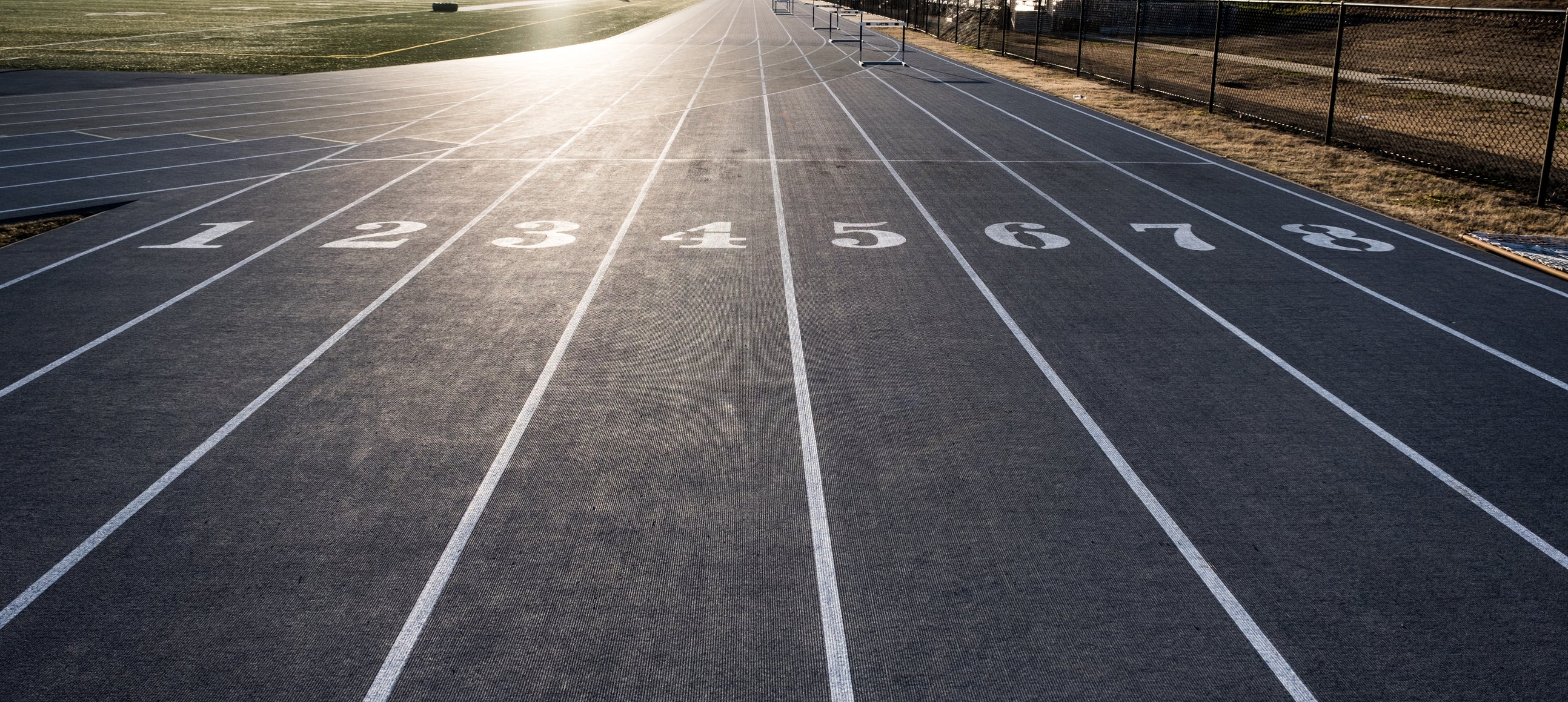
Track and field events began with the ancient Olympic Games in Greece, specifically in 776 BCE. These early competitions primarily featured running disciplines. The foundational rules guiding modern track and field were largely established in.

TL;DR

Track and field originated in ancient Greece in 776 BCE with the first Olympic Games. The sport evolved through centuries of European traditions before World Athletics standardised modern competition rules and event distances, such as the marathon, in 1921 to ensure global record validity.

Point Short answer Why it matters
Main answer See the summary above Keeps the response direct
Key caveat Check current details Avoids outdated assumptions
Next step Compare the practical options Helps readers act confidently

How Did Ancient Traditions Shape Modern Competition?

Ancient Greek competitions established the foundation of athletics through events like the stadium footrace and pentathlon. While these origins date back to 776 BCE, modern track and field as a regulated global sport was codified in the early twentieth century. In 1921, the International Amateur Athletic Federation formally adopted official world standards for measurements and distances to make global performances comparable.

The 1908 London Olympics proved a major turning point specifically for the marathon. The distance was extended to 26 miles and 385 yards so the start was visible from. For track and field, readers should use the answer as practical guidance, then check the latest rules, availability, or product details before acting. That keeps the decision grounded in the current situation rather than a generic answer that may miss timing, league, or format changes. If the question involves equipment, such as track and field jerseys, venues, schedules, or eligibility, confirm the details at the point of purchase or registration.

Track and field

Leave a comment

Related FAQs

View all

How to run cross country?

track and fieldCarl McCargo

Running cross country involves navigating natural terrain including grass, mud, and hills while maintaining a high aerobic pace over distances typically ranging from three to ten kilometres depending on the competition level. Success requires a blend of endurance training, specific technique for…

What is the javelin world record?

track and fieldCarl McCargo

The men's world record for the javelin throw is 98.48 metres, set by Jan Zelezny in 1996, while the women's world record is 72.28 metres, established by Barbora Spotakova in 2008. These marks represent the ultimate benchmarks of linear power and technical precision in modern athletics.

Why is it called cross country?

track and fieldCarl McCargo

The sport is called cross country because participants race across open terrain and natural landscapes rather than staying on a designated track or paved road. This naming convention reflects the requirement for athletes.

Who created track and field?

track and fieldCarl McCargo

The Ancient Greeks created track and field as part of the original Olympic Games in 776 BC, though modern competitive standards were later unified by the International Amateur Athletic Federation in 1921.

What does sr mean in track and field?

track and fieldCarl McCargo

In track and field, SR stands for Stadium Record, representing the fastest time or greatest distance ever achieved in a specific event at a particular stadium or venue. It serves as a historical benchmark for that specific location, distinct from national or world records.

What is sb in track and field?

track and fieldCarl McCargo

In track and field, **SB** stands for **Season Best**, representing the top legal performance or fastest time an athlete has achieved during the current competition year.