
Cross country running is an endurance sport where teams and individuals race over natural outdoor courses. Races occur on varied terrain including grass, dirt paths, and wooded trails. It tests runners' stamina and strategic pacing.

TL;DR

Cross country is a long-distance running discipline held on natural surfaces rather than tracks or roads. Races vary in distance but typically range from 2km to 12km, requiring runners to adapt to hills, mud, and uneven footing. It remains a foundational endurance sport that prioritises.

Feature Cross Country Track Athletics
Surface Type Grass, dirt, mud, and trails Synthetic rubber or clay

How Does Cross Country Differ From Track?

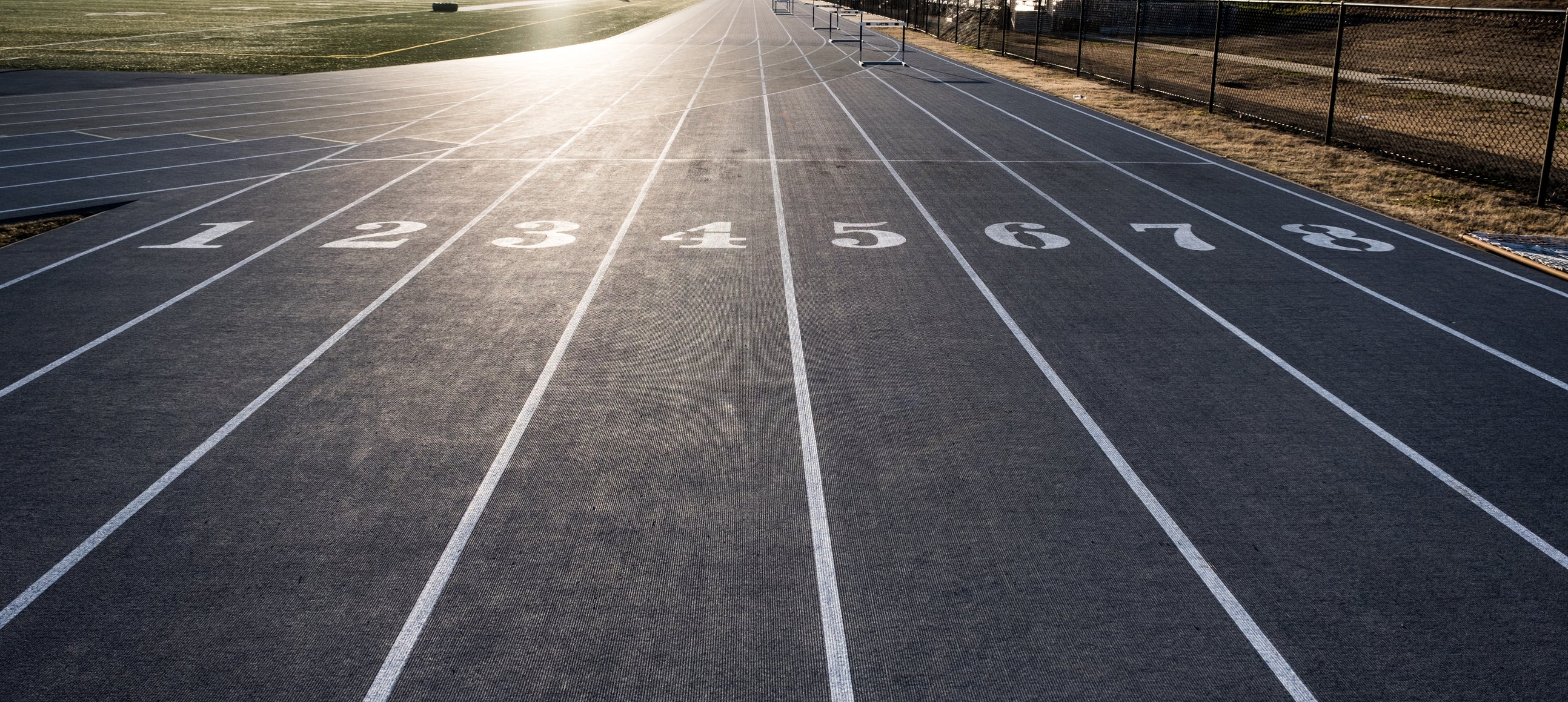
Cross country competitors race across unpredictable landscapes, whereas track athletes run on standardized, flat rubber surfaces. Because natural environments include elevation changes and varying weather conditions, finishing times are less comparable between different courses than they are on a standard 400m track.

Strategy plays a massive role in this discipline. Runners must decide when to push through narrow wooded. For track and field, readers should use the answer as practical guidance, then check the latest rules, availability, or product details before acting. Many participants choose specialized track field jerseys to remain comfortable during intense competition. That keeps the decision grounded in the current situation rather than a generic answer that may miss timing, league, or format changes. If the question involves equipment, venues, schedules, or eligibility, confirm the details at the point of purchase or registration.

Track and field

Leave a comment

Related FAQs

View all

How to run cross country?

track and fieldCarl McCargo

Running cross country involves navigating natural terrain including grass, mud, and hills while maintaining a high aerobic pace over distances typically ranging from three to ten kilometres depending on the competition level. Success requires a blend of endurance training, specific technique for…

What is the javelin world record?

track and fieldCarl McCargo

The men's world record for the javelin throw is 98.48 metres, set by Jan Zelezny in 1996, while the women's world record is 72.28 metres, established by Barbora Spotakova in 2008. These marks represent the ultimate benchmarks of linear power and technical precision in modern athletics.

Why is it called cross country?

track and fieldCarl McCargo

The sport is called cross country because participants race across open terrain and natural landscapes rather than staying on a designated track or paved road. This naming convention reflects the requirement for athletes.

Who created track and field?

track and fieldCarl McCargo

The Ancient Greeks created track and field as part of the original Olympic Games in 776 BC, though modern competitive standards were later unified by the International Amateur Athletic Federation in 1921.

What does sr mean in track and field?

track and fieldCarl McCargo

In track and field, SR stands for Stadium Record, representing the fastest time or greatest distance ever achieved in a specific event at a particular stadium or venue. It serves as a historical benchmark for that specific location, distinct from national or world records.

What is sb in track and field?

track and fieldCarl McCargo

In track and field, **SB** stands for **Season Best**, representing the top legal performance or fastest time an athlete has achieved during the current competition year.