
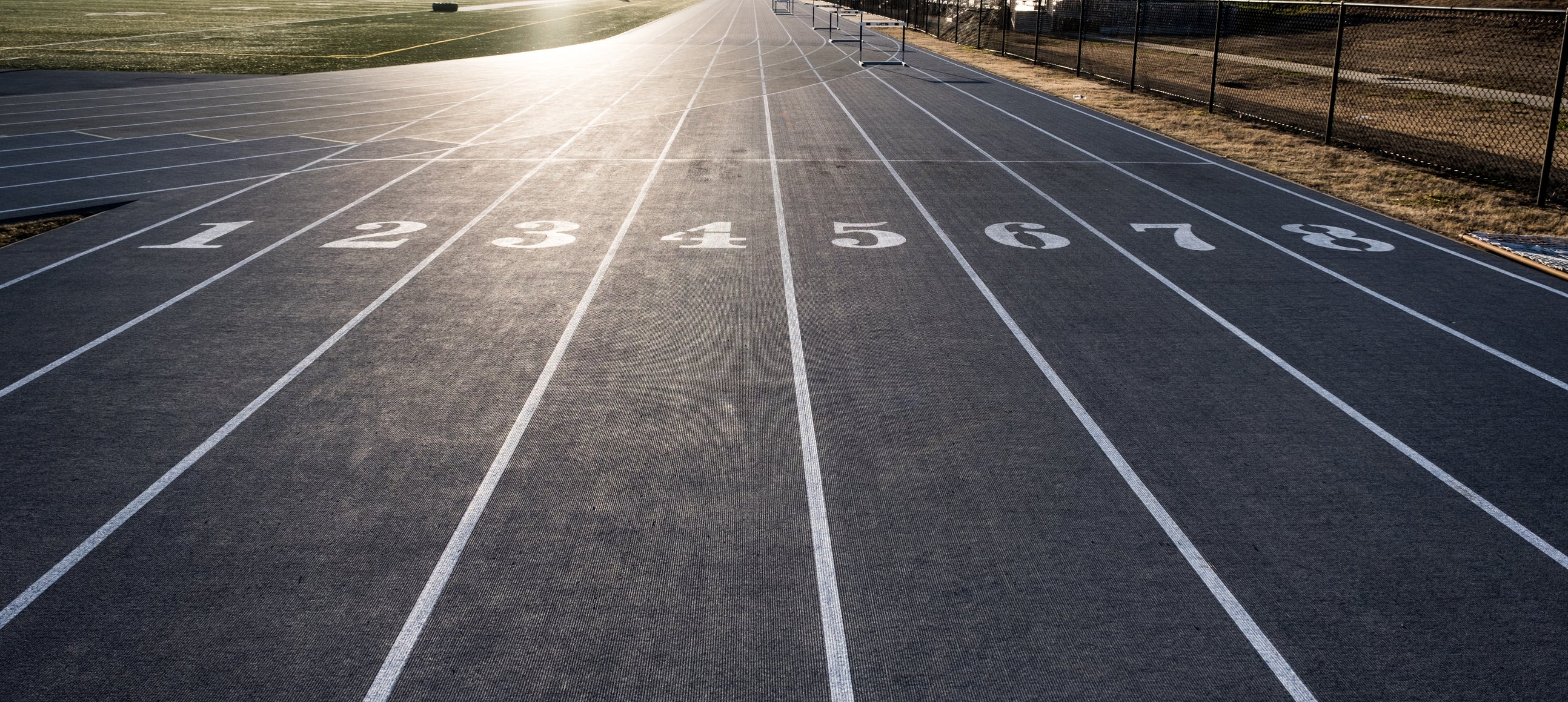
Track and field events at the Olympic Games typically commence after the opening ceremony, spanning multiple days. Competition often runs for ten days. Athletes compete across various disciplines. These include sprints, long-distance races, jumps, and throws.
💡 Stuck on a team name? Try our free Team Name Generator →
TL;DR
Track and field events at the Olympics usually commence shortly after the opening ceremonies, often within the first week, and continue through the remainder of the Games. Historically rooted in ancient Greek contests from 776 BC, these athletics feature a comprehensive schedule, starting with qualification rounds and culminating in medal events during the second week across sprints, middle-distance races, long-distance events, hurdles, relays, jumps, and throws. Key governing bodies like World Athletics oversee regulations and event scheduling.
When Do Olympic Track and Field Events Start?
Olympic track and field events generally start towards the beginning of the Games, often in the first week. These initial days feature preliminary heats and qualification rounds.
- The schedule builds steadily, with more final events occurring in the second half of the Olympics.
- Running, jumping, and throwing disciplines are staggered to allow athletes to potentially compete in multiple events.
- Governing bodies like World Athletics establish strict regulations and schedules for all Olympic track and field competitions.
What Is the Structure of Olympic Track and Field Competition?
The Olympic track and field competition is structured over approximately 10 days, commencing with qualification rounds and progressing to medal events. This allows athletes to showcase their versatility.
- Events are carefully scheduled to minimize conflicts for multi-talented athletes.
- The early days focus on heats and preliminary rounds across all disciplines.
- Medal finals are typically concentrated in the latter half of the track and field programme.
How to Choose the Right Track and Field Events to Watch
To choose which track and field events to watch, consider your preference for speed, endurance, technical skill, or combined athletic prowess. Each event offers a distinct spectacle.
- Decide if you prefer short, explosive races like the 100m dash or longer, strategic endurance events.
- Evaluate your interest in field events, such as the high jump showcasing aerial dynamics or the javelin throw demanding explosive power.
- Look for events like the decathlon or heptathlon if you enjoy multi-skilled athletes competing over several disciplines.
- Check the schedule for "finals" to ensure you are watching medal-deciding competitions.
