
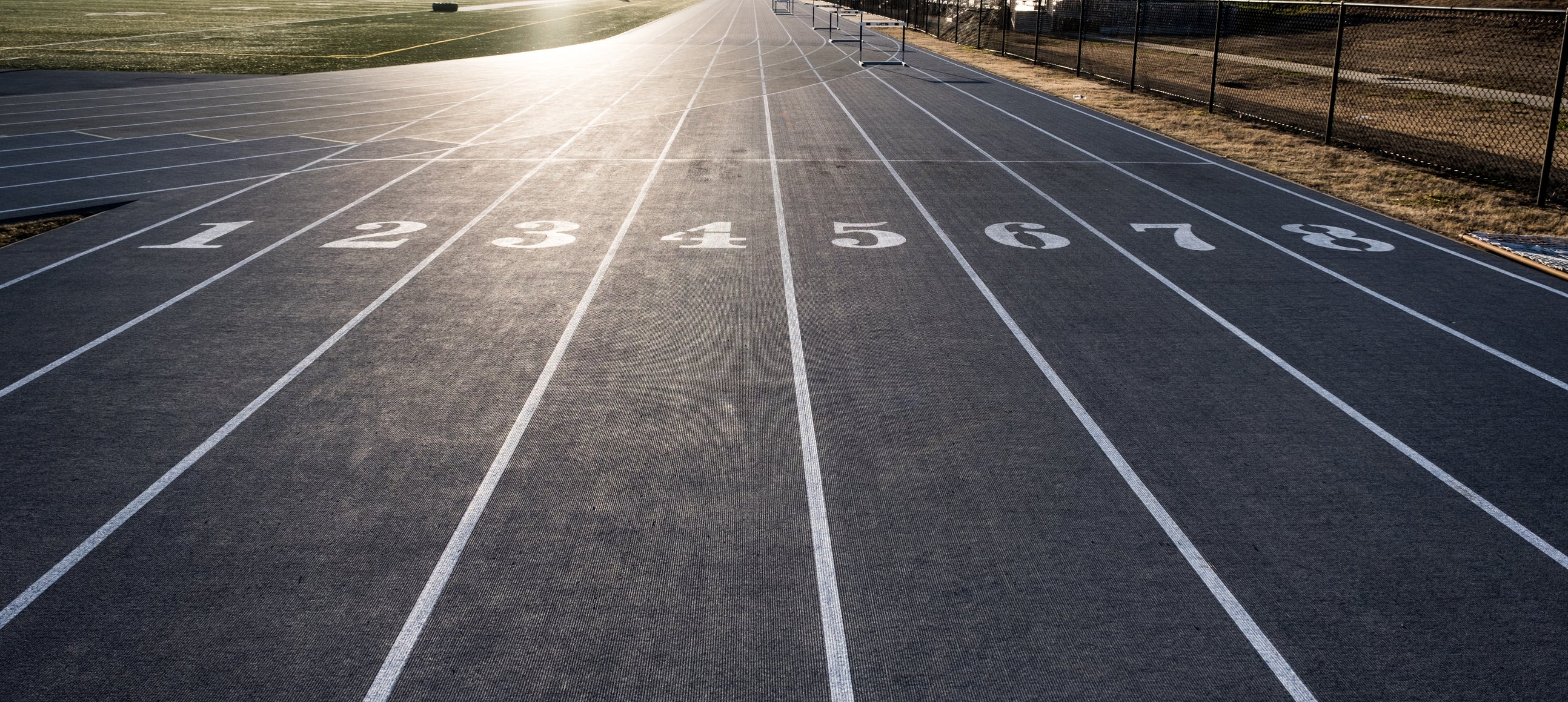
Playing track and field involves training in specific disciplines like sprints, distance running, jumps, or throws. Participants develop specialized skills and compete in events structured around these athletic movements.
💡 Stuck on a team name? Try our free Team Name Generator →
TL;DR
Track and field is a foundational sport encompassing diverse athletic events. Athletes compete in footraces, jumps, and throws, guided by strict rules from governing bodies such as World Athletics and the National Federation of State High School Associations (NFHS). Successful participation often requires specialized equipment like correctly sized track spikes, which are regulated for safety and performance, alongside dedicated training focusing on technique, diet, and endurance.
What Are the Main Types of Track and Field Events?
The main types of track and field events are broadly categorized into track disciplines (running races) and field disciplines (jumping and throwing events). These categories test different athletic skills.
- Track events include sprints, middle-distance, long-distance, and hurdles, demanding speed and endurance. * Field events feature jumps like long jump, high jump, pole vault, and triple jump, emphasizing explosive power and technique. * Throwing events such as shot put, discus, javelin, and hammer throw require strength and precise kinetic energy transfer.
How Do Track Spikes Impact Performance?
Track spikes significantly improve an athlete's performance by enhancing traction and reducing energy loss during foot strike on synthetic surfaces. These specialized shoes are lightweight, featuring rigid spike plates and metal pins for superior grip.
- Spikes are engineered for a snug fit, often requiring athletes to size down by a half-size for optimal tactile feedback. * Scholastic bodies like the Minnesota State High School League (MSHSL) strictly regulate spike pin length, typically for outdoor use. * Pyramid spikes are commonly used as they compress the track surface elastically, returning energy to the runner, unlike prohibited needle or Christmas tree spikes.
How to Choose the Right Equipment for Track and Field?
Selecting the correct track and field equipment involves considering the specific event, body mechanics, and adherence to governing body regulations.
- Match shoe type to event: sprint spikes for short distances, middle-distance spikes for middle runs, and field event specific shoes.
- Ensure proper fit for track spikes, usually a half-size smaller than regular shoes, to maximize performance and prevent blisters.
- Verify that spike pin lengths comply with competition rules, as outdoor and indoor limits differ.
- For throwing events like javelin, confirm implement weight and type meet scholastic or international standards.
- Choose lightweight singlets and shorts for running events to minimize chafing and allow full range of motion.
