
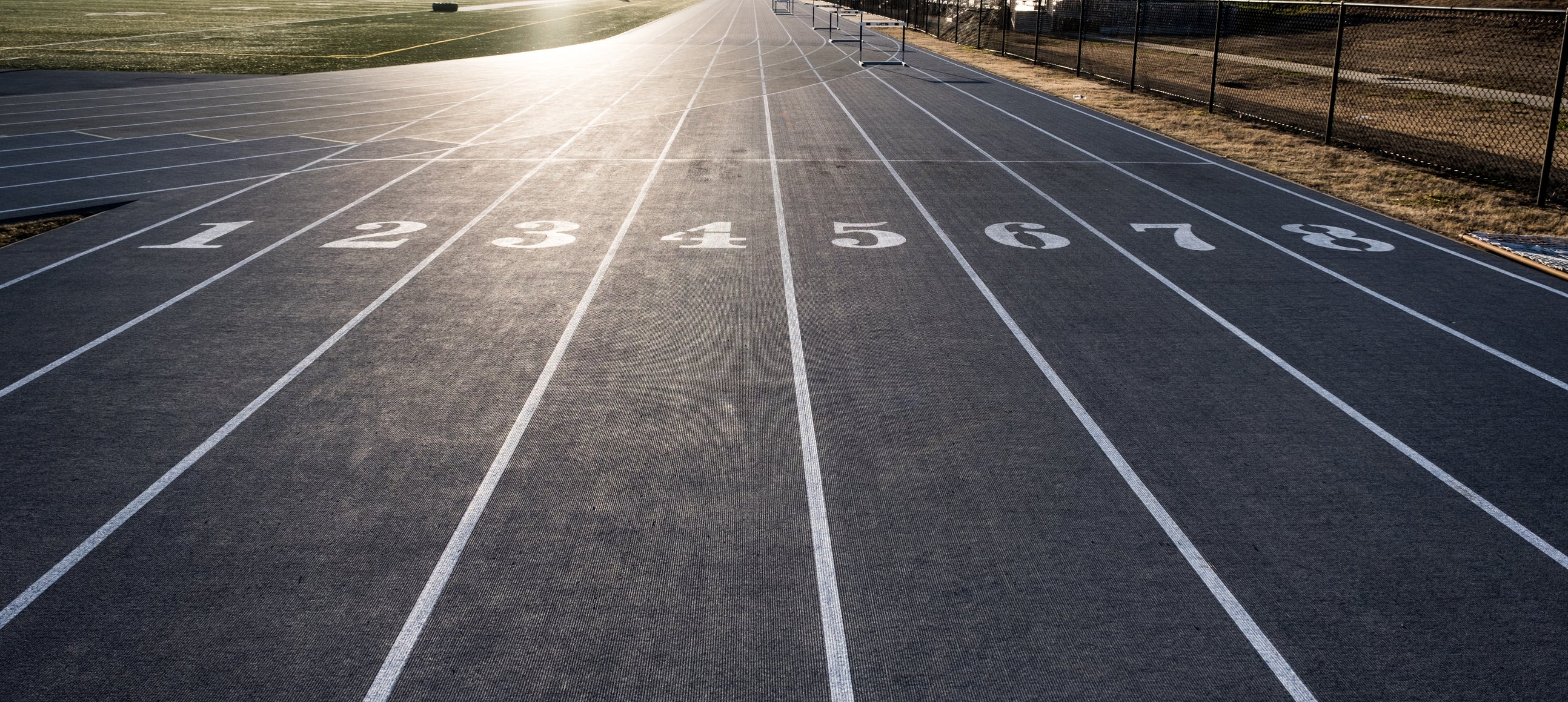
Middle school track and field introduces students to fundamental athletic events. It commonly features running, jumping, and throwing disciplines. Participants develop basic skills in a supportive, age-appropriate setting. This program emphasizes participation and skill building.
💡 Stuck on a team name? Try our free Team Name Generator →
TL;DR
Middle school track and field offers an accessible entry point to athletic competition, focusing on developing basic skills across various disciplines like sprinting, hurdling, long jump, and shot put. It is a spring sport where athletes learn foundational event mechanics in a less intensely competitive environment than high school programs.
What Events Are Included in Middle School Track and Field?
Middle school track and field programmes typically introduce young athletes to various fundamental disciplines to build a broad athletic base. These events often include both track and field components, covering a range of physical skills.
- Running events might feature shorter sprint distances and middle-distance races.
- Jumping events usually involve the long jump and high jump, focusing on form.
- Throwing events often include shot put, with some states also offering discus or javelin.
What Equipment Do Middle School Athletes Need?
Middle school track and field athletes generally require specific equipment to enhance performance and ensure safety, though the extent of specialization is less than in higher levels. Essential gear typically includes running shoes and competition attire.
- Track spikes are highly specialised lightweight shoes, often requiring athletes to size down by a half-size for a snug fit.
- Spike plates on these shoes hold metal pins, which provide traction; indoor events often restrict pins to a 1/8 inch limit.
- Athletes might also use ultra-thin socks or go barefoot in spikes to maximise tactile feedback from the track surface.
How Does Middle School Track and Field Differ from High School?
Middle school track and field programmes generally have a more introductory and developmental focus compared to the heightened competitive structure found in high school. The emphasis shifts from skill acquisition to performance specialization as athletes age.
- Middle school races, such as cross-country, are typically 2 miles, while high school distances are standardised at 5 kilometres.
- High school track and field adheres to rigid rulebooks compiled by the National Federation of State High School Associations (NFHS).
- Middle school sports prioritize basic biomechanical movements, whereas high school involves more specialized coaching and league meets.
How to Choose the Right Track and Field Programme for Your Child?
Selecting an appropriate middle school track and field programme involves assessing several factors to ensure a positive and developmental experience. Consider the programme's specific events, coaching philosophy, and competitive structure.
- Look for programmes that emphasize skill development over winning.
