
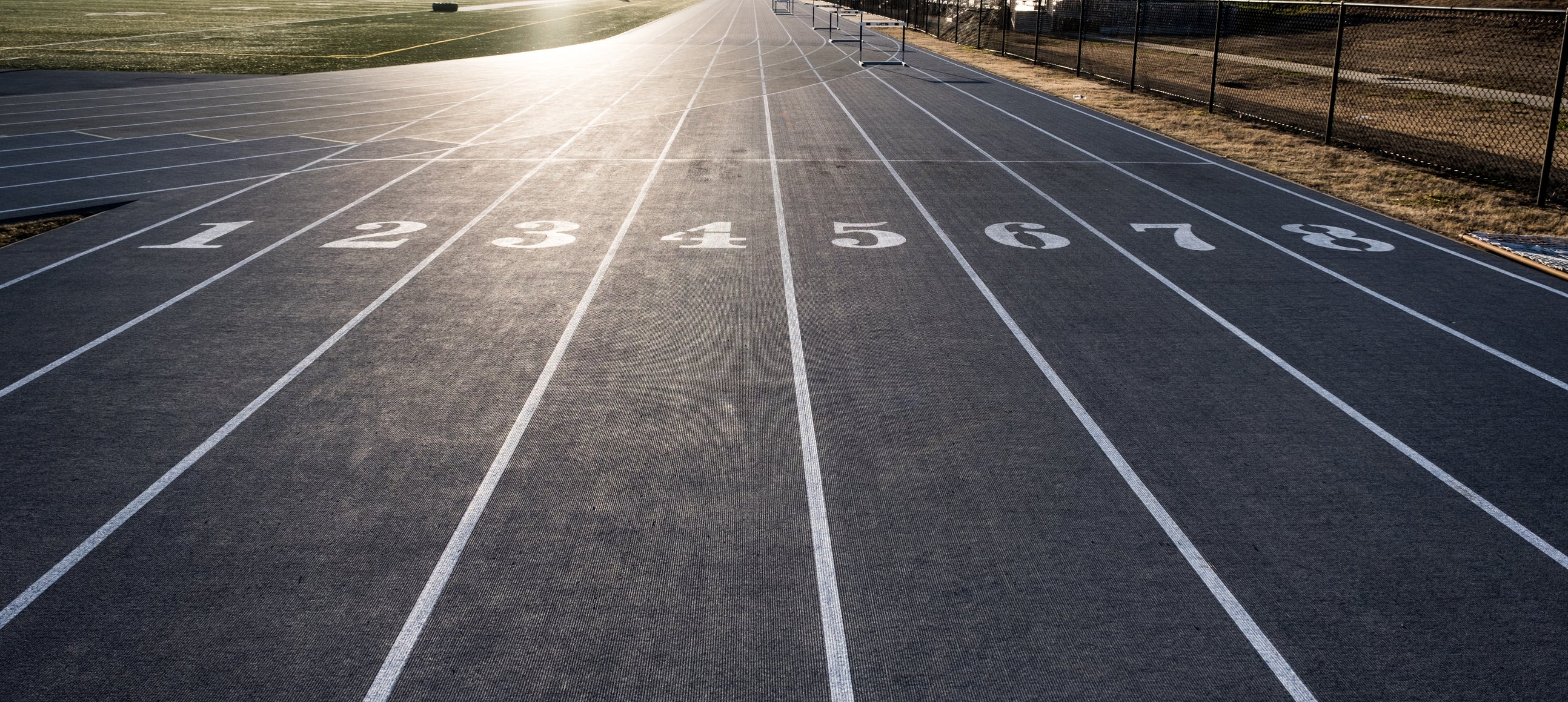
High school cross country courses are standardized at 5 kilometers, or approximately 3.1 miles. This distance offers a consistent measure for athletic competition. Races typically run from late summer through late autumn.

💡 Stuck on a team name? Try our free Team Name Generator →

TL;DR

High school cross country courses are precisely 5 kilometres long, offering a significant endurance test over natural landscapes like dirt paths and grassy fields. This distance is consistent across the United States. It forms a crucial part of the high school athletic calendar, contrasting with shorter middle school races and longer collegiate events.

Competition Level Typical Course Length Equivalent in Miles
Middle School 3 kilometres 1.86 miles
High School 5 kilometres 3.1 miles
Collegiate Men 8 or 10 kilometres 4.97 or 6.2 miles
Collegiate Women 6 kilometres 3.73 miles

What is the standard length of a high school cross country course?

High school cross country courses are uniformly 5 kilometres (3.1 miles) in length, providing a consistent challenge for student-athletes. This specific distance ensures fairness and comparability across different competitions and venues. The course terrain typically involves a mix of dirt, grass, gravel, and sometimes mud, simulating the natural-terrain origins of the sport.

  • The standard distance helps in comparing athlete performance across various meets.
  • Races are held over diverse natural environments, not on a track.
  • The season usually spans from August through November.

How do cross country courses compare to track races?

Cross country courses differ significantly from track races by taking place on natural, uneven terrain rather than a smooth, all-weather track. While track events focus on speed and repetitive laps on a flat surface, cross country emphasises endurance, strategic pacing, and adapting to changing ground conditions.

Track races are typically shorter, measured in metres, and held on a consistent oval.

  • Cross country uses natural surfaces like grass, dirt, and trails.
  • Track races are on synthetic, measured ovals.
  • Footwear for cross country often features more aggressive tread for grip.

How to Choose the Right Uniform for Cross Country

Selecting appropriate cross country gear involves considering fabric, fit, and design for optimal performance. Focus on materials that manage moisture effectively and support a full range of motion.

  • Opt for lightweight, moisture-wicking fabrics to stay dry.
  • Choose singlets and shorts with an athletic cut to prevent chafing.
  • Consider uniform durability for repeated use over rugged terrain.
  • Ensure the uniform meets league regulations for colour and logos.
🏁 MASTER THE CROSS COUNTRY COURSE!
Know the exact distance your athlete will run! Equip your team with high-quality, personalized gear designed for peak performance. Design your own uniforms today.
SHOP TEAM UNIFORMS →
Personalized Designs · Durable Fabrics · Fast Shipping

Our Expert

Nic Reese
NR

Nic Reese

Our Sport Expert

Nic Reese is a sports expert and lifelong enthusiast with a deep focus on bowling and competitive team sports. He brings practical insight, real-world experience, and a genuine passion for the game into every piece of content. Nick is driven by a love of sports culture, performance, and helping players and teams perform at their best.

Track and field

Leave a comment

Related FAQs

View all

How to clean white track spikes?

track and fieldTrackBarn

To clean white track spikes, first remove the laces and insoles, then scrub visible dirt with a soft brush and a mild soap-and-water solution, avoiding harsh chemicals. For stubborn stains, a diluted bleach solution (1:10 ratio) can be applied carefully.

Which one is not a track and field event?

track and fieldTrackBarn

Cross-country running is not a track and field event because it takes place on natural terrain like dirt and grass, rather than on a synthetic track surface with defined lanes.

What are the best track spikes for hurdles?

track and fieldTrackBarn

The best track spikes for hurdles feature a stiff spike plate, a low-profile design for stability, and multiple short pyramid pins between 0.25 and 0.375 inches for optimal grip without impeding stride mechanics. This allows for quick, powerful transitions over barriers.

What does nm mean in track and field?

track and fieldTrackBarn

In track and field, "NM" signifies "No Mark," indicating an athlete did not record a valid measurement in a field event.

What is pole vault in track and field?

track and fieldTrackBarn

Pole vault is a track and field event where athletes use a long, flexible pole to clear a horizontal bar placed at significant heights. Competitors are scored on the maximum height achieved, following a precise sequence of events for a valid attempt.

What is ea javelin anticheat?

track and fieldTrackBarn

EA Javelin Anti-Cheat refers to specific regulations governing the javelin event, particularly the mandated use of rubber-tipped javelins across eight US states for high school competitions due to significant safety concerns. This measure aims to minimize serious injuries.