
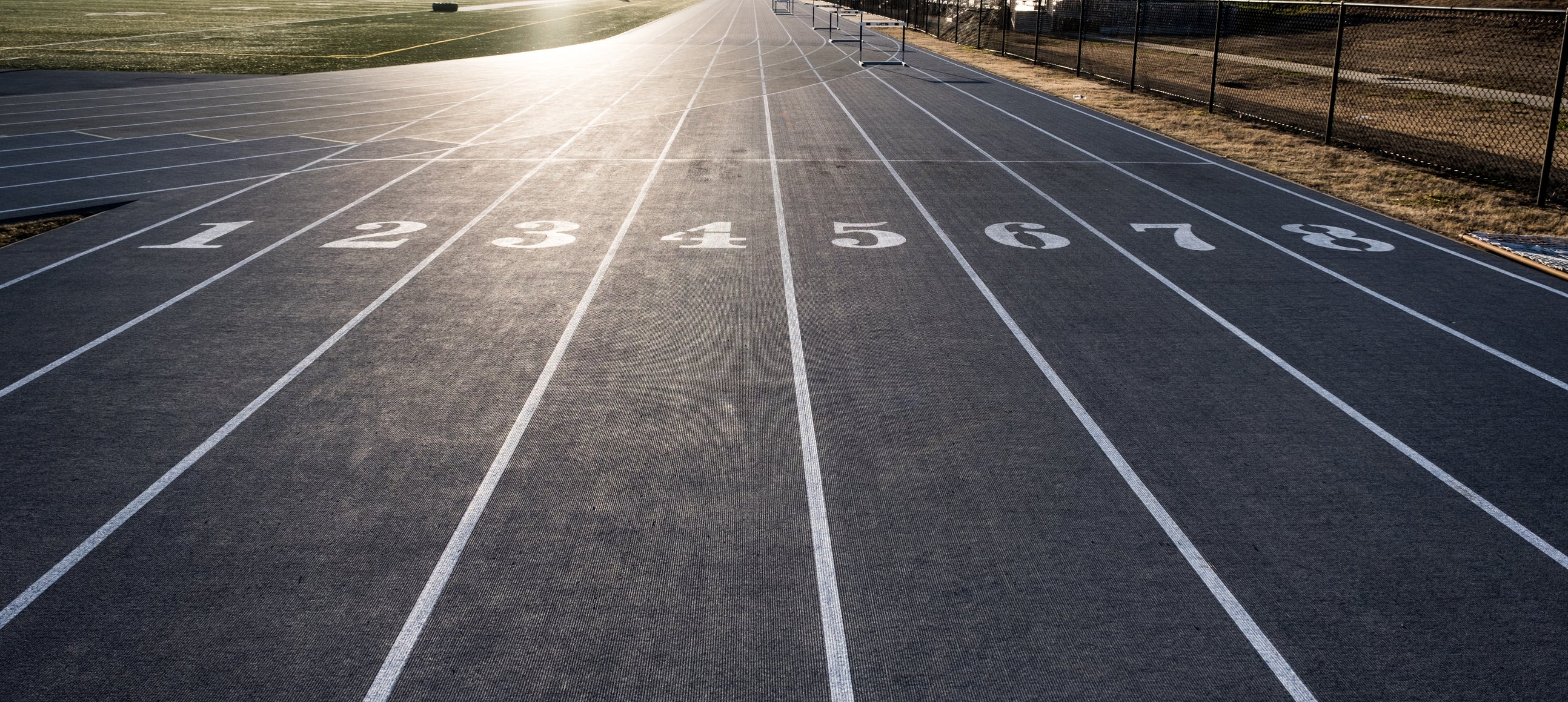
Track shoes feature spikes to enhance grip and improve traction on various athletic surfaces. This design prevents slippage. It allows athletes to transfer maximum force into forward motion during races.
TL;DR
Track shoes feature metal or ceramic spikes on the outsole to provide maximum traction and prevent slipping on modern all-weather tracks. By biting into the rubberized surface, these spikes enable efficient force application, which is essential for rapid acceleration and maintaining high velocities. This specialised footwear is a fundamental tool for improving athletic performance and safety across various running and.
Why is traction essential for track and field?
Traction is the primary reason track shoes have spikes because it allows athletes to apply maximum horizontal force against the ground without the risk of slipping. Without this mechanical grip, a runner's foot might slide during the high-pressure push-off phase, wasting precious energy and decreasing speed.
The relationship between the shoe and the track surface is a matter of biomechanical efficiency. When an athlete sprints or jumps, they generate immense power that must be transferred directly into the ground to propel the body forward or upward. Spiking the outsole ensures that this force is not dissipated through friction-related slippage.
How do spikes improve jumping and sprinting mechanics?
Spikes improve mechanics by stabilizing the foot during the complex movements required for events like the high jump, long jump, and hurdles. In the high jump, for example, the "Fosbury Flop" technique requires a curved approach where lateral stability is vital to prevent the ankle from rolling or the foot from sliding.
In sprinting, the spikes are positioned under the forefoot to encourage a "toe-running" posture, which is the most efficient way to accelerate. This design ensures that even during the "bell lap" of a long-distance track event, the athlete can maintain form and initiate a final kick with confidence in their footing.
How to find the right track spike for your discipline
Choosing the correct footwear depends on your specific event and the level of support your feet require during competition.
- Determine your primary event to select the correct pin configuration and plate stiffness.
Final Thoughts
Spikes are a vital component of an athlete's kit, providing the necessary grip to turn raw power into record-breaking speed.
References:
World Athletics Technical Rules The History of the Marathon Rules of the Decathlon