
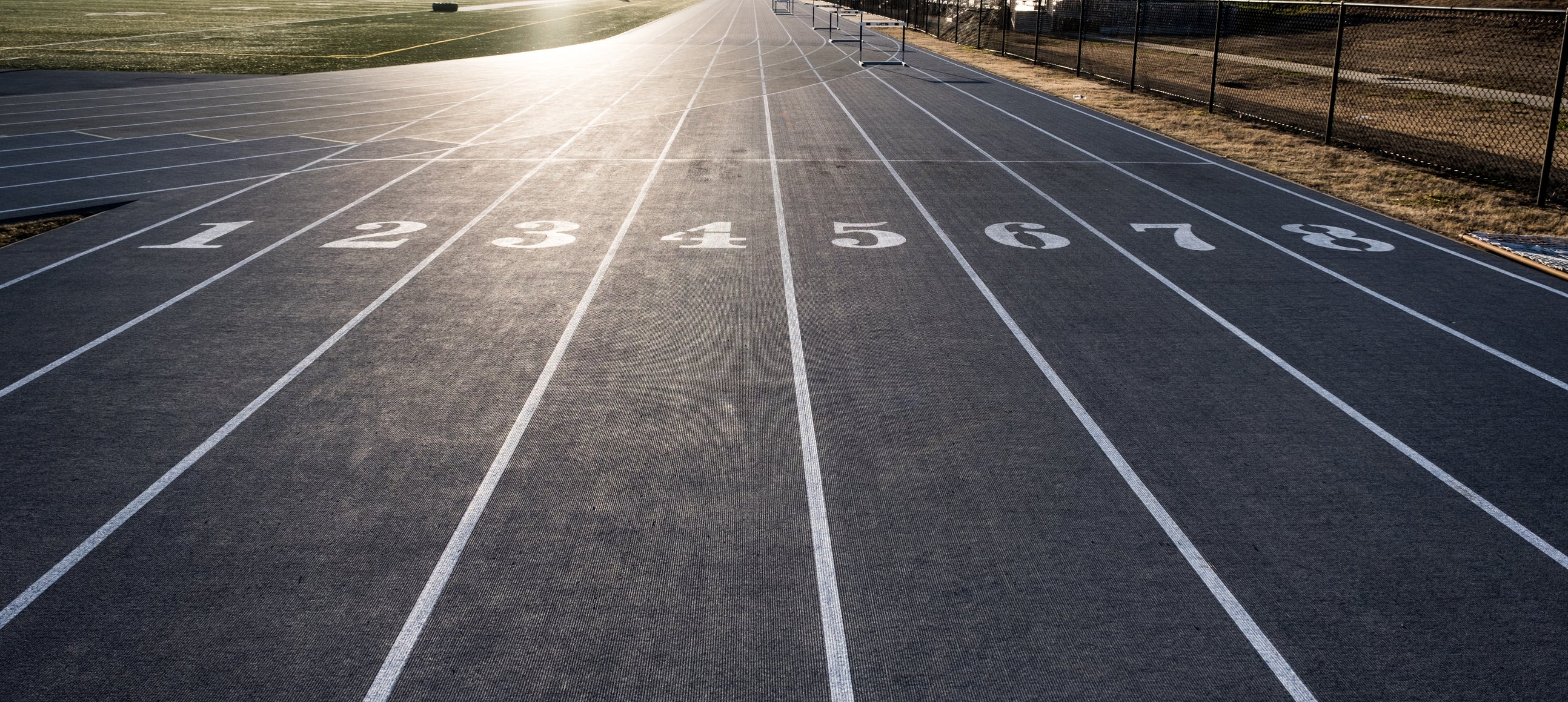
Students from Shrewsbury School in England invented cross country running in 1819. They adapted elements of steeplechase and fox hunting into a footrace. This early form emphasized natural terrain.

💡 Stuck on a team name? Try our free Team Name Generator →

TL;DR

Cross-country running began in England when Dr. Butler of Shrewsbury School prohibited horse-riding fox hunting, prompting students to create a pedestrian version in 1819.

Era Key Development Primary Location Format Evolution
Early 19th Century First pedestrian "harrier" events Shrewsbury School, UK Informal chase game, paper trails
Mid-19th Century Establishment of regular competitive runs Rugby School, UK "Crick Run" becomes a structured annual event
Late 19th Century Formation of formal clubs and rules Thames Hare and Hounds Organised races, standardisation of routes
Early 20th Century International competitions begin Europe, USA National championships, varied distances

This involved "hares" scattering paper for "hounds" to chase, quickly spreading to other schools like Rugby, which established the "Crick Run" in 1837, eventually leading to structured competitive sport with clubs like the Thames Hare and Hounds formed in 1869. The sport then evolved into modern competitive cross-country events contested over natural terrain.

What Are the Historical Origins of Cross-Country Running?

Cross-country running originated in early 19th-century England through an adaptation of traditional equestrian pursuits. Students at Shrewsbury School, after their headmaster Dr. Butler disallowed a fox-hunting club in 1819, devised a version where runners simulated the hunt on foot.

  • Students acting as "hares" would scatter shredded paper to establish a scent trail.
  • Other students, known as "hounds" or "harriers," would chase these trails across natural terrain.
  • The game spread to other institutions, notably Rugby School establishing its "Crick Run" in 1837.

How Do Modern Cross-Country Events Operate?

Modern cross-country events challenge athletes across natural surfaces like dirt, grass, gravel, and mud, featuring unique scoring systems rather than just fastest finish times. These competitions span different distances depending on the age and competition level of the participants. For track field bags backpacks, visit ProPlayerTeam.

  • High school courses are standardized at 5 kilometres (3.1 miles), with seasons running from late summer to late autumn.
  • Middle school races are typically shorter, spanning up to 3 kilometres (1.9 miles).
  • Collegiate competition expands to 8 or 10 kilometres for men and 6 kilometres for women.

How to Choose the Right Treatment for You

Selecting the correct approach for cross-country running involves considering several personal and environmental factors. Your choice should align with your fitness level and competitive goals. For track field jerseys, visit ProPlayerTeam.

  • Evaluate typical course terrain: Is it mostly grass, mud, or hills?
  • Consider the season: Will you run in wet, dry, cold, or warm conditions?
  • Assess your personal experience: Are you a beginner or an experienced runner?
  • Determine your training goals: Are you aiming for endurance, speed, or both?
🥇 UNLEASH YOUR FASTEST SELF!
Don't let generic apparel hold you back. Experience superior fit and style with our custom-made track and field uniforms built for peak athlete performance.
SHOP CUSTOM GEAR →
Elite Performance · Custom Fit · Unique Style

Our Expert

Nic Reese
NR

Nic Reese

Our Sport Expert

Nic Reese is a sports expert and lifelong enthusiast with a deep focus on bowling and competitive team sports. He brings practical insight, real-world experience, and a genuine passion for the game into every piece of content. Nick is driven by a love of sports culture, performance, and helping players and teams perform at their best.

Track and field

Leave a comment

Related FAQs

View all

How to clean white track spikes?

track and fieldTrackBarn

To clean white track spikes, first remove the laces and insoles, then scrub visible dirt with a soft brush and a mild soap-and-water solution, avoiding harsh chemicals. For stubborn stains, a diluted bleach solution (1:10 ratio) can be applied carefully.

Which one is not a track and field event?

track and fieldTrackBarn

Cross-country running is not a track and field event because it takes place on natural terrain like dirt and grass, rather than on a synthetic track surface with defined lanes.

What are the best track spikes for hurdles?

track and fieldTrackBarn

The best track spikes for hurdles feature a stiff spike plate, a low-profile design for stability, and multiple short pyramid pins between 0.25 and 0.375 inches for optimal grip without impeding stride mechanics. This allows for quick, powerful transitions over barriers.

What does nm mean in track and field?

track and fieldTrackBarn

In track and field, "NM" signifies "No Mark," indicating an athlete did not record a valid measurement in a field event.

What is pole vault in track and field?

track and fieldTrackBarn

Pole vault is a track and field event where athletes use a long, flexible pole to clear a horizontal bar placed at significant heights. Competitors are scored on the maximum height achieved, following a precise sequence of events for a valid attempt.

What is ea javelin anticheat?

track and fieldTrackBarn

EA Javelin Anti-Cheat refers to specific regulations governing the javelin event, particularly the mandated use of rubber-tipped javelins across eight US states for high school competitions due to significant safety concerns. This measure aims to minimize serious injuries.