
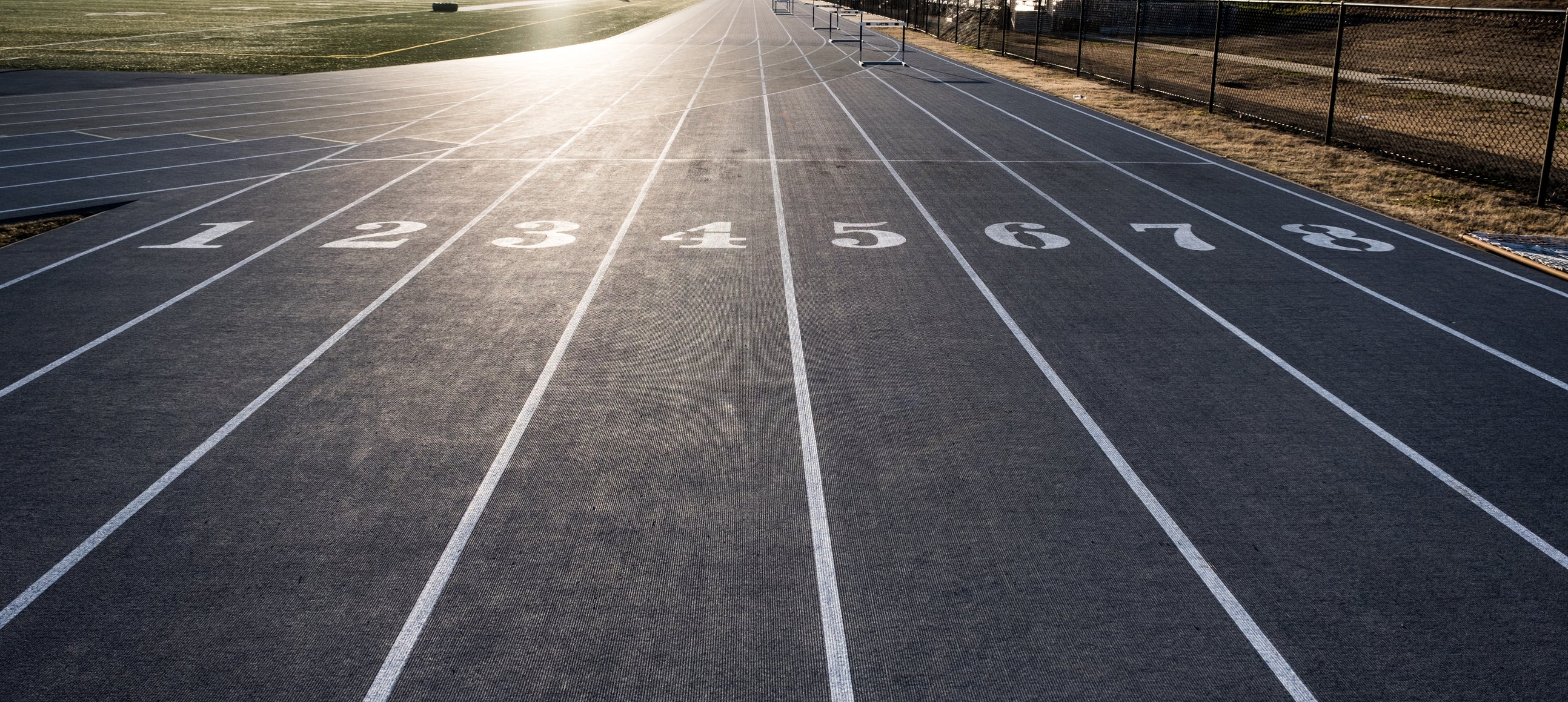
The Ancient Greeks created track and field about 3,000 years ago as part of the Olympic Games. These initial competitions featured footraces, discus, and javelin. Modern track and field developed from these ancient traditions.
TL;DR
Track and field originated in Ancient Greece with the first recorded Olympic Games in 776 BC, featuring the "stade" footrace. While the Greeks established the foundation, the British influenced modern distances, like the 26.2-mile marathon in 1908. In 1921, the International Amateur Athletic Federation (now World Athletics) officially standardised global rules, record-keeping, and competition formats used by athletes today.
Who Were the Original Creators of Athletics?
The Ancient Greeks established track and field as a formal series of athletic contests designed to test physical prowess and preparation for combat. These early competitions focused on core human movements including running, jumping, and throwing, which remains the central philosophy of the sport today.
The first documented Olympic festival in 776 BC consisted of a single running event called the stade. Over subsequent centuries, the Greeks expanded the programme to include the pentathlon, which combined a sprint, long jump, discus throw, javelin throw, and wrestling. While these events served as religious and cultural celebrations, they laid the technical groundwork for the modern decathlon and other multi-discipline formats.
How Did Modern Standards Evolve?
Modern track and field standards emerged through a combination of early 20th-century logistical decisions and the formalisation of international governing bodies. While the Greeks invented the sport, 20th-century officials defined the exact measurements, such as the 42.195-kilometre marathon distance.
The 1908 London Olympics proved to be a pivotal moment for technical evolution. To accommodate the British Royal Family, the marathon course was extended by 385 yards so the start was visible from the Windsor Castle nursery. This specific distance was later adopted as the global metric by the International Amateur Athletic Federation in 1921 to ensure performances were comparable across different continents. Standardisation now allows for precise world record ratification based on topographical requirements and calibrated measurement tools like the Jones Counter.
How to Choose the Right Athletics Discipline for You
Selecting the correct event involves assessing your natural physical attributes against the technical demands of each discipline. Consider these factors when deciding which area of track and field to pursue:
- Determine if you possess explosive fast-twitch muscle fibres for.
Final Thoughts
The journey from Ancient Greek footraces into a technologically advanced global sport shows human excellence. Equip your team for success with high-quality track and field.
References:
World Athletics History Olympic Games Origins Marathon Distance Standards