
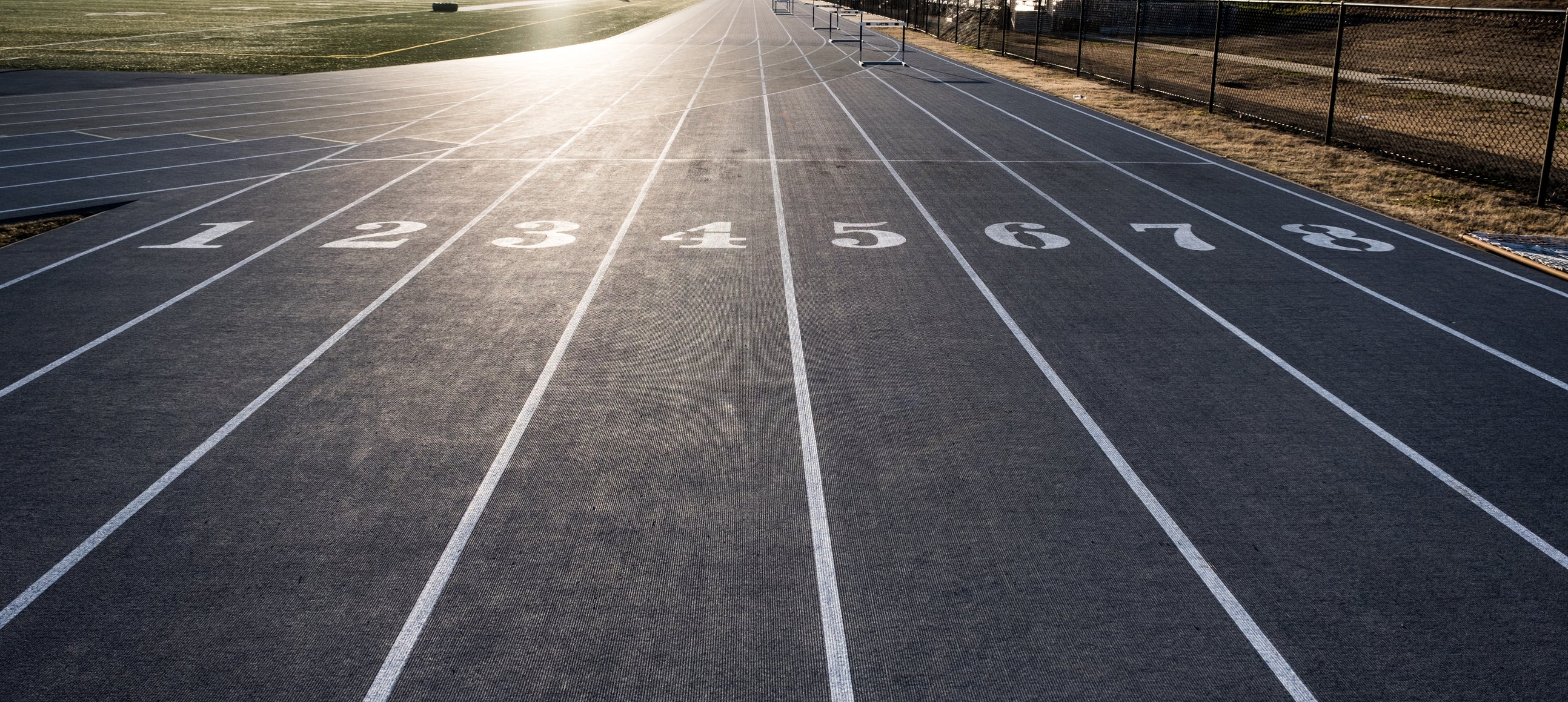
The NCAA Division I Outdoor Track and Field Championships typically take place in early June. This multi-day event concludes the collegiate outdoor season. Athletes compete for individual and team national titles.
💡 Stuck on a team name? Try our free Team Name Generator →
TL;DR
The NCAA Division I Track and Field Championships are held annually in early June, usually spanning four days. Athletes qualify through regional preliminary rounds, culminating in a national competition where individual and team titles are awarded based on points accumulated across numerous running, jumping, and throwing events.
The event showcases elite collegiate talent, with many competitors going on to professional careers in track and field.
What Are the Key Dates for the NCAA Track and Field Championships?
The primary dates for the NCAA Track and Field Championships fall in early June each year, marking the culmination of the outdoor collegiate season. The competition generally runs over four days, with specific events scheduled for different sessions to allow athletes to compete in multiple disciplines if they qualify.
These championships typically follow several weeks of conference meets and regional qualifying rounds.
- The championships are consistently scheduled for the first full week of June.
- Regional qualifying meets precede the national event, usually in late May.
- Specific dates and host cities are announced well in advance by the NCAA.
How Do Athletes Qualify for the Championships?
Athletes qualify for the NCAA Track and Field Championships through a rigorous system that starts with achieving specific performance standards throughout the outdoor season. Following conference championships, athletes must compete in regional preliminary rounds, where only the top performers advance to the national stage.
This ensures that only the fastest, strongest, and most skilled collegiate athletes reach the finals.
- Competitors must achieve a qualifying mark during the outdoor season.
- They then participate in one of two regional preliminary competitions.
- The top 12 athletes or relays from each regional site move on to the national championships.
How to Choose the Right Track and Field Uniforms
The right custom track and field uniforms enhance performance and team cohesion, and selecting them involves considering material, fit, and design. Focus on breathable, moisture-wicking fabrics that allow for a full range of motion.
- Prioritise lightweight, moisture-wicking fabrics for comfort.
- Ensure a snug, athletic fit that does not restrict movement.
- Select designs that meet NCAA regulations for logos and modesty.
- Consider durability for repeated washing and wear through the season.
- Work with a provider offering customisation options for team identity.
