
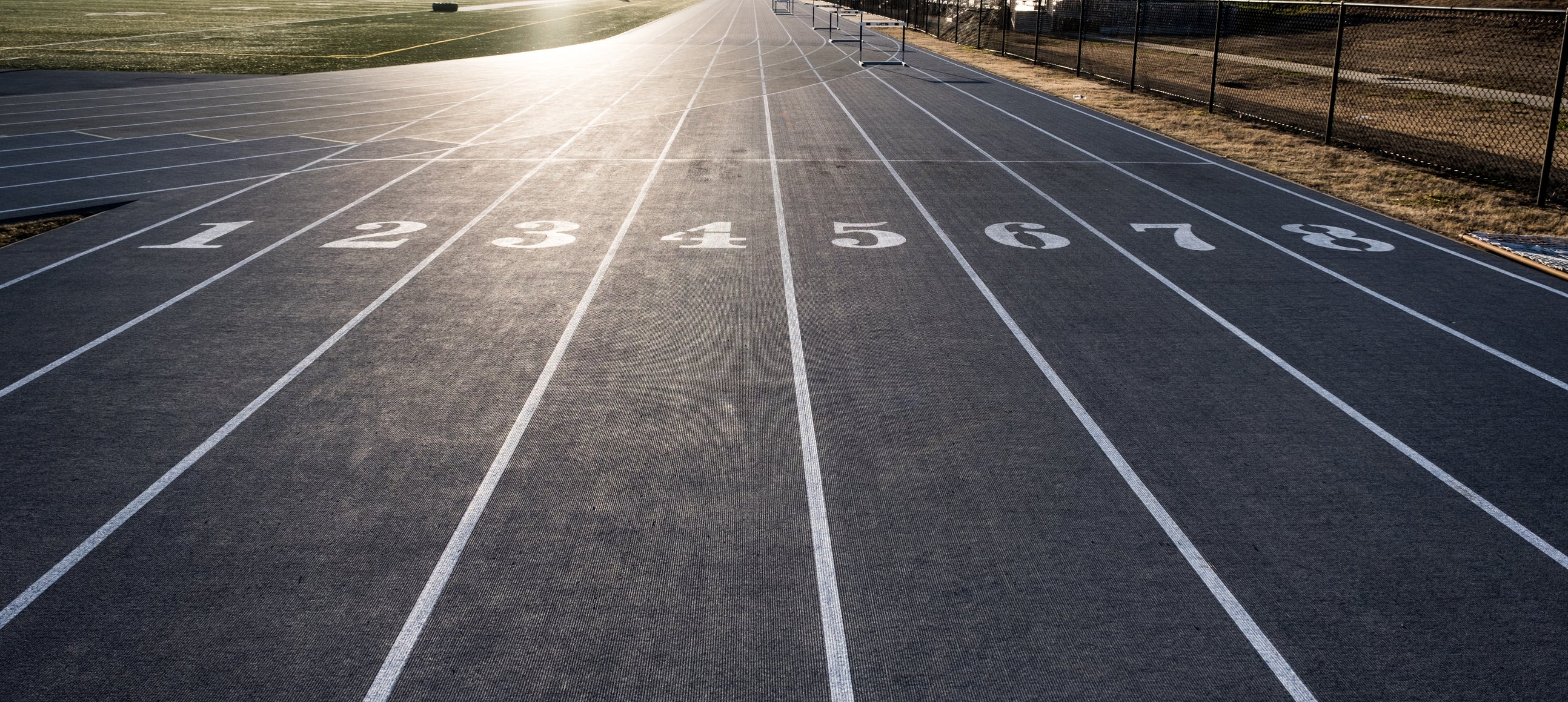
Cross country season typically concludes in late fall. This occurs after an approximately two-month competitive period. Championship meets often extend into Thanksgiving week. Post-season races can follow for elite athletes.

💡 Stuck on a team name? Try our free Team Name Generator →

TL;DR

Cross country running seasons typically finish in late autumn, around November, after starting in late summer or early autumn. High school seasons are standardised at 5 kilometres (3.1 miles) in length, while middle school races are shorter, usually around 3 kilometres (1.9 miles). Collegiate athletes compete over 8 to 10 kilometres for men and 6 kilometres for women, with championship events determining the end of the competitive year.

Level Typical Season Start Typical Season End Championship Event Example Distance for Men/Boys (approx.)
Middle School Late August Late October Local Invitational 3 km (1.9 miles)
High School Late August Mid November State Championships 5 km (3.1 miles)
Collegiate Early September Late November NCAA Division I Cross Country Championships 8-10 km (5-6.2 miles)

What Is the Typical Duration of a Cross Country Season?

A cross country season primarily runs from late summer into late autumn. This schedule allows athletes to train and compete during cooler weather, avoiding the peak heat of summer.

  • High school cross country seasons generally last about eight weeks.
  • Collegiate competitions extend further, often concluding in mid- to late November.
  • Middle school programmes provide an introduction, with shorter race distances and seasons.

What Events Mark the End of the Cross Country Season?

The end of the cross country season is typically marked by various championship events. These competitions serve as the culmination of months of training and smaller meets. For track field bags backpacks, visit ProPlayerTeam.

  • High school conferences, district, and state championships conclude the scholastic season.
  • Collegiate cross country culminates with regional championships and the NCAA Division I Cross Country Championships in November.
  • Elite athletes may transition into indoor track or take a short break before starting winter training.

How to Choose the Right Footwear for Off-Season Training?

Choosing the right footwear for off-season training involves considering the terrain, intensity, and duration of your runs. Prioritise comfort and support to prevent injuries. For track field jerseys, visit ProPlayerTeam.

  • Assess the surfaces you will be running on most frequently, such as roads, trails, or a mix.
  • Consider your mileage and the level of cushioning needed for longer runs.
  • Look for shoes with appropriate traction for variable conditions, ensuring stability.
🥇 UNLEASH SPEED WITH PERFECT FIT!
Ensure maximum comfort and explosiveness on race day with professionally designed track spikes. Optimized for every event, they provide the edge you need to win.
SHOP TRACK SPIKES →
Event Specific Design · Lightweight Construction · Enhanced Traction

Our Expert

Nic Reese
NR

Nic Reese

Our Sport Expert

Nic Reese is a sports expert and lifelong enthusiast with a deep focus on bowling and competitive team sports. He brings practical insight, real-world experience, and a genuine passion for the game into every piece of content. Nick is driven by a love of sports culture, performance, and helping players and teams perform at their best.

Track and field

Leave a comment

Related FAQs

View all

How to clean white track spikes?

track and fieldTrackBarn

To clean white track spikes, first remove the laces and insoles, then scrub visible dirt with a soft brush and a mild soap-and-water solution, avoiding harsh chemicals. For stubborn stains, a diluted bleach solution (1:10 ratio) can be applied carefully.

Which one is not a track and field event?

track and fieldTrackBarn

Cross-country running is not a track and field event because it takes place on natural terrain like dirt and grass, rather than on a synthetic track surface with defined lanes.

What are the best track spikes for hurdles?

track and fieldTrackBarn

The best track spikes for hurdles feature a stiff spike plate, a low-profile design for stability, and multiple short pyramid pins between 0.25 and 0.375 inches for optimal grip without impeding stride mechanics. This allows for quick, powerful transitions over barriers.

What does nm mean in track and field?

track and fieldTrackBarn

In track and field, "NM" signifies "No Mark," indicating an athlete did not record a valid measurement in a field event.

What is pole vault in track and field?

track and fieldTrackBarn

Pole vault is a track and field event where athletes use a long, flexible pole to clear a horizontal bar placed at significant heights. Competitors are scored on the maximum height achieved, following a precise sequence of events for a valid attempt.

What is ea javelin anticheat?

track and fieldTrackBarn

EA Javelin Anti-Cheat refers to specific regulations governing the javelin event, particularly the mandated use of rubber-tipped javelins across eight US states for high school competitions due to significant safety concerns. This measure aims to minimize serious injuries.