
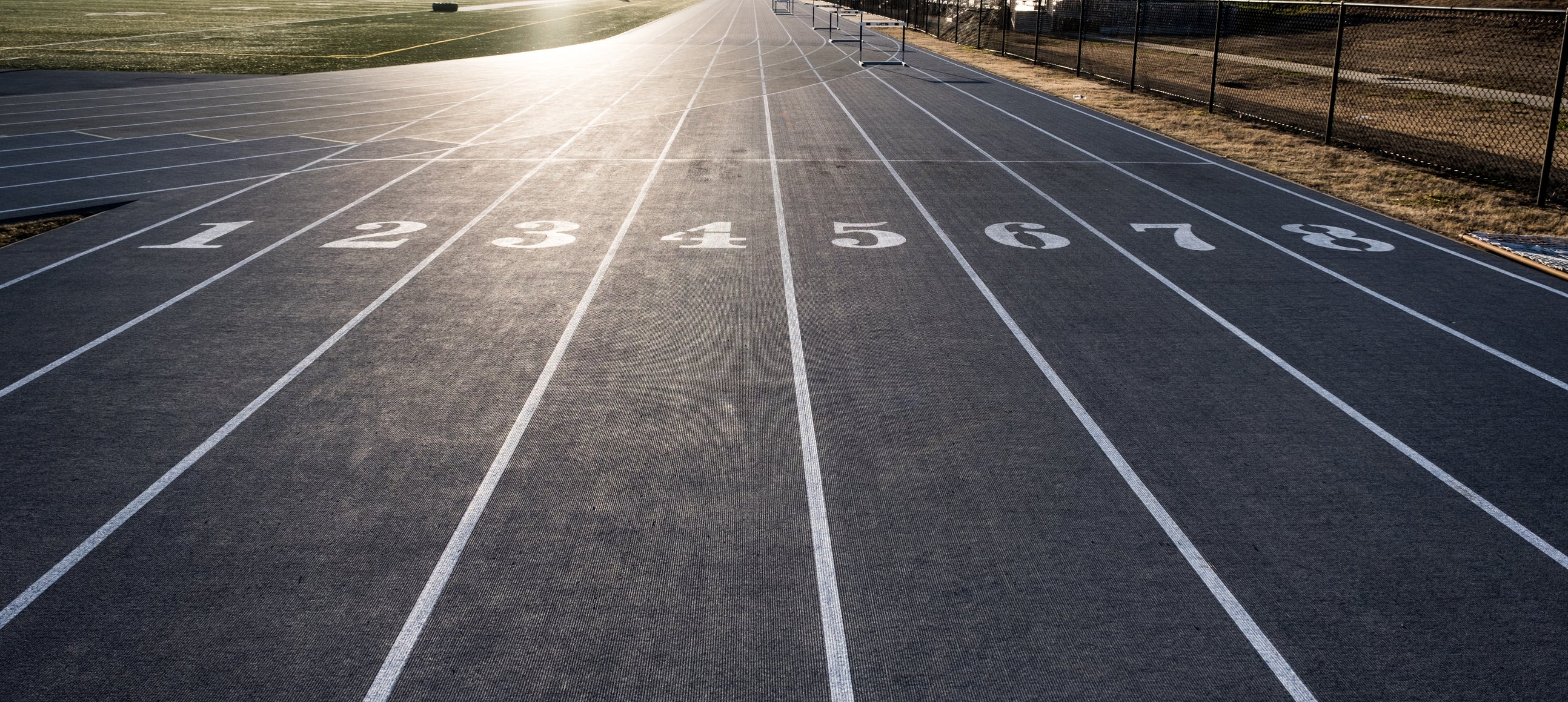
Track and field season begins indoors in early December for many collegiate and elite athletes. Outdoor competitions typically commence in late March or early April. Specific schedules vary regionally and by league affiliation.
TL;DR
Outdoor track and field competition generally begins in March and concludes with championship meets in June or July. The indoor segment serves as a precursor, starting in January and running through early March. High school and collegiate schedules vary by state and climate, but most athletes transition to outdoor stadiums by early spring to prepare for regional and national qualifying events.
When Does the Indoor Season Begin?
Indoor track and field starts in January each year, providing a controlled environment for athletes to compete during winter months before moving to larger outdoor venues. These meets are held on 200-metre or 300-metre banked tracks to accommodate technical events in smaller spaces.
Indoor competition focuses on explosive acceleration and technical rhythm. Because the environment is climate-controlled, performances are not affected by wind or rain, making it an ideal time for athletes to establish early benchmarks in sprinting and jumping.
How Does the Outdoor Season Schedule Work?
The outdoor track and field season usually starts in March or April as weather conditions improve, allowing for the full range of throwing and jumping events. This transition is essential for disciplines like the javelin throw or the 400-metre hurdles, which require the space of a standard 400-metre outdoor loop.
During this phase, athletes aim for peak performance during championship months. The outdoor season follows a strict regulatory framework where factors like wind assistance and elevation drops are measured to ensure results are valid for world records or national rankings. For example, a marathon course must not have a net elevation drop exceeding one metre per kilometre to remain eligible for specific records.
How to Choose the Right Time to Order Track and Field Custom Uniforms?
Preparation for the season requires planning to ensure athletes have the necessary gear before the first starting gun. Consider these factors when timing your order:
- Review league regulations for required uniform colours and logos
- Calculate the total number of athletes in each discipline
- Allow four to six weeks for custom production and shipping
- Account for weather variations like track suits for early spring meets
- Order samples to ensure proper sizing for sprinters and distance runners
Final Thoughts
Standardised seasons ensure athletes compete in optimal conditions while meeting strict regulatory requirements. Start planning early and secure your track and field custom uniforms today.
References:
World Athletics Rules and Regulations World Athletics Technical Information