
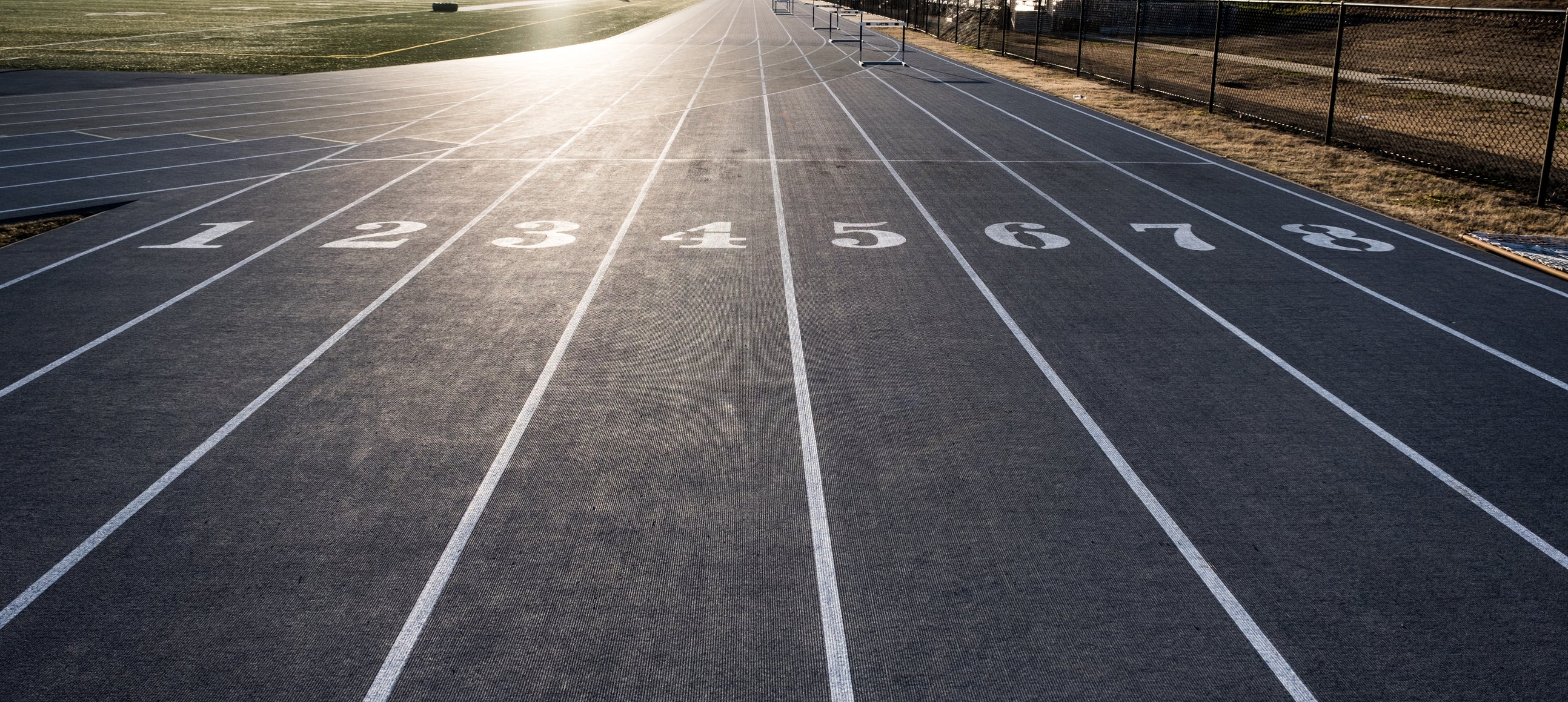
High school cross country season typically concludes in November. State championships and national meets usually occur during this month. Most athletes finish competition before December.
💡 Stuck on a team name? Try our free Team Name Generator →
TL;DR
High school cross country seasons generally run for 10-12 weeks, starting in late summer with practices in August and competitive meets beginning in September. The season culminates with state championships and national qualifying events primarily throughout October and November. Specific dates can vary by state athletic association, with some regional championships extending into early December.
What Are the Typical Season Durations and Start Dates?
High school cross country seasons typically last about 10 to 12 weeks, commencing in late summer. This includes various competitions and training phases.
- Most seasons begin with practices in mid to late August.
- Competitive meets usually start in early September.
- The championship phase, including district and state meets, often takes place in late October and November.
How Do State Regulations Impact the Season's End?
State regulations significantly influence when the cross country season concludes, as each state's athletic association sets its own calendar. For instance, the Minnesota State High School League (MSHSL) establishes specific cutoff dates. For track field bags backpacks, visit ProPlayerTeam.
- State championship meets are usually held on designated weekends in November.
- These events mark the official end of the competitive season for most athletes.
- Some states may have regional qualifying events stretching into early December.
How to Choose the Right Cross Country Spikes for the Season
When selecting cross country spikes, consider the course terrain, the athlete's foot biomechanics, and the weather conditions expected during the late season. Choose spikes designed for varied natural surfaces. For track field jerseys, visit ProPlayerTeam.
- Look for models with aggressive, longer tread designs for optimal grip on dirt, grass, and mud.
- Ensure the spikes can accommodate interchangeable pins, allowing adaptation to different course conditions.
- Opt for a snug fit to prevent blistering and provide stability on uneven ground.
