

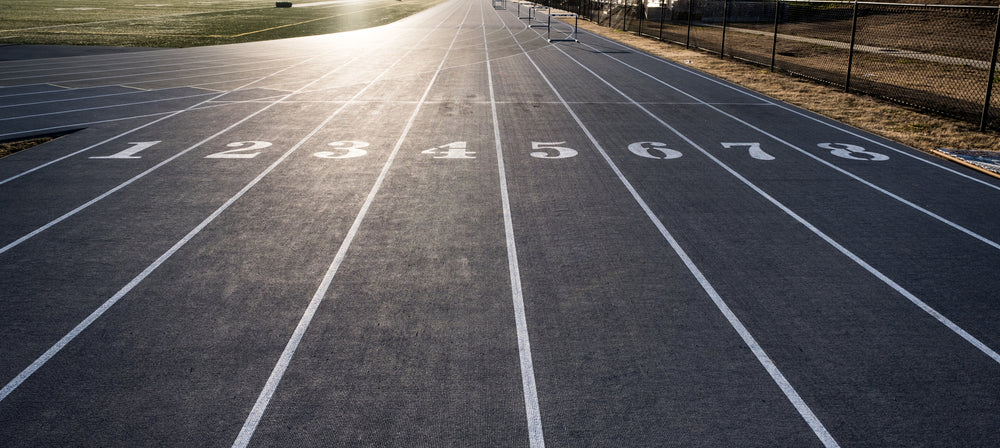
For most track surfaces, 6mm (1/4 inch) pyramid or needle spikes are standard. These provide excellent traction without damaging the common all-weather synthetic tracks. Longer spikes may be permitted for cross country or natural surfaces.
TL;DR
Standard tracks require 6mm pyramid spikes for most running and jumping events. While 9mm studs are necessary for cross country or grass, they are often prohibited on synthetic surfaces to prevent track damage. For high jump and javelin, 9mm heel spikes are occasionally permitted for.
Which Spike Size Is Right for Your Event?
Athletes must match spike length to both their specific discipline and the surface requirements to ensure safety and peak performance during competition. While 6mm is the universal standard for sprints and middle-distance races, specialized field events like high jump or javelin sometimes require longer 9mm studs in the heel. These longer options provide the necessary grip during high-impact plant phases where slipping could lead to injury.
Regulatory bodies like World Athletics oversee these technical specifications to ensure consistency across global venues. Using the incorrect size can lead to disqualification or equipment failure. For track and field events, choosing the right track and field jerseys and footwear is essential, so readers should use the answer as practical guidance, then check the latest rules, availability, or product details before acting. That keeps the decision grounded in the current situation rather than a generic answer that may miss timing, league, or format changes. If the question involves equipment, venues, schedules, or eligibility, confirm the details at the point of purchase or registration.