
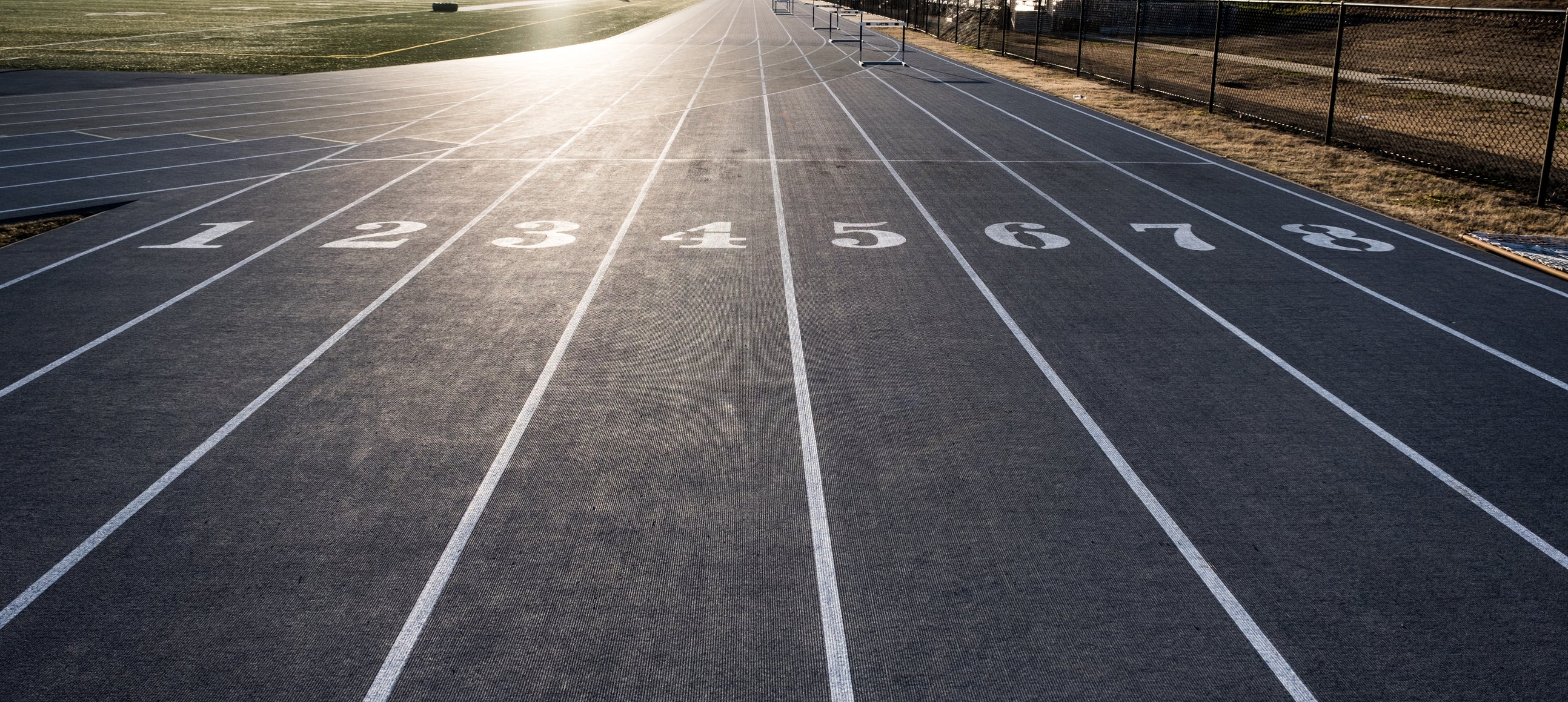
The final event in a decathlon is the 1500 metres run. This demanding middle-distance race concludes the two-day competition. It tests an athlete's endurance after nine previous events.
TL;DR
The 1500 metres is the tenth and final event of the decathlon, held at the end of Day 2 to test the aerobic endurance of competitors. Athletes earn points based on their finishing times using a standardised World Athletics scoring formula. After completing this grueling race, it is customary for all decathletes to perform a joint lap of honour to.
What is the Sequence of Decathlon Events?
The decathlon follows a strict, two-day schedule designed to challenge various physical attributes in a specific order. Each day consists of five events, moving from explosive power and speed to technical skill and, finally, aerobic capacity.
This structure forces athletes to manage leur energy levels across forty-eight hours of intense physical exertion. The sequence ensures that the most taxing endurance event, the 1500 metres, occurs only after the athletes have completed nine other high-intensity disciplines.
How is the Final Score Calculated?
The winner isn't necessarily the person who wins the 1500 metres, but the athlete with the highest total points from all ten events. World Athletics uses a mathematical formula to convert times, distances, and heights into a unified point system.
For the final 1500 metres run, the formula is Points = A x (B - P)^C, where P is the athlete's performance in seconds. The coefficients are specifically calibrated so that an elite performance in the run is worth the same as an elite performance in a throwing or jumping event.
- The 1500m coefficients are A (0.03768), B (480), and C (1.85).
- A 1,000-point performance in the 100m requires a time of 10.395 seconds.
- Athletes must balance their training across all disciplines to reach the 9,000-point barrier.
- Current world record holder Kevin Mayer reached 9,126 points using this system.
How to Decide Which Training Plan Works for You
Choosing the right preparation for multi-discipline events requires a balanced approach to ensure you don't burn out before the final race.
- Does the plan include specific sessions for all ten disciplines?
- Is there a clear focus on recovery.
Final Thoughts
The 1500 metres provides a dramatic finish to the decathlon, testing a competitor's heart and stamina. To perform your best, equip yourself with track and.
References:
- World Athletics Decathlon Sequence
- History of the Olympic Decathlon