
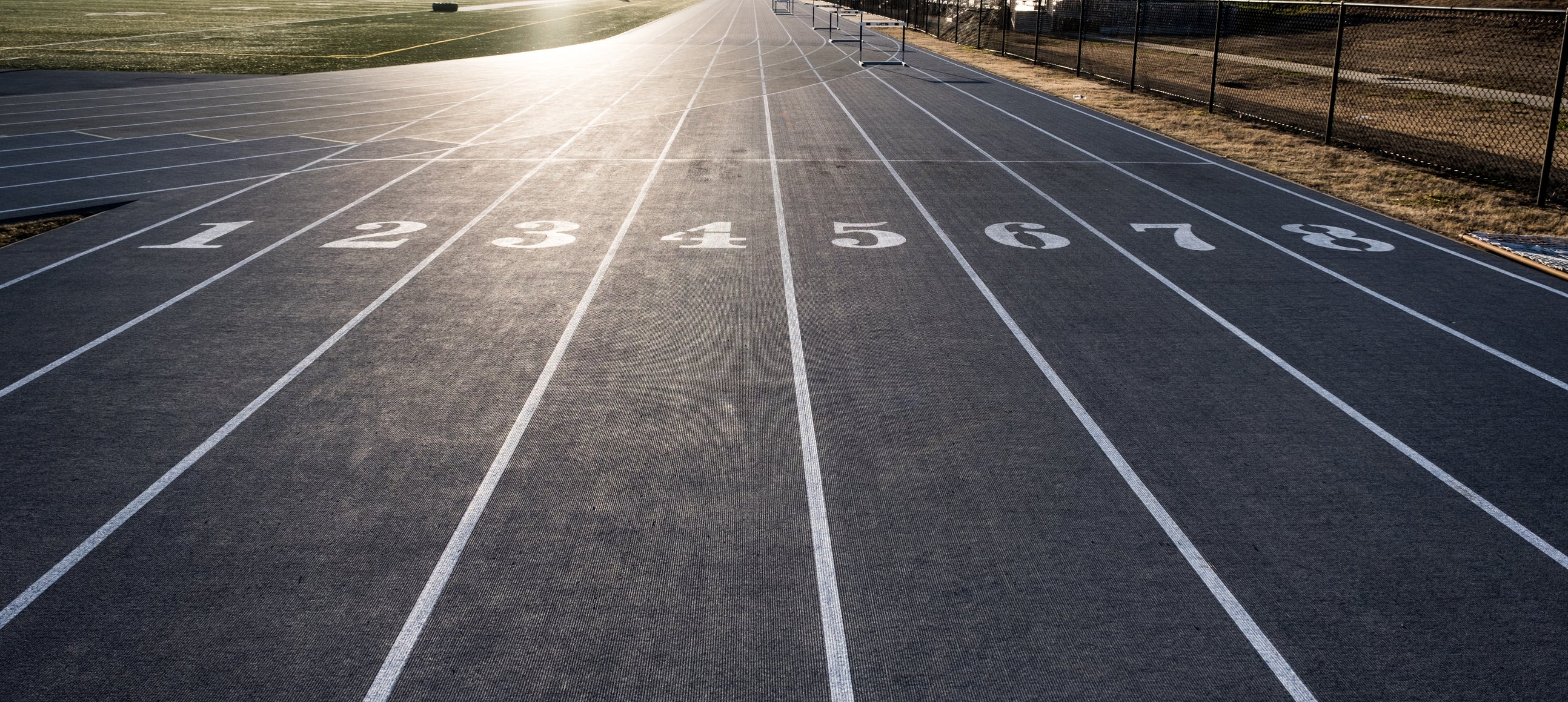
A split in track and field measures the time taken to complete a specific, predetermined segment within a longer race. This measurement tracks an athlete's pace and provides crucial performance data. Coaches and runners use splits to analyze race strategy.

💡 Stuck on a team name? Try our free Team Name Generator →

TL;DR

A split in track and field refers to the recorded time for a predetermined segment of a race, such as a single lap or a specific distance marker. Track athletes and coaches use splits to monitor pacing, assess endurance, and strategize for optimal performance during long-distance events like the 800m or 5000m. Analyzing these timed segments helps identify strong and weak points in a runner's race plan.

Event Type Typical Split Distance Strategic Importance Example Pace Goal (per 400m)
Middle Distance (800m) 400m, 200m Pacing for sustained speed 58-62 seconds
Long Distance (5000m) 400m, 800m, 1600m Endurance, negative splits 70-75 seconds
Relays (4x400m) 400m (individual leg) Maximising individual effort 50-55 seconds
Marathon (training) 1600m, 3200m Consistent long-run pace ~6 minutes per mile

Why Are Splits Important for Track Athletes?

Splits are crucial for track athletes as they provide immediate feedback on pacing and allow for in-race adjustments to maintain target speeds. Monitoring these segment times helps prevent burning out too early or finishing with unused energy. Coaches also use historical split data to develop tailored training plans focused on specific race distances.

  • Splits help athletes maintain consistent pacing throughout a race.
  • They allow coaches to analyze performance and refine race strategies.
  • Specific split targets are often set for each lap in longer races.

How Are Splits Measured and Used in Training?

Splits are typically measured with a stopwatch, either manually by a coach or automatically by electronic timing systems positioned at various points on the track. During training, athletes might run specific distances, such as 400m repeats, with a coach recording the time for each segment. This data allows for precise adjustments to workout intensity and recovery periods.

  • Athletes often train to hit specific split times for practice intervals.
  • Manual stopwatches and electronic timing systems are common measurement tools.
  • Data from splits informs adjustments to an athlete's training programme.

How to Choose the Right Split Strategy for You?

Choosing the right split strategy involves understanding your fitness level, the race distance, and your personal strengths. Start by consulting with your coach to establish realistic per-lap times. Experiment with different pacing in training to find what feels sustainable yet challenging.

  • Assess your current fitness and race experience.
  • Work with your coach to set realistic split targets.
  • Practice different pacing strategies during training runs.
  • Consider the specific demands of the race distance.
🚀 DOMINATE THE COMPETITION!
Equip your team for victory with professionally designed track and field apparel that enhances performance. Get fully customized kits reflecting your team's spirit.
GET YOUR TEAM KIT →
Full Customization · Durable Prints · Fast Production

Our Expert

Nic Reese
NR

Nic Reese

Our Sport Expert

Nic Reese is a sports expert and lifelong enthusiast with a deep focus on bowling and competitive team sports. He brings practical insight, real-world experience, and a genuine passion for the game into every piece of content. Nick is driven by a love of sports culture, performance, and helping players and teams perform at their best.

Track and field

Leave a comment

Related FAQs

View all

How to clean white track spikes?

track and fieldTrackBarn

To clean white track spikes, first remove the laces and insoles, then scrub visible dirt with a soft brush and a mild soap-and-water solution, avoiding harsh chemicals. For stubborn stains, a diluted bleach solution (1:10 ratio) can be applied carefully.

Which one is not a track and field event?

track and fieldTrackBarn

Cross-country running is not a track and field event because it takes place on natural terrain like dirt and grass, rather than on a synthetic track surface with defined lanes.

What are the best track spikes for hurdles?

track and fieldTrackBarn

The best track spikes for hurdles feature a stiff spike plate, a low-profile design for stability, and multiple short pyramid pins between 0.25 and 0.375 inches for optimal grip without impeding stride mechanics. This allows for quick, powerful transitions over barriers.

What does nm mean in track and field?

track and fieldTrackBarn

In track and field, "NM" signifies "No Mark," indicating an athlete did not record a valid measurement in a field event.

What is pole vault in track and field?

track and fieldTrackBarn

Pole vault is a track and field event where athletes use a long, flexible pole to clear a horizontal bar placed at significant heights. Competitors are scored on the maximum height achieved, following a precise sequence of events for a valid attempt.

What is ea javelin anticheat?

track and fieldTrackBarn

EA Javelin Anti-Cheat refers to specific regulations governing the javelin event, particularly the mandated use of rubber-tipped javelins across eight US states for high school competitions due to significant safety concerns. This measure aims to minimize serious injuries.