
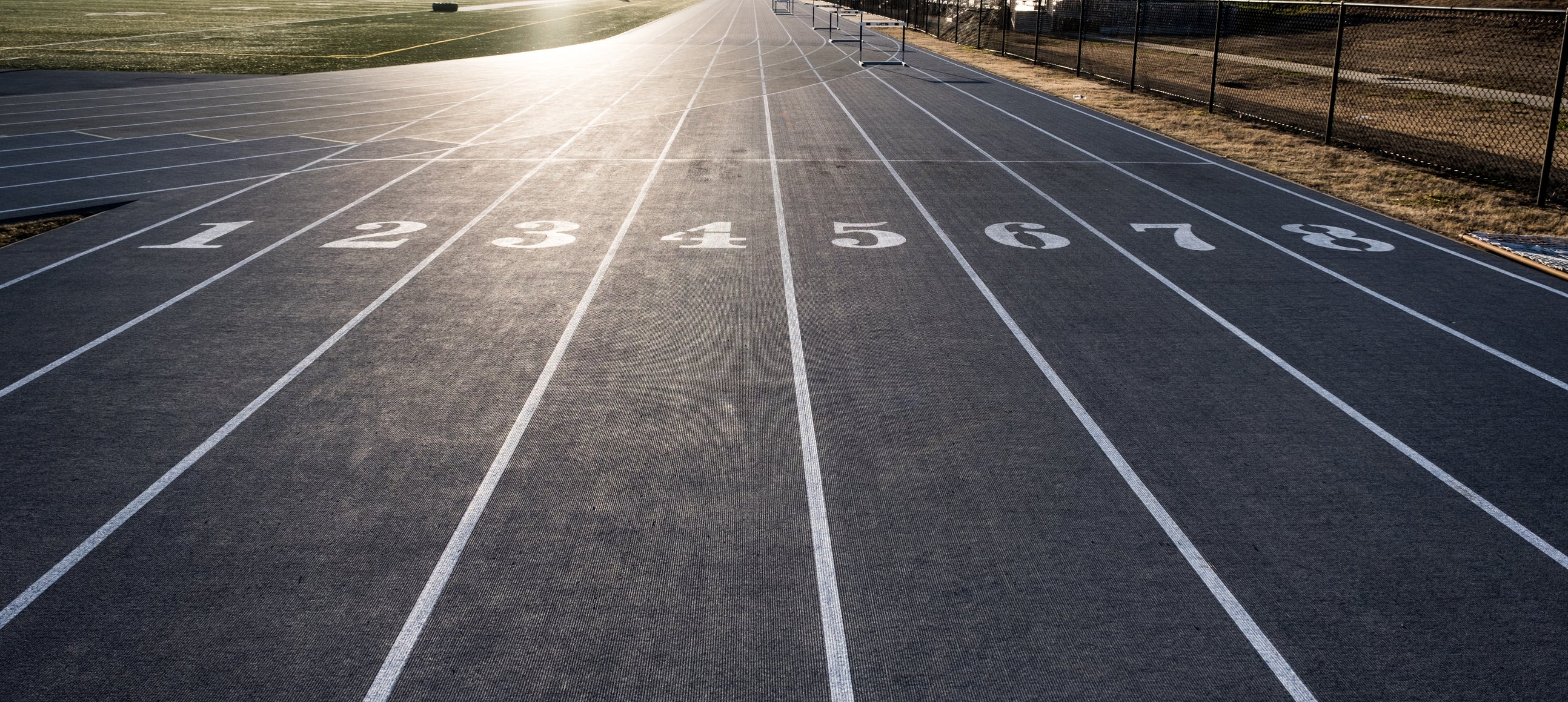
A heptathlon is a women's track and field event. Athletes compete in seven different events over two days. Points are awarded based on performance in each discipline. The athlete with the most total points wins.
💡 Stuck on a team name? Try our free Team Name Generator →
TL;DR
The heptathlon challenges female athletes with seven distinct track and field events over two days, including hurdles, high jump, shot put, 200m dash, long jump, javelin throw, and an 800m run, with points awarded via a standardised scoring system for each performance, crowning a comprehensive athlete as the champion.
What Events Make Up a Heptathlon?
A heptathlon comprises seven specific events contested over a two-day period, testing an athlete's versatility across multiple track and field disciplines. On the first day, athletes complete four events, while the remaining three events are contested on the second day.
- Day one features the 100 metres hurdles, high jump, shot put, and 200 metres.
- The second day includes the long jump, javelin throw, and 800 metres.
- Each event contributes points to a cumulative total based on performance.
How Is a Heptathlon Scored?
A heptathlon is scored by converting an athlete's performance in each of the seven events into points using specific World Athletics multi-event scoring tables. The athlete accumulating the highest overall point total after all seven events is declared the winner.
- Points are awarded for both measurable results, like time in races or distance in throws/jumps.
- The scoring tables are designed to equate performances across different events fairly, so a strong sprint time might earn similar points to an impressive javelin throw.
- This system allows for direct comparison and ranking of athletes based on their combined athletic ability.
How Can Athletes Prepare for a Heptathlon?
Athletes prepare for a heptathlon through a rigorous and diversified training regime that balances event-specific practice with general physical conditioning. This involves developing skills for each individual event while also building overall stamina and strength.
- Training often includes technical drills for hurdles, jumping techniques, and throwing mechanics.
- Strength training focuses on explosive power for events like shot put and high jump, alongside endurance work for the 200m and 800m.
- Mental preparation is also crucial, enabling athletes to maintain focus and resilience across the two intensely competitive days.
How to Choose the Right Training Programme for Combined Events
Selecting an effective training programme for combined events requires careful consideration of an athlete's strengths, weaknesses, and athletic goals. For track field bags backpacks, visit ProPlayerTeam.
- Identify your strongest and weakest events.
- Seek out a coach with combined events expertise.
