
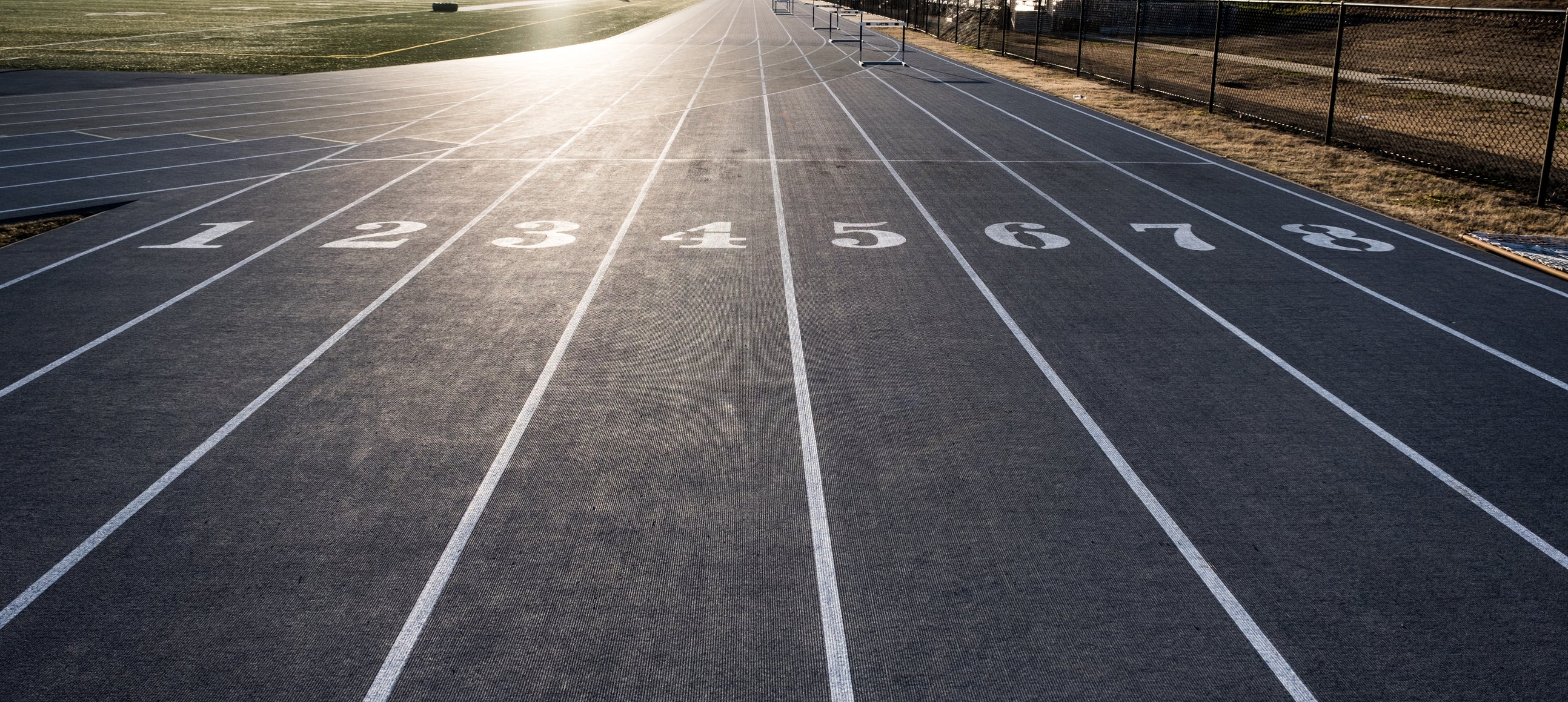
Track and field encompasses various athletic events. These include competitive running, jumping, and throwing disciplines. Athletes compete individually or as part of a team. It is a sport with historical roots.
💡 Stuck on a team name? Try our free Team Name Generator →
TL;DR
Track and field encompasses various athletic events, fundamentally categorised into track events like sprints and hurdles, and field events such as jumps and throws; it begins as an introductory middle school sport in the US before progressing to a more specialised high school competition, governed by strict rules on equipment like track spikes, which are regulated with a maximum outdoor.
What Are the Main Categories of Track and Field Events?
The main categories of track and field events are broadly divided into track events and field events, each testing distinct athletic abilities. Track events primarily involve various forms of running on an oval track, whereas field events occur in designated areas within or adjacent to the track. These events challenge athletes in speed, endurance, strength, and precision.
- Track events include sprints (e.g., 100m, 200m, 400m), middle-distance runs (e.g., 800m, 1500m), long-distance races (e.g., 5000m, 10000m), and hurdles.
- Field events are further divided into jumping events, such as the long jump, high jump, triple jump, and pole vault.
- Throwing events comprise shot put, discus throw, hammer throw, and javelin throw, demanding powerful movements.
How Do Combined Events like the Decathlon Work?
Combined events like the decathlon test an athlete's all-around athletic prowess across multiple disciplines over consecutive days. The decathlon is a two-day competition featuring ten distinct events, where performance in each event is converted into points using World Athletics scoring tables. The athlete with the highest cumulative point total wins.
- Day one of the decathlon typically includes the 100m dash, long jump, shot put, high jump, and 400m dash.
- Day two completes the decathlon with the 110m hurdles, discus throw, pole vault, javelin throw, and 1500m run.
- Women's combined events include the heptathlon (seven outdoor events) and the indoor pentathlon (five indoor events), scored similarly.
How Is Equipment Regulated in Track and Field?
Equipment in track and field, particularly track spikes, is strictly regulated by governing bodies such as World Athletics and high school associations to ensure fair play and athlete safety. These regulations often specify permissible dimensions, materials, and designs for footwear and other implements, limiting technological advantages. For instance, track spikes frequently require athletes to size down by a half-size for a snug fit.
- Track spikes feature hard plastic or carbon-fibre spike plates with metal pins, enhancing traction on synthetic surfaces.
- Scholastic bodies, like the Minnesota State High School League, enforce stringent spike length limits, such as a 1/4 inch maximum for outdoor pyramid spikes.
- World Athletics imposes maximum sole stack heights for competition shoes to prevent "technological doping," capping it at 20mm for track events under 800m.
How to Choose the Right Events for You
Consider an event that aligns with your physical attributes and personal preferences.
- Assess your natural speed and endurance.
