
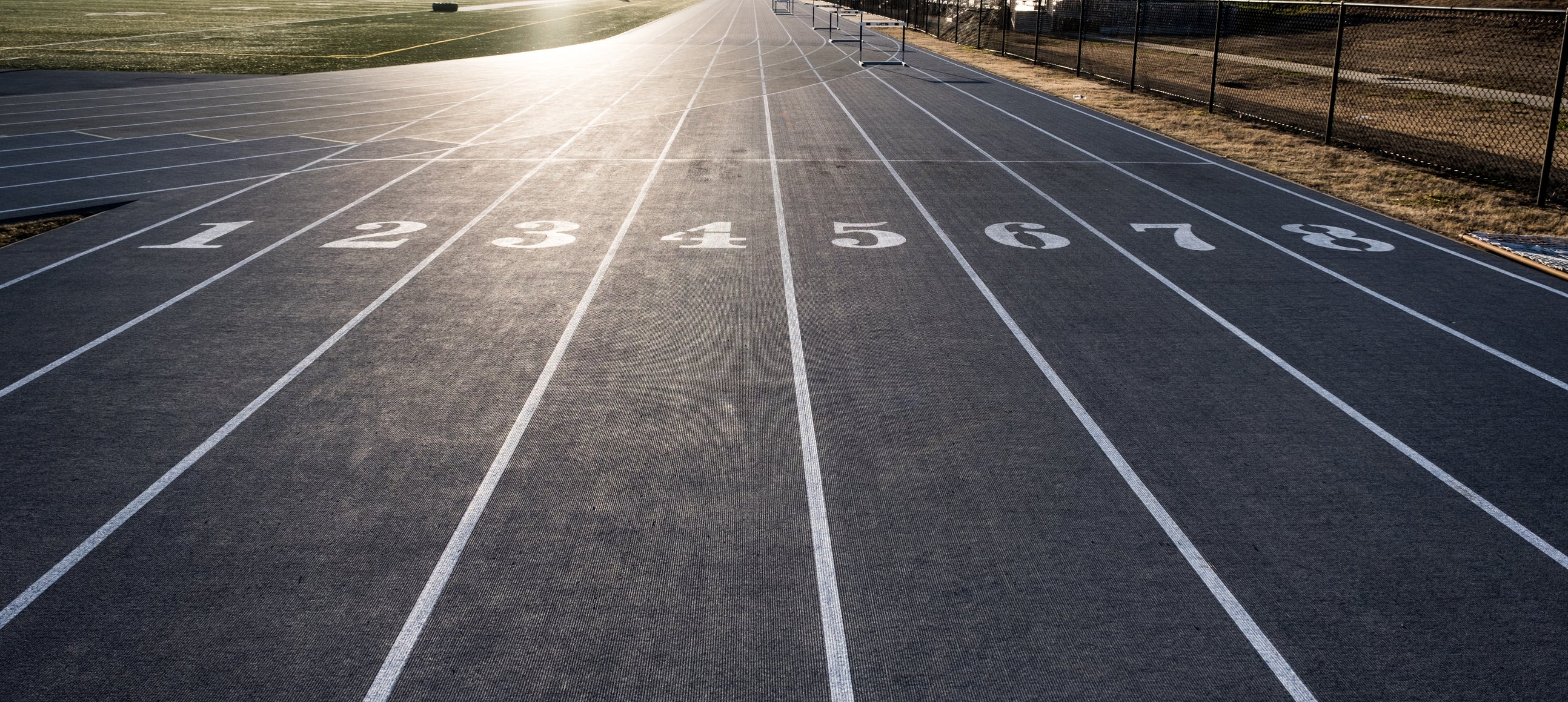
Track spikes are specialized athletic footwear featuring a thin, often synthetic upper and a rigid sole plate with receptacles for metal pins. They offer minimal cushioning. The design prioritizes grip and propulsion for track events.
💡 Stuck on a team name? Try our free Team Name Generator →
TL;DR
Track spikes are specialized, lightweight athletic footwear with rigid sole plates designed to hold small metal pins. These pins, typically pyramid-shaped and measuring up to ¼ inch for outdoor use, dig into track surfaces for enhanced grip and energy return, and the shoes fit very snugly, often requiring athletes to size down.
What Materials Are Track Spikes Made Of?
Track spikes are constructed primarily from lightweight synthetic materials for the shoe's upper and rigid plastic or carbon-fibre for the sole plate. The sole plate is where the metal pins are inserted.
- The upper portion uses breathable, minimalist fabrics to reduce weight.
- The sole plate, made from stiff plastic or carbon-fibre, provides a stable platform for the pins.
- Metal pins, typically steel or ceramic, are threaded into receptacles on the sole.
How Do Track Spikes Enhance Performance?
Track spikes improve an athlete's performance by boosting traction and optimising energy transfer during critical phases of running. The pins temporarily compress the track surface, allowing the material to rebound and return energy to the runner.
- The sharp pins dig into the track, preventing slippage and providing a more efficient push-off.
- The rigid spike plate minimises energy loss, ensuring more power is directed into forward motion.
- Track spikes are designed to fit extremely snugly, almost like a glove, for maximum tactile feedback.
Why Are Spike Lengths Regulated?
Spike lengths are regulated to protect expensive synthetic track surfaces from damage and ensure fair competition across all athletes. Different events and surfaces require specific pin types and lengths, with strict adherence to established guidelines.
- Outdoor pyramid spikes typically have a maximum limit of ¼ inch.
- Indoor track events usually restrict pins to a shorter ⅛ inch limit to preserve wooden boards.
- Highly sharpened needle spikes and blunt Christmas tree spikes are often prohibited due to their potential to permanently damage track materials.
How to Choose the Right Track Spikes for You
Selecting the correct track spikes involves considering your specific event, the type of track surface, and regulatory requirements.
- Identify your primary event type (sprinting, distance, hurdles).
- Check local league rules for maximum spike length and type.
