
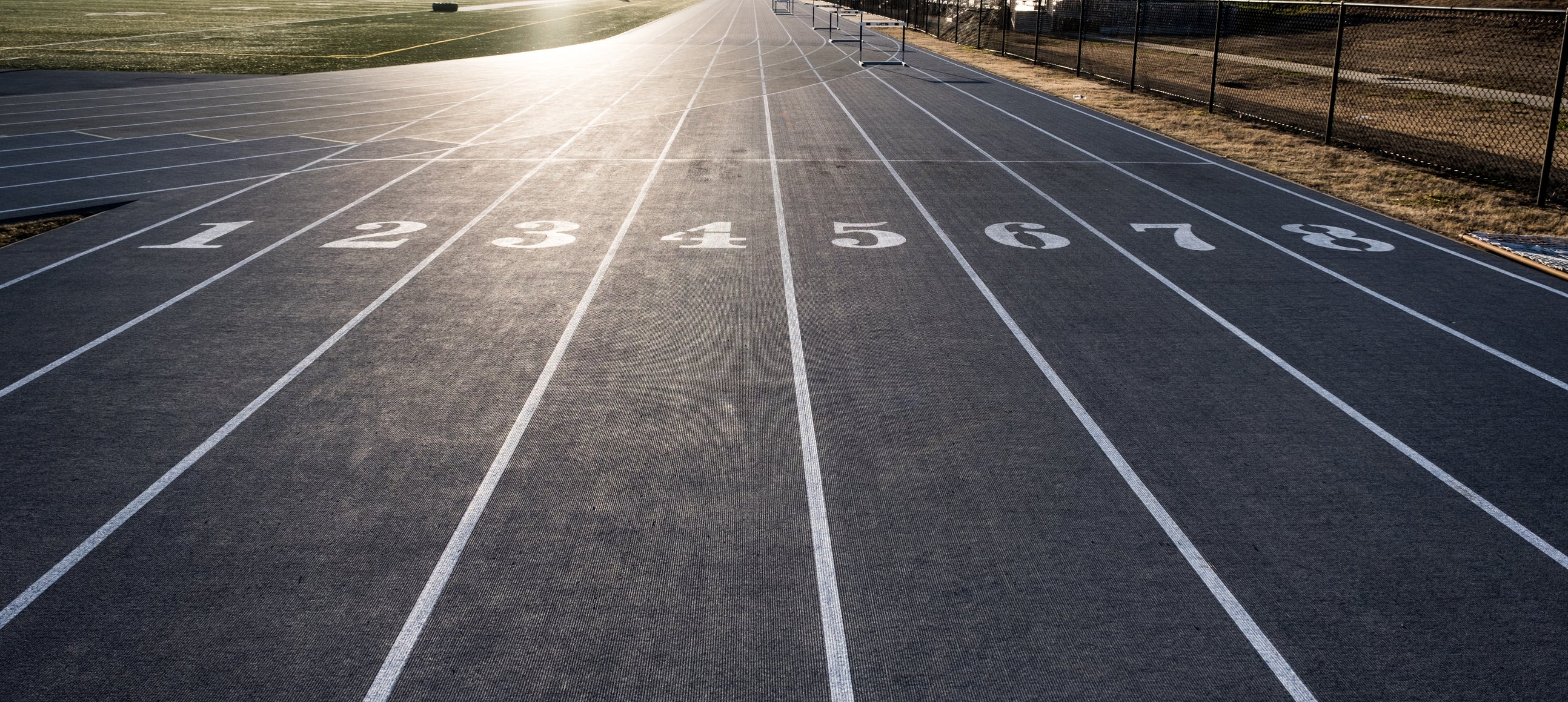
Track shoes are specialized athletic footwear. They feature lightweight construction for speed. Integrated spikes often enhance grip on various running surfaces. This specialized design optimizes performance for competitive running.
TL;DR
Track shoes are performance-orientated footwear categories including track spikes and racing flats tailored for specific athletics events. Featuring a snug, glove-like fit and ultra-lightweight construction, they use metal or plastic pins on the forefoot to grip the track surface. Whether designed for explosive sprints or endurance marathons, these shoes are essential for athletes seeking to improve their competitive times through.
What Are the Main Types of Track Shoes?
Track shoes are divided into distinct categories based on the specific requirements of the running or field event. Athletes must select footwear that matches their discipline to ensure proper support, traction, and energy return during competition.
As track and field events vary from 100-metre sprints to 42.195-kilometre marathons, the technical specifications of the footwear must adapt to different physiological demands. Sprinting requires rigid soles for power, while middle-distance and long-distance events require more cushioning to manage fatigue and glycogen depletion.
How Do Track Spikes Improve Performance?
Track spikes improve performance by providing a mechanical advantage through enhanced grip and reduced energy loss on the track surface. The metal pins penetrate the synthetic track, allowing runners to apply force more effectively without slipping or losing momentum during the drive phase.
The design of a track shoe prioritises weight reduction, often using mesh uppers and carbon fibre plates to keep the athlete light on their feet. In sprinting, a stiff forefoot plate mimics the "Fosbury Flop" revolution in jumping by biomechanically altering how the foot interacts with the ground. This stiffness forces the athlete to stay on their toes, which is critical for maintaining velocity in the final stretch, often referred to as the "bell lap" in longer stadium races.
- Enhanced Traction: Pins prevent slipping on wet or high-speed turns. 2. Weight Efficiency: Removing heavy rubber outsoles reduces the effort needed for each stride. 3.
How to Choose the Right Athletics Footwear for You
Selecting the correct shoe depends on your specific event and experience level. Consider these factors to ensure your footwear supports your athletic goals:
- Match the shoe to your event distance (sprints vs. distance).
Final Thoughts
Choosing the right track shoes is a vital step toward achieving a new personal best on the track.
References:
World Athletics Official Site Olympic Games Athletics Overview Britannica: Marathon History