
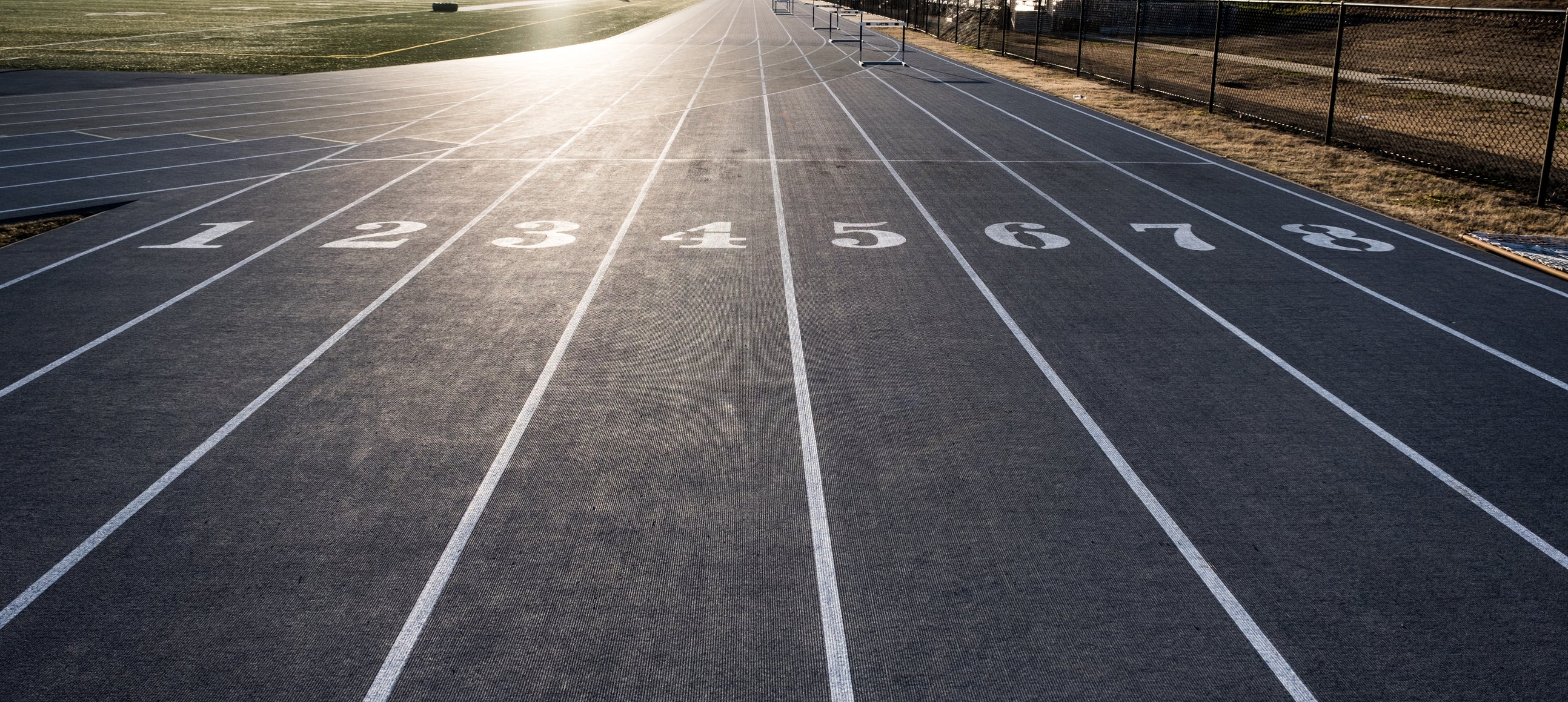
Track and field tracks are primarily made from synthetic rubberized materials. These include polyurethane or latex systems, often layered over an asphalt or concrete base. This durable construction provides a consistent, high-performance surface for athletes.
💡 Stuck on a team name? Try our free Team Name Generator →
TL;DR
Track and field surfaces are engineered systems, usually beginning with an asphalt or concrete foundation, topped with a rubberised base layer, and finished with a resilient polyurethane or latex topcoat for consistent grip and energy return. These advanced synthetic tracks, often referred to as "all-weather tracks," replaced traditional cinder surfaces due to their superior performance, weather resistance, and reduced maintenance needs. Strict regulations govern their construction to ensure fairness and athlete safety across all competitive levels, impacting everything from spike length limits to overall track longevity.
What Materials Constitute a Running Track?
Running tracks primarily consist of impermeable synthetic rubber layers, meticulously laid over stable foundational supports such as asphalt or concrete. These advanced surfaces are engineered to offer a consistent, high-performance medium for athletic events.
- The base layer often uses recycled rubber granules mixed with a binder.
- Intermediate layers add cushioning and energy absorption.
- The top layer is a robust polyurethane or latex blend, often pigmented.
How Do Different Track Surfaces Compare?
Track surface composition varies, influencing properties like energy return, shock absorption, and overall durability, with major distinctions between older cinder designs and modern synthetic systems. The choice of material affects maintenance requirements and the types of spikes permitted for athletes.
What Factors Influence Track Durability and Maintenance?
Track durability and maintenance are significantly affected by the inherent material quality, exposure to environmental elements, and adherence to regulations regarding footwear. Strict guidelines, such as limiting outdoor pyramid spikes to a maximum of 1/4 inch, protect the expensive polyurethane and asphalt-based compounds from damage.
- Weather conditions, particularly UV radiation and extreme temperatures, degrade materials over time.
- Heavy usage and improper footwear, like prohibited needle spikes, accelerate wear and tear.
- Regular cleaning and prompt repair of minor damage extend the lifespan of the track surface.
How to Choose the Right Track for Your Venue?
Selecting the appropriate track involves considering several practical factors, balancing initial investment with long-term performance and upkeep.
- Assess the venue's climate and expected weather conditions.
- Determine the primary use, such as competition, training, or multi-sport.
- Evaluate the budget for installation and ongoing maintenance.
- Review local regulations on spike types and material specifications.
- Consider the desired balance of shock absorption and energy return.
