
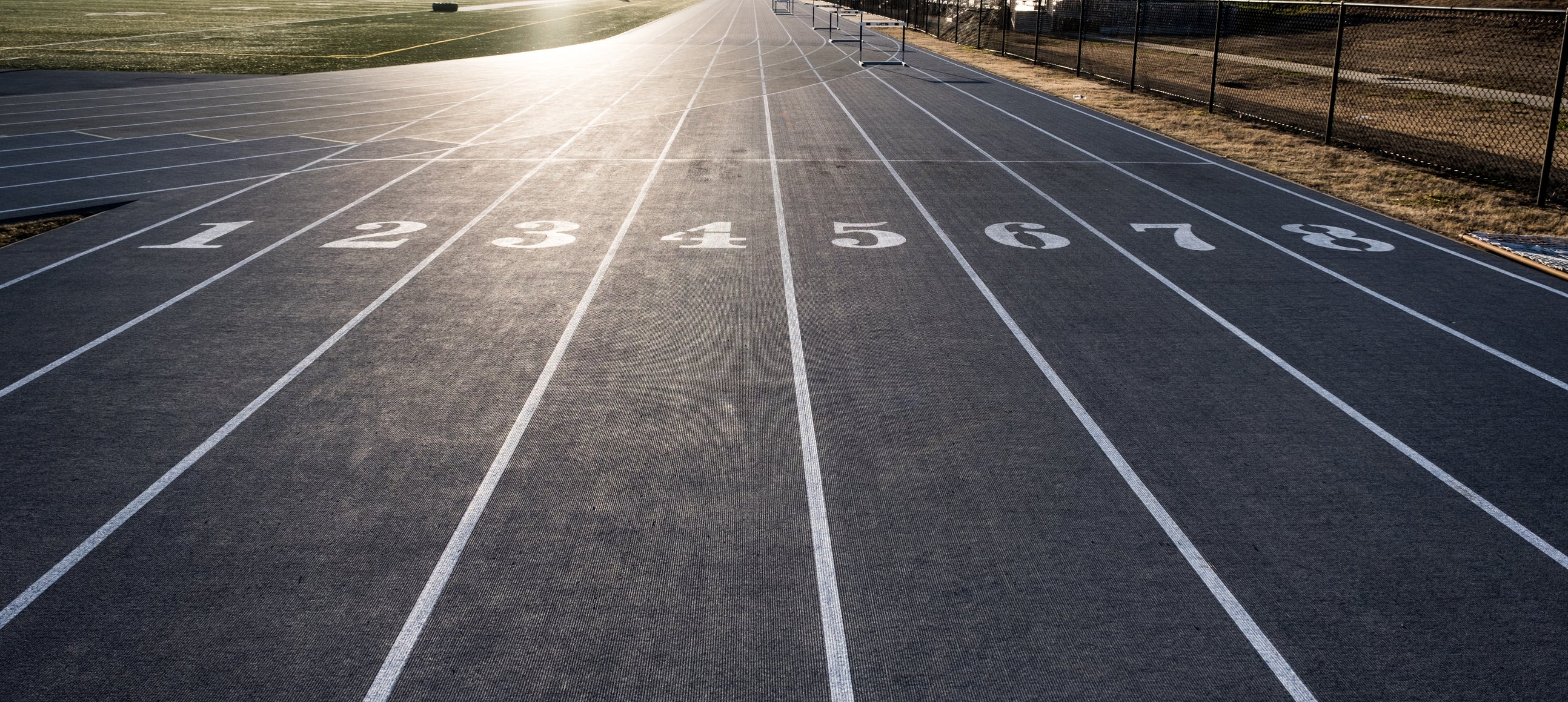
The best track shoes for sprinters feature an aggressive spike plate designed for explosive starts. They prioritize lightweight construction and a secure fit. These specialized shoes maximize forward propulsion on the track.
💡 Stuck on a team name? Try our free Team Name Generator →
TL;DR
Sprinters require specialised track spikes with rigid plates and metal pins to optimise grip and force transfer, often fitting half a size smaller than regular trainers.
These ultra-lightweight shoes, with pin lengths strictly regulated by governing bodies like the MSHSL to a universal maximum of 1/4 inch for outdoor pyramid spikes, are essential for explosive performance. They are designed to compress the track surface temporarily, returning energy to the athlete.
What Are the Key Features of Sprinter Spikes?
Sprinter spikes are engineered for maximal propulsion and traction, featuring a rigid spike plate, minimal cushioning, and exchangeable metal pins.
These shoes provide a "grippy" feel, which is essential for reducing energy loss during foot strike on synthetic track surfaces. They are designed to fit extremely snugly; athletes often size down by at least a half-size compared to their regular training shoes for optimal performance.
Breaking in new spikes should occur during light stride workouts to prevent blisters and allow the synthetic plate to adapt.
- Sprinter spikes have stiff plates for efficient energy transfer.
- They feature minimal heel-to-toe drop and cushioning.
- Metal pins provide superior grip on synthetic tracks.
How Do Spike Pins Affect Performance and Track Integrity?
Spike pins significantly enhance traction for sprinters but their design and length are strictly regulated to prevent damage to expensive synthetic track surfaces.
Governing bodies, such as the Minnesota State High School League (MSHSL), enforce specific limits on spike geometry and length. Outdoor pyramid spikes typically have a maximum limit of 1/4 inch, while indoor tracks often restrict pins to a shorter 1/8 inch to preserve wooden boards.
Pyramid spikes temporarily compress the track surface, enabling it to rebound and return energy to the runner without causing permanent damage.
- Pyramid spikes leverage track material rebound for energy return.
- Needle and Christmas tree spikes are often banned due to track damage.
- Athletes must use spike wrenches to maintain or replace pins.
How to Choose the Right Spikes for Your Discipline?
To select appropriate track spikes, consider the event distance, track surface, and specific regulations from your governing athletic body.
- Determine your primary event short sprint or distance.
- Check local and national regulations for spike pin length.
- Look for a snug fit, potentially sizing down by a half-size.
- Consider synthetic track material versus natural grass surfaces.
- Evaluate the stiffness of the spike plate for desired energy return.
