
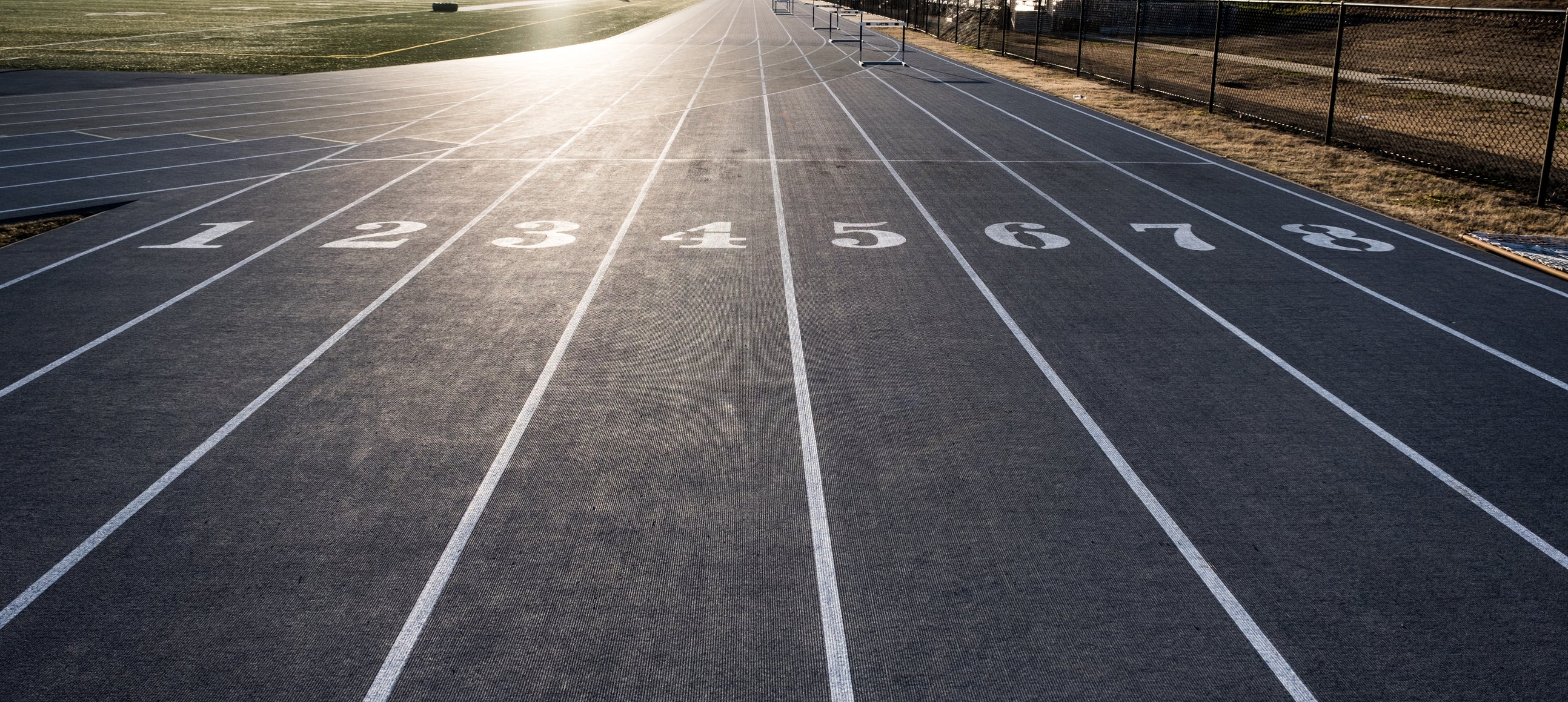
Track spikes offer optimal performance for track and field events. They feature specialized designs for various disciplines. These shoes enhance traction and efficiency on synthetic tracks.
💡 Stuck on a team name? Try our free Team Name Generator →
TL;DR
Track spikes are essential for track and field, providing enhanced grip and reduced energy loss. They are ultra-lightweight, featuring spike plates with replaceable metal pins. Athletes typically need to size down their spikes for a snug fit. Regulations govern spike length and type to protect track surfaces, with specific limits for indoor and outdoor events.
What Are Track Spikes and How Do They Work?
Track spikes are highly specialized, ultra-lightweight athletic shoes designed with hard plastic or carbon-fiber plates on the sole. These plates feature threaded receptacles for metal pins that enhance traction. They provide a "grippy" feel, which reduces energy loss during foot strike compared to standard athletic shoes.
- Spikes are engineered to fit snugly, often requiring athletes to size down by a half-size for optimal performance.
- Breaking in new spikes involves light stride workouts to prevent blisters and allow the plate to adapt.
- Athletes can use ultra-thin socks or go barefoot to maximize tactile feedback from the track surface.
What Are the Regulations for Track Spikes?
Governing bodies strictly regulate the geometry, length, and number of spike pins to prevent damage to expensive synthetic running tracks. These regulations vary, with specific limits for indoor and outdoor competitions to preserve track integrity. For example, the Minnesota State High School League enforces a maximum limit of 1/4 inch for outdoor pyramid spikes.
- Indoor track events traditionally restrict pins to a shorter 1/8 inch limit for wooden boards and flat surfaces.
- Needle and Christmas tree spikes are prohibited in many school and club competitions due to their potential to permanently damage track material.
- World Athletics establishes maximum sole stack heights to prevent "technological doping," capping it at 20mm for track events under 800m.
How to Choose the Right Footwear for Track and Field
Choosing the right track and field footwear depends on the specific event, the track surface, and personal fit preferences.
- Assess the primary events you will compete in, such as sprints, middle-distance, or throwing, to determine spike plate rigidity.
