
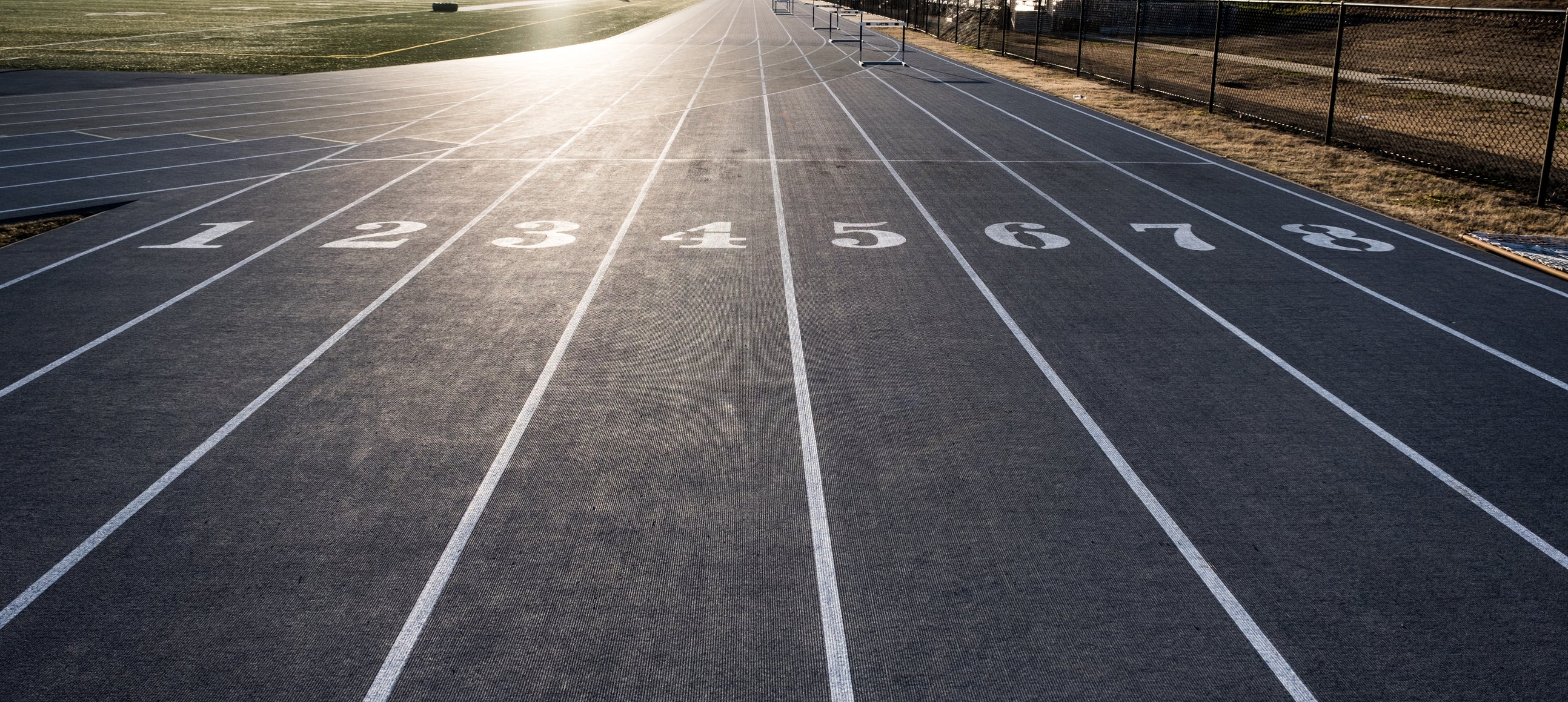
Yes, track and field is generally a spring sport in the United States. High school and middle school athletic programs typically schedule competitions between March and June. Some collegiate meets also occur during this period.
💡 Stuck on a team name? Try our free Team Name Generator →
TL;DR
Track and field is primarily a spring sport in scholastic settings across the US, with competition intensifying from introductory middle school levels to specialised high school leagues governed by bodies like the NFHS. This ancient athletic discipline, originating from Greek Olympic Games in 776 BC, involves running, jumping, and throwing events tailored to specific seasonal schedules which maximise outdoor conditions.
What is Track and Field?
Track and field encompasses a series of athletic competitions, including running, jumping, and throwing events, designed to test human physical capabilities. The sport's origins trace back to the ancient Olympic Games in Greece, starting in 776 BC with basic footraces, jumping, and throwing contests. Today, it has evolved into a highly structured discipline managed by international governing bodies such as World Athletics.
- Running events include sprints, middle distance, and long distance races.
- Jumping events feature the long jump, high jump, triple jump, and pole vault.
- Throwing events involve the shot put, discus, hammer throw, and javelin.
What Are Common Track and Field Events?
Common track and field events encompass a diverse range of athletic challenges, from rapid sprints to technical throws, each demanding specific skills and physical attributes. For instance, the decathlon tests overall versatility over two days, requiring participation in ten distinct events, from the 100-metre dash to the 1500-metre run.
- The decathlon includes the 100-meter dash, long jump, shot put, high jump, and 400-meter dash on day one.
- Day two of the decathlon features the 110-meter hurdles, discus throw, pole vault, javelin throw, and 1500-meter run.
- Women's combined events include the heptathlon for outdoor competition and the pentathlon for indoor events, each with a unique set of disciplines.
How Do Track Spikes Enhance Performance?
Track spikes are specialised, ultra-lightweight athletic shoes featuring stiff plates with metal pins that significantly enhance an athlete's traction on synthetic tracks. These shoes provide a "grippy" feel, which reduces energy loss at foot strike and helps maximise horizontal velocity and vertical force. Spikes are engineered to fit snugly, often requiring athletes to size down by half to ensure a stable platform and optimal tactile feedback.
- Spikes have strict regulations on length and geometry; outdoor pyramid spikes typically maximum 1/4 inch.
- Indoor track events often restrict pins to a shorter 1/8 inch limit to protect surfaces.
- Needle and Christmas tree spikes are prohibited in many competitions due to potential track damage.
How to Choose the Right Equipment for Track and Field
Selecting the right track and field equipment involves considering the specific event, surface type, and regulatory requirements.
- Match shoe type to event: sprint spikes for short distances, middle distance spikes for longer races.
