
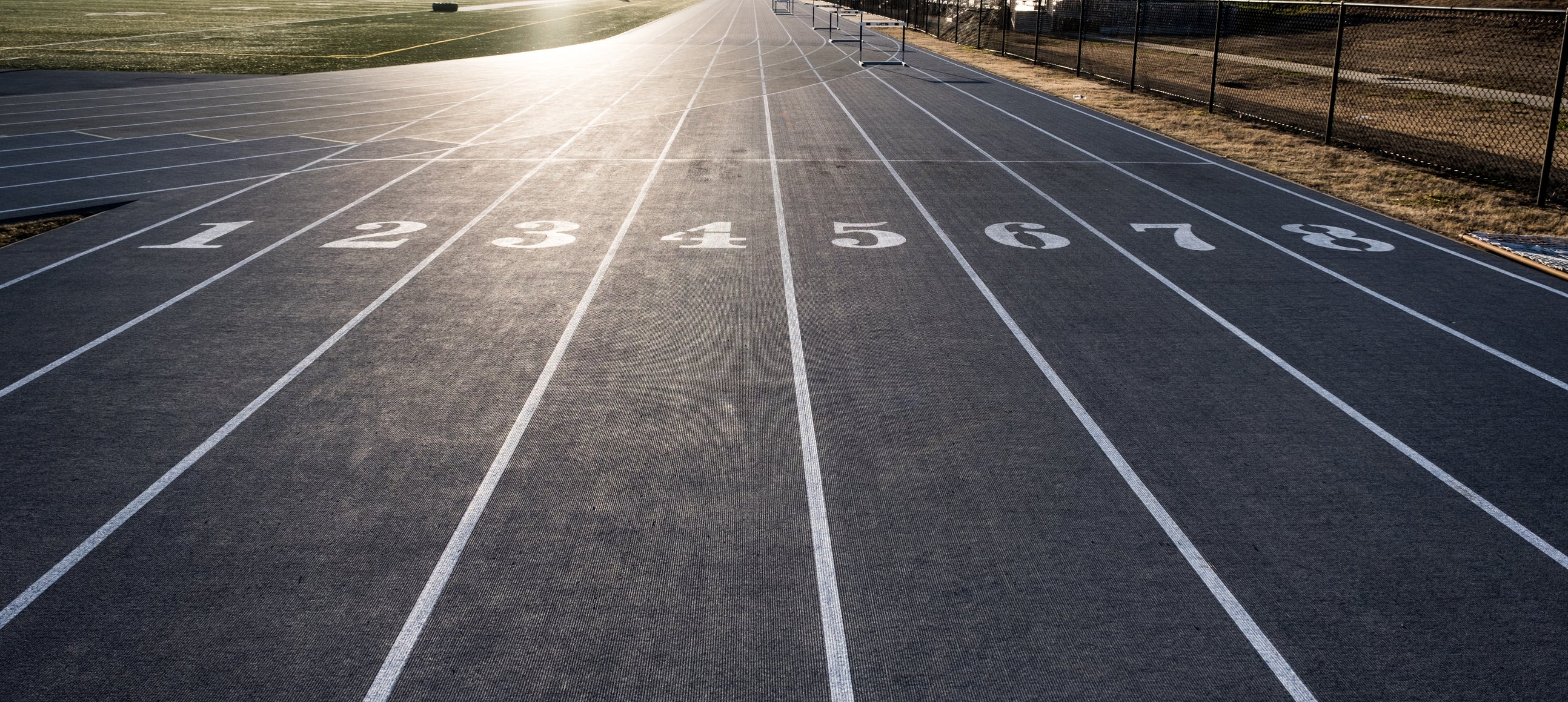
Training for middle school track and field involves developing foundational skills across various disciplines. Focus on general conditioning, event-specific drills, and proper technique. Prioritize balanced effort over intense specialization at this age.
💡 Stuck on a team name? Try our free Team Name Generator →
This introductory phase prioritises learning basic biomechanical movements and developing overall athletic ability rather than highly specialised event training.
TL;DR
Middle school track and field training focuses on introducing young athletes to fundamental biomechanical movements across running, hurdling, jumping, and throwing events within an 8-10 week spring season. Workouts emphasize general conditioning, proper form, and event variety, with competitive races for middle school cross-country typically spanning 1 mile (1.6 km) and javelin throwing regulated in 24 states due to safety. Athletes should prioritize consistent practice, hydration, and a balanced diet to support growth and performance.
What is a typical middle school track and field season like?
A typical middle school track and field season is structured as a spring sport, lasting approximately 8 to 10 weeks, and serves as an introductory athletic outlet for students. During this period, athletes learn the basic techniques for various events without the intense specialization seen at higher levels. This foundational approach helps students explore different disciplines and develop a broader athletic base.
- Athletes engage in practices focused on general conditioning.
- Instruction covers the fundamental biomechanics of running and jumping.
- Students are introduced to the basics of hurdling and throwing events.
What training methods are effective for middle school track athletes?
Effective training for middle school track athletes should prioritize fundamental skill acquisition, general physical conditioning, and injury prevention, rather than advanced, sport-specific workouts. This includes a balanced approach that builds endurance, strength, and proper form across various disciplines. The goal is to create well-rounded athletes who enjoy the sport and avoid burnout.
- Focus on proper running form through drills and short sprints.
- Implement bodyweight exercises to build foundational strength.
- Integrate active stretching and warm-up routines to prevent injuries.
How to Choose the Right Training Plan
Choosing the right training plan for middle school track involves considering the athlete's age, current fitness level, and their specific event interests. A balanced plan should prioritize safety and enjoyment while building fundamental skills.
- Assess the athlete's current physical condition and injury history.
- Discuss event preferences, whether sprinting, jumping, or throwing.
- Ensure the plan includes rest days for physical recovery and growth.
- Look for programmes that emphasize varied activities and skill development.
