
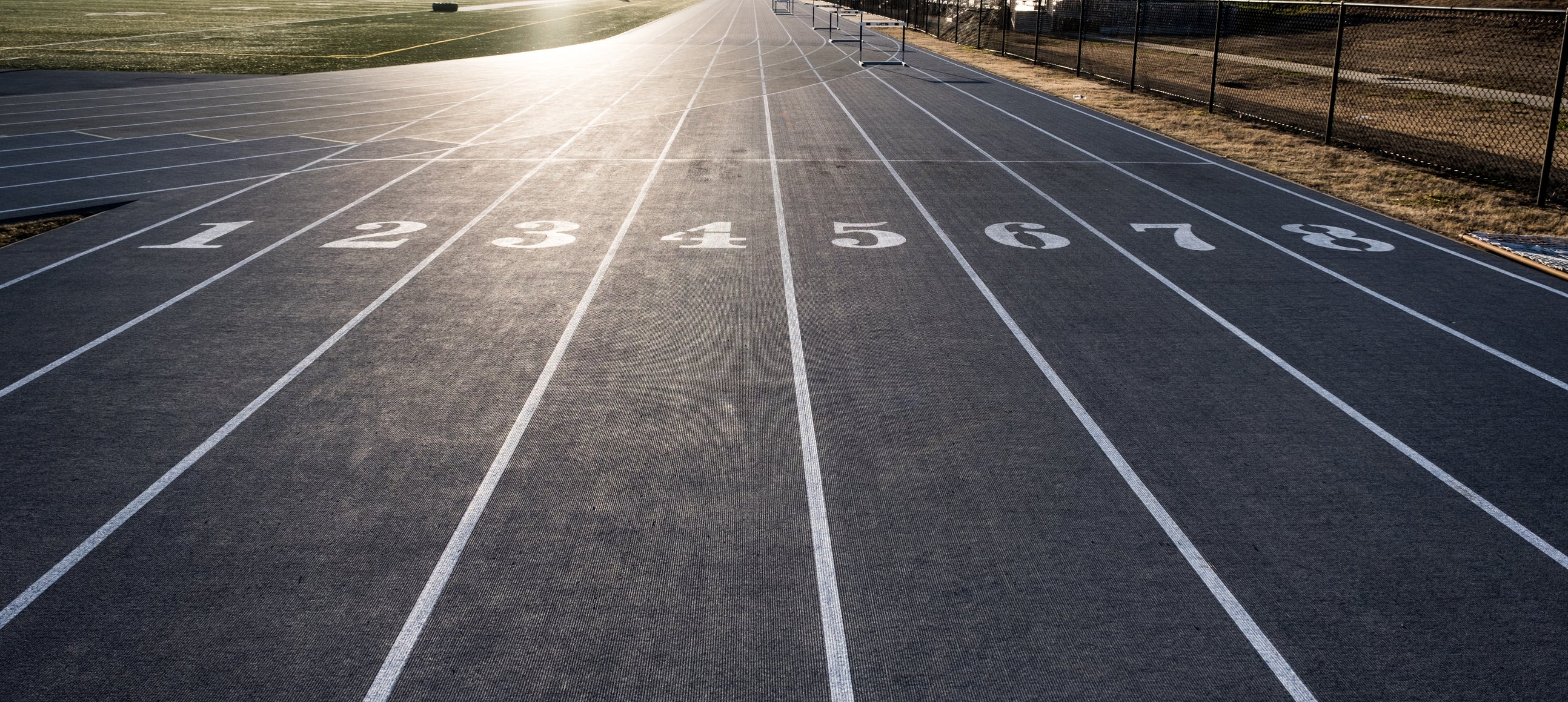
Joining track and field often involves contacting your school's athletic department or coach. Middle schools and high schools commonly offer organized teams. Club teams also provide opportunities for year-round participation.

💡 Stuck on a team name? Try our free Team Name Generator →

TL;DR

Track and field is accessible through school athletic programmes in spring, introducing core skills like running, jumping, and throwing for middle schoolers, with high school levels offering intensified competition and specialised coaching under NFHS rules. Athletes can choose from various event groups, often requiring specific equipment like track spikes, which are regulated for safety, particularly regarding pin length (e.g., 1/4 inch for outdoor pyramid spikes). Participation involves adherence to competition rules, preparation, and careful equipment maintenance.

Spike Type Typical Use Case Maximum Pin Length Regulatory Status
Pyramid Spikes General track surfaces 1/4 inch (outdoor) Generally permitted in school and club competitions
Compression-Tier General track surfaces 1/4 inch (outdoor) Generally permitted in school and club competitions
Needle Spikes Specialised, aggressive Varies, often longer Prohibited in many school and club competitions
Cross-Country Spikes Natural terrain (dirt) Varies, often longer Legal on synthetic tracks only with track-legal pins

What is Track and Field and Who Can Join?

Track and field is a collection of athletic sports with origins tracing back to the ancient Olympic Games in 776 BC, designed to test human physical prowess through running, jumping, and throwing events. It is widely accessible to students, particularly as a spring sport in middle and high schools across the United States.

  • Middle school programmes introduce students to fundamental movements in running, hurdling, jumping, and throwing.
  • High school participation intensifies, featuring specialised coaching and structured league meets governed by NFHS rules.
  • Athletes compete in a wide array of event groups, from sprints and distance running to throws and jumps.

What Equipment is Necessary for Track and Field?

Essential equipment includes specialised track spikes, which are ultra-lightweight shoes with hard plastic or carbon-fiber spike plates designed for enhanced traction. These spikes are critical for performance, fitting snugly, often requiring athletes to size down by a half-size compared to training shoes.

  • Track spikes feature metal pins, typically pyramid or compression-tier, rather than prohibited needle spikes.
  • Outdoor pyramid spikes usually have a maximum length of 1/4 inch, while indoor pins are restricted to 1/8 inch.
  • Cross-country spikes have longer, more aggressive treads for natural terrain but can use track-legal pins on synthetic surfaces.

How to Choose the Right Event for You?

Choosing the right track and field event involves assessing individual strengths and preferences among various disciplines.

  • Consider natural athletic predispositions for speed, endurance, strength, or agility.
  • Explore different event groups including sprints, middle-distance, long-distance, jumps, and throws.
  • Consult with coaches or experienced athletes to gain insights into specific event demands.
  • Attend practices or try out different events to determine personal fit and enjoyment.
  • Focus on developing fundamental skills before specialising in one or two events.
🌟 DOMINATE THE TRACK AND FIELD SEASON!
Ready to compete? Learn the essential steps to join a team and excel in your chosen discipline. Elevate your performance with high-quality track and field uniforms from Track Barn.
EXPLORE UNIFORMS →
Join a Team · Compete Confidently · Achieve Your Goals

Our Expert

Nic Reese
NR

Nic Reese

Our Sport Expert

Nic Reese is a sports expert and lifelong enthusiast with a deep focus on bowling and competitive team sports. He brings practical insight, real-world experience, and a genuine passion for the game into every piece of content. Nick is driven by a love of sports culture, performance, and helping players and teams perform at their best.

Track and field

Leave a comment

Related FAQs

View all

How to clean white track spikes?

track and fieldTrackBarn

To clean white track spikes, first remove the laces and insoles, then scrub visible dirt with a soft brush and a mild soap-and-water solution, avoiding harsh chemicals. For stubborn stains, a diluted bleach solution (1:10 ratio) can be applied carefully.

Which one is not a track and field event?

track and fieldTrackBarn

Cross-country running is not a track and field event because it takes place on natural terrain like dirt and grass, rather than on a synthetic track surface with defined lanes.

What are the best track spikes for hurdles?

track and fieldTrackBarn

The best track spikes for hurdles feature a stiff spike plate, a low-profile design for stability, and multiple short pyramid pins between 0.25 and 0.375 inches for optimal grip without impeding stride mechanics. This allows for quick, powerful transitions over barriers.

What does nm mean in track and field?

track and fieldTrackBarn

In track and field, "NM" signifies "No Mark," indicating an athlete did not record a valid measurement in a field event.

What is pole vault in track and field?

track and fieldTrackBarn

Pole vault is a track and field event where athletes use a long, flexible pole to clear a horizontal bar placed at significant heights. Competitors are scored on the maximum height achieved, following a precise sequence of events for a valid attempt.

What is ea javelin anticheat?

track and fieldTrackBarn

EA Javelin Anti-Cheat refers to specific regulations governing the javelin event, particularly the mandated use of rubber-tipped javelins across eight US states for high school competitions due to significant safety concerns. This measure aims to minimize serious injuries.