
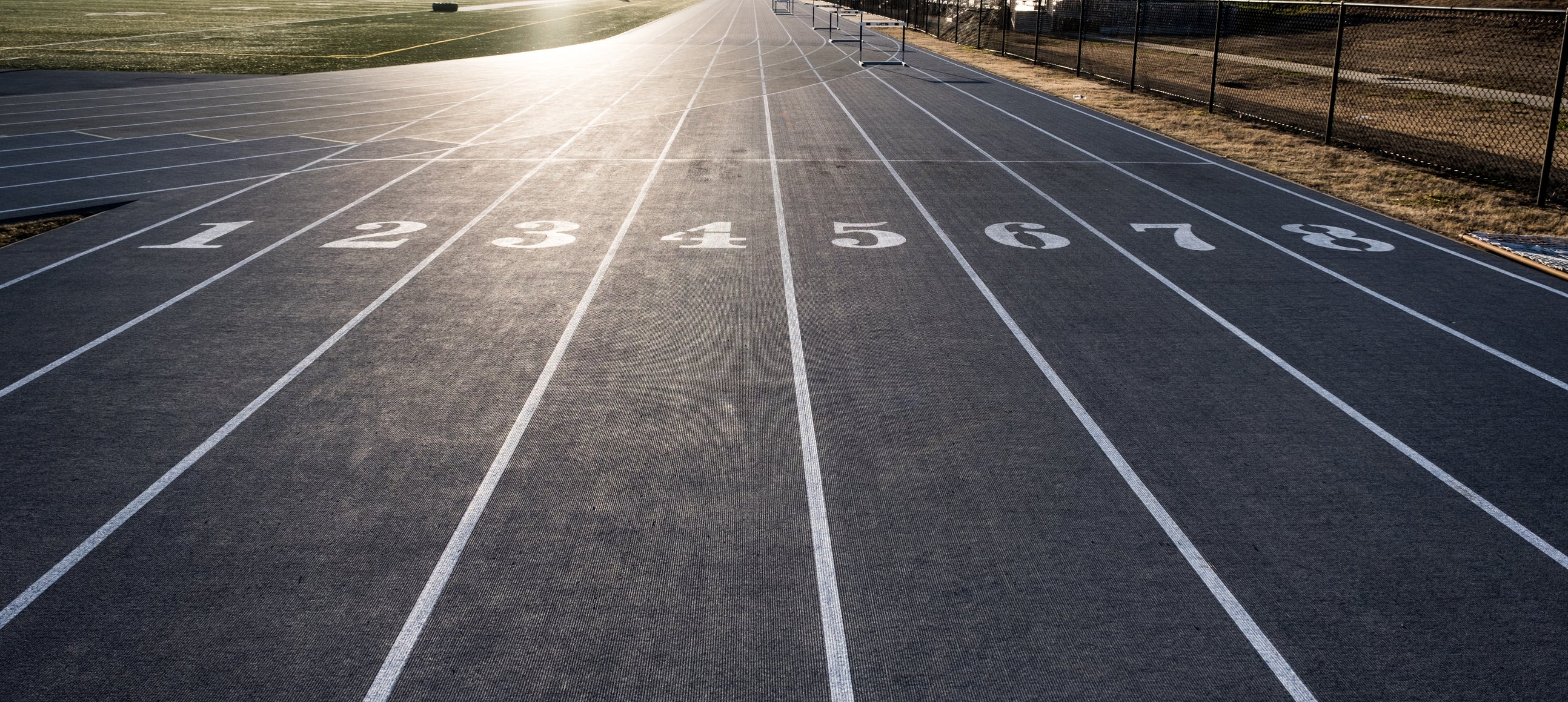
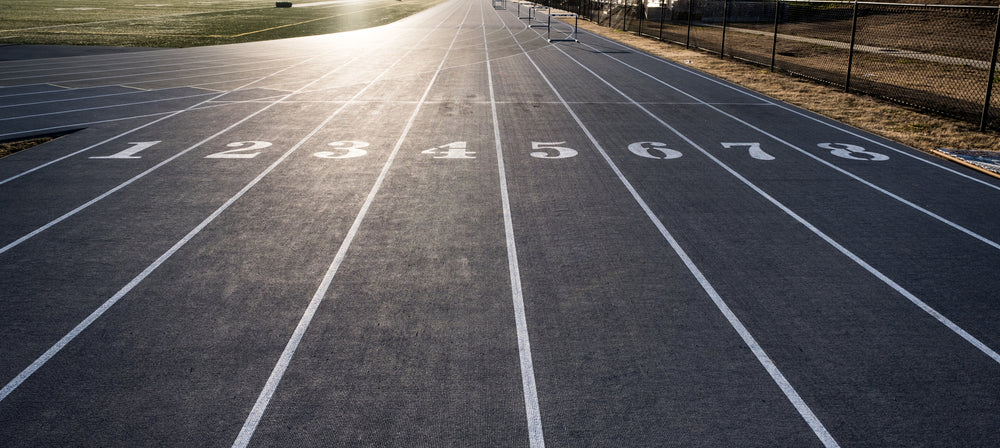
Standard outdoor tracks feature eight to nine lanes. Each lane is typically 1.22 meters wide. Indoor tracks usually have four to six lanes. Lane width remains consistent.

💡 Stuck on a team name? Try our free Team Name Generator →

TL;DR

Most professional and scholastic outdoor tracks are built with eight lanes, each precisely 1.22 metres wide, to ensure competitive fairness across all sprints and middle-distance events. Some larger, premier stadiums may feature nine lanes, offering flexibility for major championships and accommodating more athletes in heats. Indoor tracks, due to space constraints, often have fewer lanes, typically four to six, with slightly narrower widths ranging from 0.90 to 1.10 metres. The number of lanes directly impacts competition format, athlete placement, and event scheduling.

Track Type Typical Number of Lanes Standard Lane Width Common Events Held
Outdoor Standard 8 1.22 metres Sprints, Middle Distance, Hurdles
Outdoor Elite 9 1.22 metres Major Championships
Indoor Standard 4-6 0.90-1.10 metres Sprints, Middle Distance, Relays
School/Collegiate 6-8 1.22 metres Training, Local Meets

What is the standard number of lanes on a track?

The standard number of lanes on an outdoor track is generally eight, with each lane designed to be 1.22 metres wide. This configuration adheres to World Athletics standards, ensuring consistent conditions for athletes globally. The precise lane width helps prevent interference and provides sufficient space for runners during competition.

  • Outdoor tracks most commonly feature eight lanes for competitive fairness. * Each lane measures 1.22 metres (4 feet) in width, a standard set by World Athletics. * Larger international venues may occasionally include a ninth lane for increased capacity in major events.

Why do tracks have different numbers of lanes?

Tracks feature varying numbers of lanes primarily due to venue size, intended use, and specific competition requirements. While eight lanes are standard for major outdoor events, smaller school tracks or indoor facilities might have fewer to conserve space. The number of lanes impacts event scheduling and athlete accommodation.

  • High school tracks in the United States often have six to eight lanes, balancing cost and competitive needs. * Indoor tracks are typically constrained by building dimensions, resulting in four to six narrower lanes. * Major championships sometimes use nine-lane tracks to allow for more athletes in preliminary heats.

How to Choose the Right Track for Training

Selecting an appropriate track for training involves considering several practical factors to optimize your performance and safety.

  • Assess the surface type, preferring synthetic tracks over asphalt for impact absorption. * Verify lane availability, ensuring enough space for your desired workout intensity. * Check for proper markings and measurements, essential for accurate distance training. * Consider track access and operating hours, particularly for regular training sessions. * Look for facilities with consistent maintenance to prevent injuries from uneven surfaces.
🏁 DOMINATE THE COMPETITION IN STYLE!
Elevate your team's presence with fully customized track and field uniforms tailored to your unique identity. Experience superior comfort and a professional look.
SHOP CUSTOM APPAREL →
Unlimited Customization · Performance Fit · Team Spirit

Our Expert

Nic Reese
NR

Nic Reese

Our Sport Expert

Nic Reese is a sports expert and lifelong enthusiast with a deep focus on bowling and competitive team sports. He brings practical insight, real-world experience, and a genuine passion for the game into every piece of content. Nick is driven by a love of sports culture, performance, and helping players and teams perform at their best.

Track and field

Leave a comment

Related FAQs

View all

How to clean white track spikes?

track and fieldTrackBarn

To clean white track spikes, first remove the laces and insoles, then scrub visible dirt with a soft brush and a mild soap-and-water solution, avoiding harsh chemicals. For stubborn stains, a diluted bleach solution (1:10 ratio) can be applied carefully.

Which one is not a track and field event?

track and fieldTrackBarn

Cross-country running is not a track and field event because it takes place on natural terrain like dirt and grass, rather than on a synthetic track surface with defined lanes.

What are the best track spikes for hurdles?

track and fieldTrackBarn

The best track spikes for hurdles feature a stiff spike plate, a low-profile design for stability, and multiple short pyramid pins between 0.25 and 0.375 inches for optimal grip without impeding stride mechanics. This allows for quick, powerful transitions over barriers.

What does nm mean in track and field?

track and fieldTrackBarn

In track and field, "NM" signifies "No Mark," indicating an athlete did not record a valid measurement in a field event.

What is pole vault in track and field?

track and fieldTrackBarn

Pole vault is a track and field event where athletes use a long, flexible pole to clear a horizontal bar placed at significant heights. Competitors are scored on the maximum height achieved, following a precise sequence of events for a valid attempt.

What is ea javelin anticheat?

track and fieldTrackBarn

EA Javelin Anti-Cheat refers to specific regulations governing the javelin event, particularly the mandated use of rubber-tipped javelins across eight US states for high school competitions due to significant safety concerns. This measure aims to minimize serious injuries.