
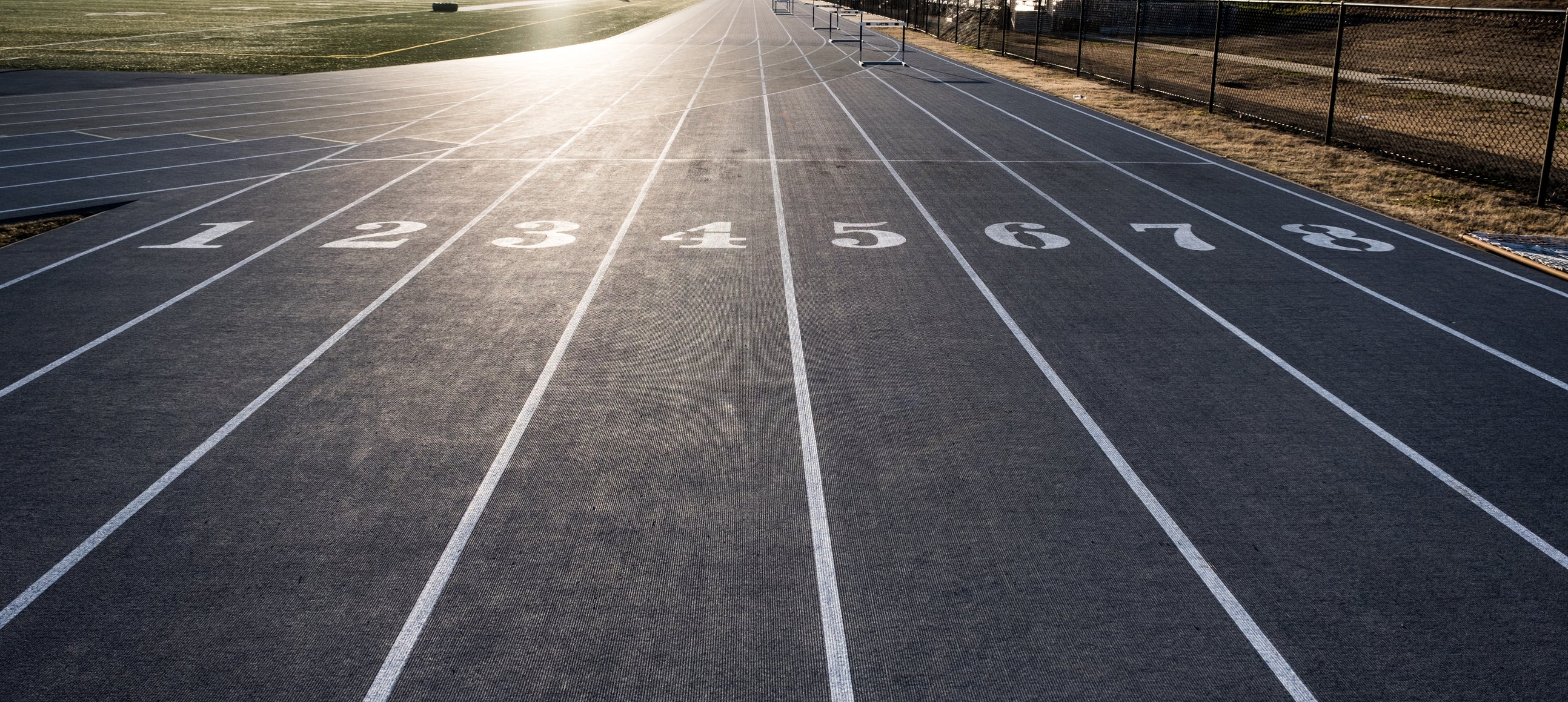
Cross country runners typically cover distances from 3 kilometers for younger athletes up to 10 kilometers at senior levels. High school races are commonly 5 kilometers in length. International senior championships mostly feature 10-kilometer courses.

TL;DR

Cross country race distances vary by age and level, typically ranging from 3km to 10km. High school athletes usually run 5km (3.1 miles), while senior international competitors follow the World Athletics standard of 10km for both men and women. - Standardise training with a calibrated.

Competition Level Typical Race Distance Primary Surface
Junior / Youth 3km to 4km Grass and Trails
High School 5km (3.1 miles) Mixed Terrain
Senior International 10km (6.2 miles) Grass and Dirt

What Are the Standard Cross Country Race Distances?

Race distances are determined by the age of the runners and the level of the competition. While youth events are shorter to accommodate developing athletes, senior international events are strictly regulated for consistency. For track and field, readers should use the answer as practical guidance, then check the latest rules, availability, or product details before acting. That keeps the decision grounded in the current situation rather than a generic answer that may miss timing, league, or format changes. If the question involves equipment like track and field jerseys, venues, schedules, or eligibility, confirm the details at the point of purchase or registration.

Track and field

Leave a comment

Related FAQs

View all

How to run cross country?

track and fieldCarl McCargo

Running cross country involves navigating natural terrain including grass, mud, and hills while maintaining a high aerobic pace over distances typically ranging from three to ten kilometres depending on the competition level. Success requires a blend of endurance training, specific technique for…

What is the javelin world record?

track and fieldCarl McCargo

The men's world record for the javelin throw is 98.48 metres, set by Jan Zelezny in 1996, while the women's world record is 72.28 metres, established by Barbora Spotakova in 2008. These marks represent the ultimate benchmarks of linear power and technical precision in modern athletics.

Why is it called cross country?

track and fieldCarl McCargo

The sport is called cross country because participants race across open terrain and natural landscapes rather than staying on a designated track or paved road. This naming convention reflects the requirement for athletes.

Who created track and field?

track and fieldCarl McCargo

The Ancient Greeks created track and field as part of the original Olympic Games in 776 BC, though modern competitive standards were later unified by the International Amateur Athletic Federation in 1921.

What does sr mean in track and field?

track and fieldCarl McCargo

In track and field, SR stands for Stadium Record, representing the fastest time or greatest distance ever achieved in a specific event at a particular stadium or venue. It serves as a historical benchmark for that specific location, distinct from national or world records.

What is sb in track and field?

track and fieldCarl McCargo

In track and field, **SB** stands for **Season Best**, representing the top legal performance or fastest time an athlete has achieved during the current competition year.