
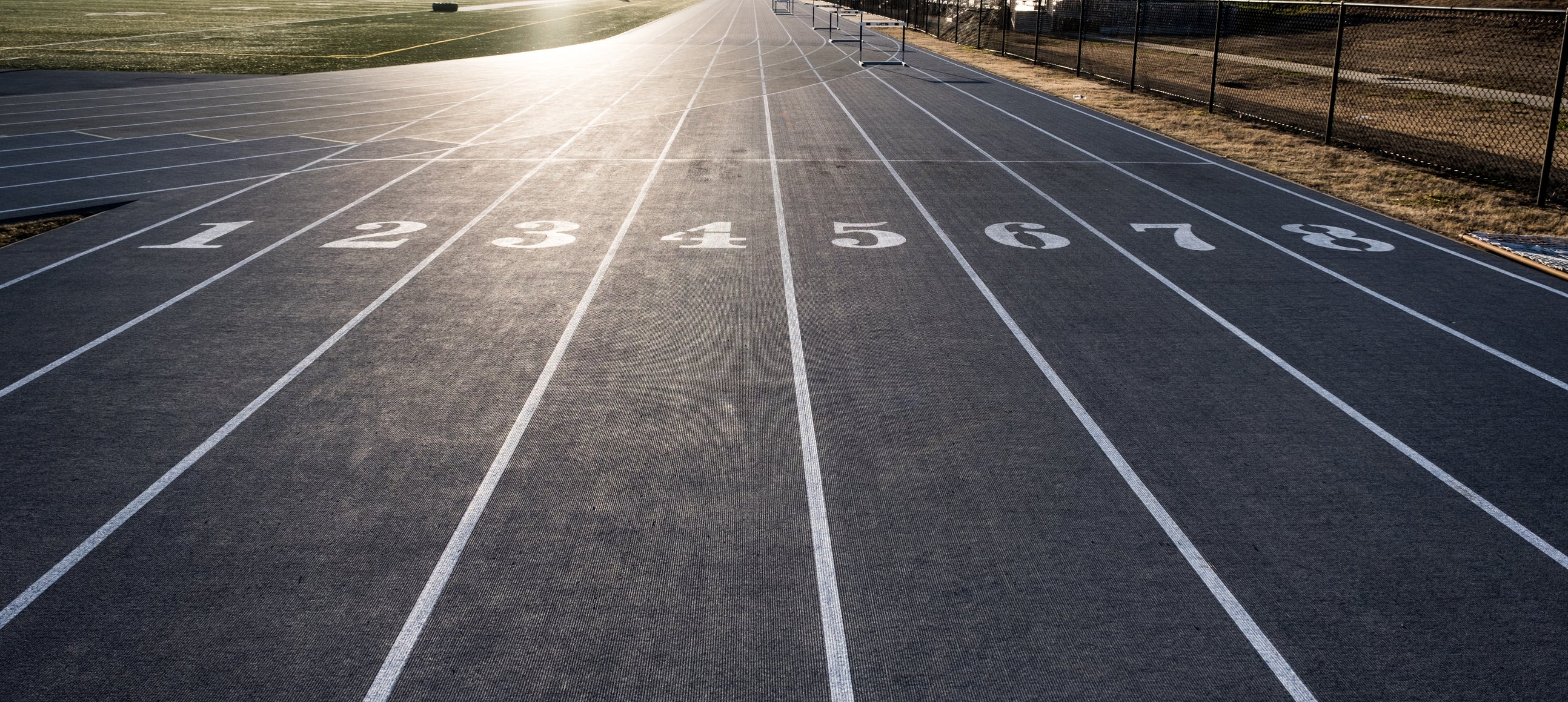
Photographing track and field requires fast shutter speeds of 1/1000th second or higher to clearly capture athletes in motion. Strategic positioning, often at ground level, enhances dramatic perspectives. Continuous autofocus modes help maintain sharp focus.
TL;DR
Photographing athletics requires high shutter speeds to stop action and low-angle positioning for impact. Use burst modes to catch the exact moment an athlete clears a hurdle or crosses the finish line. Prioritise autofocus tracking to ensure sharpness as subjects move rapidly toward the lens.
What Technical Settings Ensure Sharp Images?
Successful track photography relies on high shutter speeds and precise autofocus to manage the extreme velocity of sprinting and jumping events. Because athletes cover distance rapidly, cameras must track focus continuously while using fast frame rates to document every stride.
Technical form remains critical in track events, especially during the final stretch run where biomechanical efficiency dictates the outcome. Photographers often aim to capture the vibrant colors and moisture-wicking textures found in the track and field jerseys worn by elite competitors. For track and field, readers should use the answer as practical guidance, then check the latest rules, availability, or product details before acting. That keeps the decision grounded in the current situation rather than a generic answer that may miss timing, league, or format changes. If the question involves equipment, venues, schedules, or eligibility, confirm the details at the point of purchase or registration.