
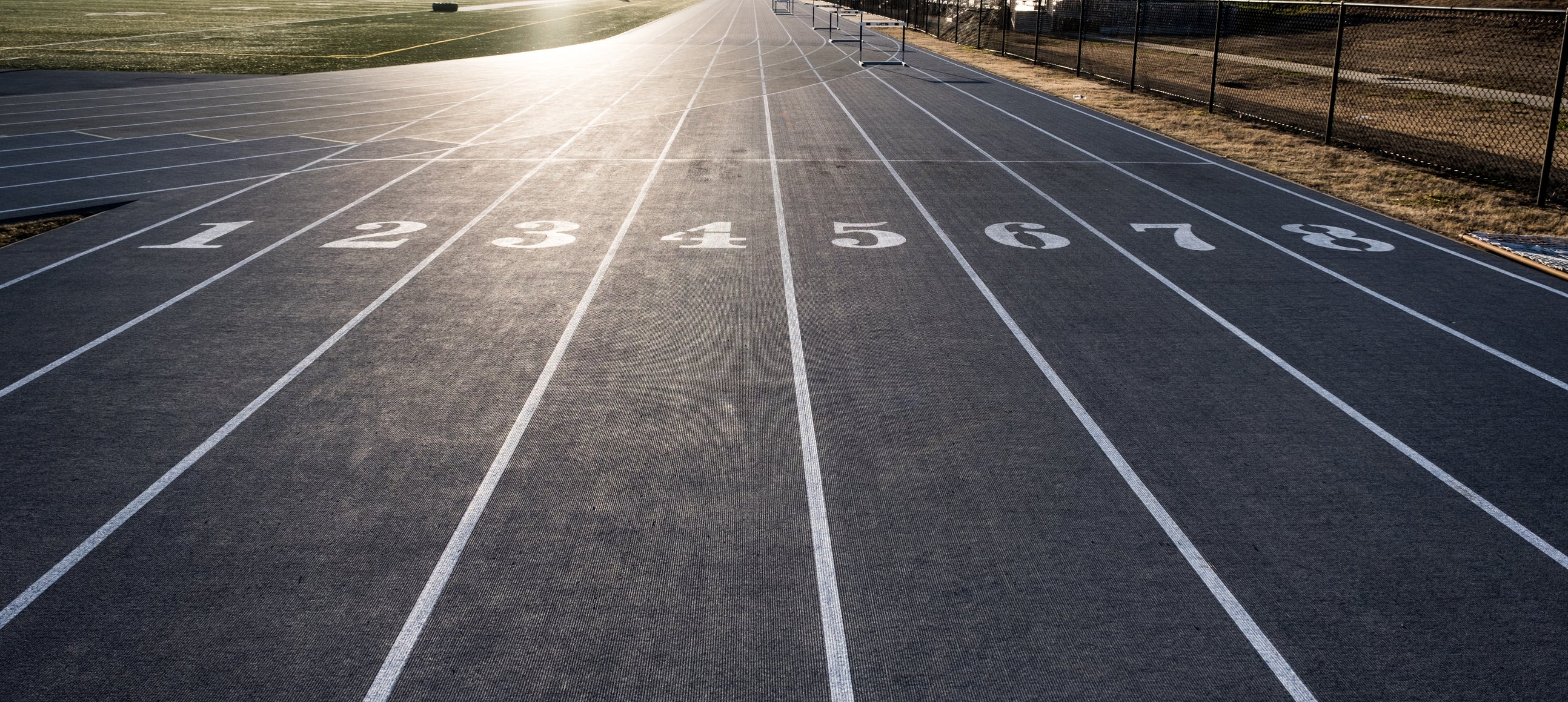

Track spikes enhance athlete performance by creating traction, minimizing slip, and efficiently transferring energy. Their rigid plates and embedded pins optimize grip on synthetic surfaces. This design reduces energy loss during each stride.

💡 Stuck on a team name? Try our free Team Name Generator →

TL;DR

Track spikes feature hard plastic or carbon-fiber plates with threaded metal pins that significantly improve an athlete's traction on synthetic tracks. This design minimizes energy loss during foot strike, allowing for more explosive propulsion while preserving the integrity of expensive polyurethane track surfaces through regulated spike geometry and length.

Spike Type Structure Typical Track Interaction Legality in Scholastic Competition
Pyramid Spikes Conical Compresses surface, energy return Generally Permitted
Needle Spikes Sharpened, thin pin Slices into track, causes tears Often Prohibited
Christmas Tree Spikes Stepped, tiered blunt shape Compresses track permanently Often Prohibited
Cross-Country Spikes Longer, aggressive tread Designed for dirt/grass, mud Prohibited on synthetic tracks

Athletes often size down their spikes for a snug fit, and specific spike types, like pyramid spikes, are mandated due to their interaction with track materials.

What is the primary function of track spikes?

Track spikes are ultra-lightweight athletic shoes designed to maximise grip and minimise energy loss, providing a stable interface between the athlete and the running surface. Their construction allows the athlete to exert force more effectively against the track, improving acceleration and speed.

  • Spikes feature hard plastic or carbon-fiber plates for rigidity.
  • Metal pins thread into the sole, creating ground-gripping points.
  • They fit snugly, often requiring a half-size smaller than regular shoes.

How do different spike types influence track interaction?

Different spike types interact with track surfaces uniquely, with pyramid spikes designed to compress and return energy, while needle and Christmas tree spikes can permanently damage the track. Governing bodies strictly regulate spike geometry and length to protect expensive synthetic tracks.

How to Choose the Right Track Spikes for You

Choosing the right track spikes involves considering several factors to match shoe to event and track surface.

  • Evaluate the specific track event requirements.
  • Consider the track surface type and local regulations on spike length.
  • Prioritise a snug, comfortable fit to prevent blisters.
  • Select spike types allowed in your specific competitions.
🔥 DOMINATE THE TRACK!
Every stride counts. Get perfectly fitted track and field spikes tailored to your event for unmatched acceleration and control. Win the race before it starts.
SHOP TRACK SPIKES →
Precision Fit · Event Specific · Aerodynamic Build

Our Expert

Nic Reese
NR

Nic Reese

Our Sport Expert

Nic Reese is a sports expert and lifelong enthusiast with a deep focus on bowling and competitive team sports. He brings practical insight, real-world experience, and a genuine passion for the game into every piece of content. Nick is driven by a love of sports culture, performance, and helping players and teams perform at their best.

Track and field

Leave a comment

Related FAQs

View all

How to clean white track spikes?

track and fieldTrackBarn

To clean white track spikes, first remove the laces and insoles, then scrub visible dirt with a soft brush and a mild soap-and-water solution, avoiding harsh chemicals. For stubborn stains, a diluted bleach solution (1:10 ratio) can be applied carefully.

Which one is not a track and field event?

track and fieldTrackBarn

Cross-country running is not a track and field event because it takes place on natural terrain like dirt and grass, rather than on a synthetic track surface with defined lanes.

What are the best track spikes for hurdles?

track and fieldTrackBarn

The best track spikes for hurdles feature a stiff spike plate, a low-profile design for stability, and multiple short pyramid pins between 0.25 and 0.375 inches for optimal grip without impeding stride mechanics. This allows for quick, powerful transitions over barriers.

What does nm mean in track and field?

track and fieldTrackBarn

In track and field, "NM" signifies "No Mark," indicating an athlete did not record a valid measurement in a field event.

What is pole vault in track and field?

track and fieldTrackBarn

Pole vault is a track and field event where athletes use a long, flexible pole to clear a horizontal bar placed at significant heights. Competitors are scored on the maximum height achieved, following a precise sequence of events for a valid attempt.

What is ea javelin anticheat?

track and fieldTrackBarn

EA Javelin Anti-Cheat refers to specific regulations governing the javelin event, particularly the mandated use of rubber-tipped javelins across eight US states for high school competitions due to significant safety concerns. This measure aims to minimize serious injuries.