
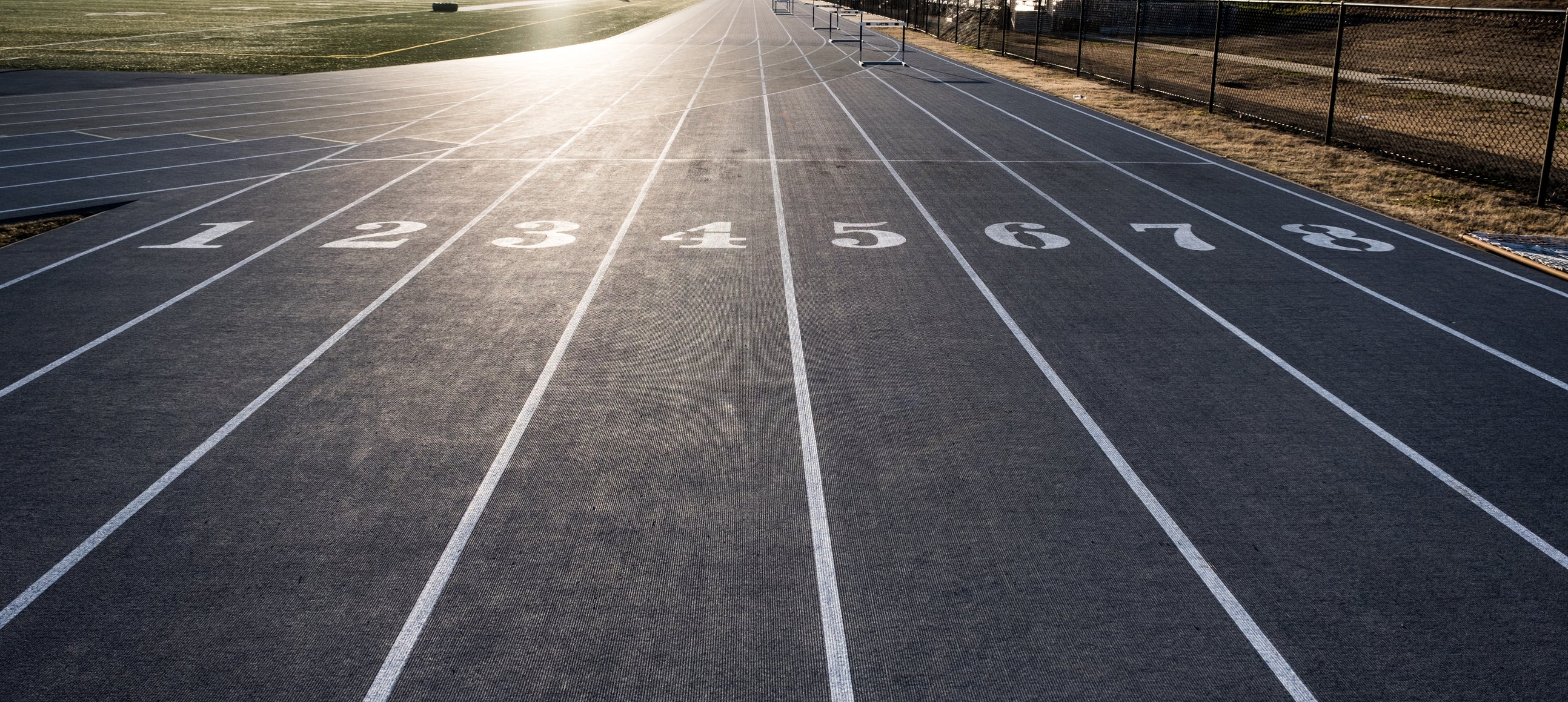
Track and field began in ancient Greece during the first recorded Olympic Games in 776 BC. Early events included footraces, discus, and javelin throwing. These foundational athletic contests tested pure human capabilities.

💡 Stuck on a team name? Try our free Team Name Generator →

TL;DR

Track and field began over 2,700 years ago as foundational athletic contests in ancient Greece, evolving from basic tests of speed, jumping, and throwing into a globally recognized sport with modern governing bodies like World Athletics.

Era/Level Primary Focus Governing Body/Regulation Typical Event Examples
Ancient Greece Physical prowess, military readiness Local traditions Footraces, discus, javelin
Middle School Introductory biomechanics, basic training School athletics departments Short sprints, simple jumps
High School Specialised coaching, competitive leagues NFHS (National Federation of State High School Associations) Hurdles, pole vault, shot put
International Elite performance, anti-"technological doping" World Athletics Decathlon, heptathlon

Early forms, such as footraces and throwing, served to showcase physical ability and military readiness, gradually becoming more organised over millennia.

What Are the Origins of Track and Field Athletics?

Track and field's formal beginnings can be traced to the ancient Olympic Games in Greece, which commenced in 776 BC. The earliest forms of these athletic contests were straightforward demonstrations of physical capability.

  • The ancient Olympics featured events like footraces, long jumps, and spear-throwing.
  • These competitions were crucial for displaying physical prowess and military preparedness.
  • Over centuries, these activities developed into the highly regulated disciplines seen today.

How Has Track and Field Evolved Over Time?

The evolution of track and field from ancient competitions to its modern form reflects a continuous process of standardisation and specialisation. Governing bodies like World Athletics now administer the sport globally.

  • In the U.S., track and field operates as a spring sport for middle and high schools.
  • Middle school programmes introduce fundamental running, hurdling, jumping, and throwing mechanics.
  • High school competition involves specialised coaching and strict adherence to NFHS rules.

How to Choose the Right Track and Field Uniforms

Selecting the correct track and field uniforms involves considering material composition, fit for movement, and compliance with governing body regulations. Focus on garments that provide comfort and support during competition and training.

  • Prioritise breathable, moisture-wicking fabrics for optimal performance.
  • Ensure uniforms allow for a full range of motion without restriction.
  • Verify adherence to specific rules on cut and design set by athletic associations.
  • Consider durability for repeated washing and rigorous use throughout the season.
💨 DESIGN YOUR DREAM UNIFORM!
Elevate your racing experience with personalized track uniforms tailored to your specifications. Stand out from the competition with gear that reflects your dedication.
SHOP CUSTOM UNIFORMS →
Unique Designs · Premium Materials · Fast Turnaround

Our Expert

Nic Reese
NR

Nic Reese

Our Sport Expert

Nic Reese is a sports expert and lifelong enthusiast with a deep focus on bowling and competitive team sports. He brings practical insight, real-world experience, and a genuine passion for the game into every piece of content. Nick is driven by a love of sports culture, performance, and helping players and teams perform at their best.

Track and field

Leave a comment

Related FAQs

View all

How to clean white track spikes?

track and fieldTrackBarn

To clean white track spikes, first remove the laces and insoles, then scrub visible dirt with a soft brush and a mild soap-and-water solution, avoiding harsh chemicals. For stubborn stains, a diluted bleach solution (1:10 ratio) can be applied carefully.

Which one is not a track and field event?

track and fieldTrackBarn

Cross-country running is not a track and field event because it takes place on natural terrain like dirt and grass, rather than on a synthetic track surface with defined lanes.

What are the best track spikes for hurdles?

track and fieldTrackBarn

The best track spikes for hurdles feature a stiff spike plate, a low-profile design for stability, and multiple short pyramid pins between 0.25 and 0.375 inches for optimal grip without impeding stride mechanics. This allows for quick, powerful transitions over barriers.

What does nm mean in track and field?

track and fieldTrackBarn

In track and field, "NM" signifies "No Mark," indicating an athlete did not record a valid measurement in a field event.

What is pole vault in track and field?

track and fieldTrackBarn

Pole vault is a track and field event where athletes use a long, flexible pole to clear a horizontal bar placed at significant heights. Competitors are scored on the maximum height achieved, following a precise sequence of events for a valid attempt.

What is ea javelin anticheat?

track and fieldTrackBarn

EA Javelin Anti-Cheat refers to specific regulations governing the javelin event, particularly the mandated use of rubber-tipped javelins across eight US states for high school competitions due to significant safety concerns. This measure aims to minimize serious injuries.