
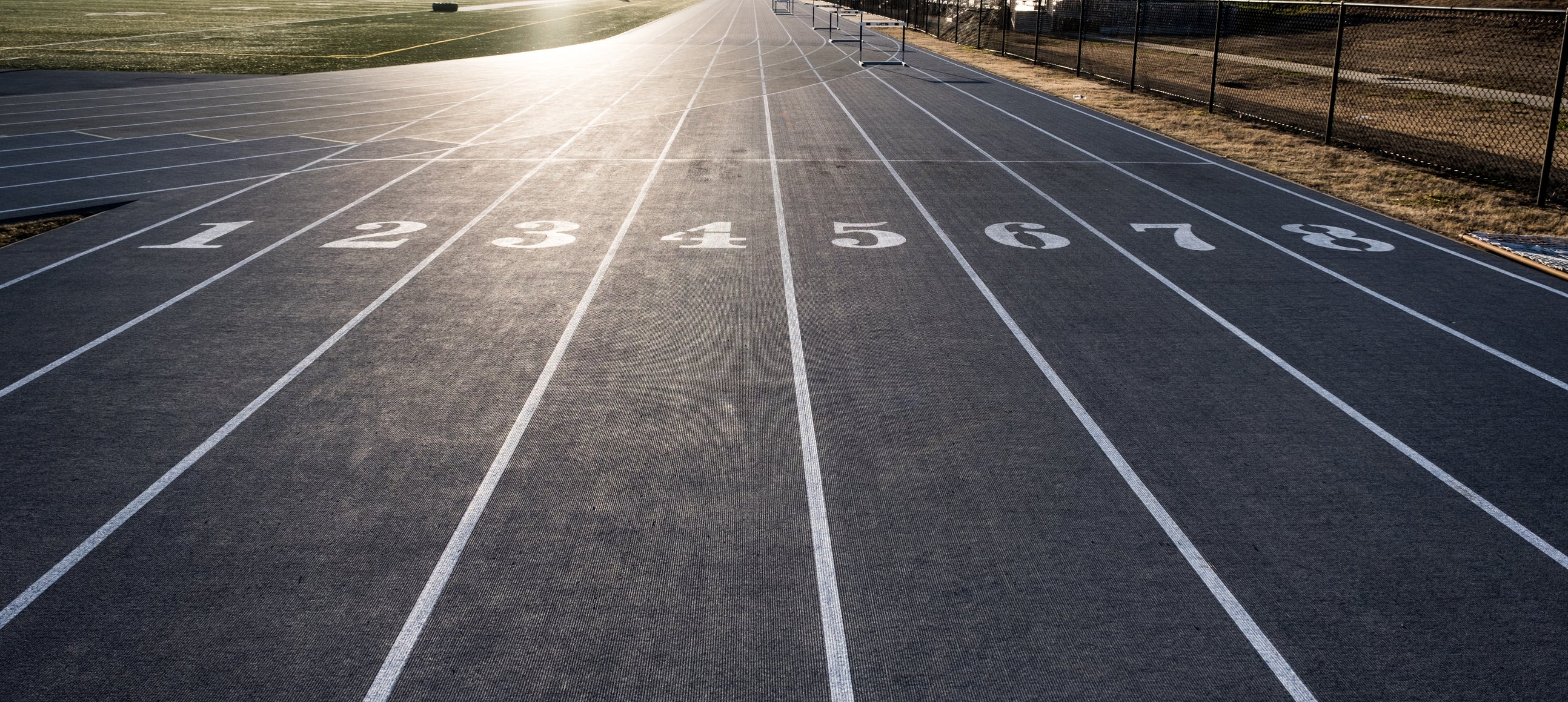
Track spikes should fit snugly, like a second skin, providing minimal internal movement. This ensures optimal power transfer and reduces friction for peak performance.

💡 Stuck on a team name? Try our free Team Name Generator →

TL;DR

Track spikes should fit very snugly, almost like a second skin, typically a half-size smaller than regular trainers to prevent foot movement and maximise energy transfer. They feature carbon-fiber spike plates with short metal pins for traction on specific track surfaces, with pin lengths strictly regulated at 1/4 inch for indoor tracks and 1/8 inch for outdoor pyramid spikes to prevent track damage. Break them in gradually during light workouts to avoid blisters.

Spike Type Fit snugness Spike Length (Outdoor) Spike Length (Indoor) Recommended Use
Sprint Spikes Very tight, second skin 1/4 inch (pyramid) 1/8 inch (pyramid) Short distances, maximum propulsion
Middle Distance Snug, less aggressive 1/4 inch (pyramid) 1/8 inch (pyramid) 800m to 3000m
Distance Spikes Comfortably snug 1/4 inch (pyramid) 1/8 inch (pyramid) 3000m and longer races
Jump Spikes Secure, rigid 1/4 inch (pyramid) 1/8 inch (pyramid) Long jump, triple jump, high jump

What is the ideal fit for track spikes?

The ideal fit for track spikes is exceptionally snug, functioning like a glove to optimise interaction with the track surface. This tight fit minimises foot movement within the shoe, enhancing power transfer and stride efficiency. Athletes frequently size down by at least a half-size from their normal trainers to achieve this precise fit.

  • Track spikes should feel very tight, like a second skin.
  • Athletes often purchase them a half-size smaller than their everyday shoes.
  • This snug fit prevents energy loss and improves traction during runs.

Why is a precise fit so important for performance?

A precise fit in track shoes is critical for performance because it directly impacts traction and energy transfer, preventing any slippage that could reduce speed or efficiency. The stiff spike plate needs to be a stable extension of the foot, allowing for maximal force application against the track surface for optimal forward propulsion. Without this mechanical advantage, an athlete's performance can be noticeably hindered.

  • Minimises internal foot movement, reducing friction and blisters.
  • Enhances the "grippy" feel crucial for powerful push-offs.
  • Transforms the shoe into a direct extension of the foot for efficient mechanics.

How to choose the right track spikes for you?

  • Consider the specific event you will compete in.
  • Prioritise a snug, yet comfortable, fit that allows no foot slippage.
  • Select spike pins appropriate for your track surface and league regulations.
  • Account for the four-month commercial availability rule for international meets.
🚀 UNLOCK YOUR POTENTIAL WITH PROPERLY FITTING SPIKES!
Don't let an ill-fitting shoe hold you back. Get the definitive guide to track shoe fit and find your perfect pair for every event. Enhance your stride and feel the difference.
GET STARTED →
Durable Construction · Superior Traction · Event Specific

Our Expert

Nic Reese
NR

Nic Reese

Our Sport Expert

Nic Reese is a sports expert and lifelong enthusiast with a deep focus on bowling and competitive team sports. He brings practical insight, real-world experience, and a genuine passion for the game into every piece of content. Nick is driven by a love of sports culture, performance, and helping players and teams perform at their best.

Track and field

Leave a comment

Related FAQs

View all

How to clean white track spikes?

track and fieldTrackBarn

To clean white track spikes, first remove the laces and insoles, then scrub visible dirt with a soft brush and a mild soap-and-water solution, avoiding harsh chemicals. For stubborn stains, a diluted bleach solution (1:10 ratio) can be applied carefully.

Which one is not a track and field event?

track and fieldTrackBarn

Cross-country running is not a track and field event because it takes place on natural terrain like dirt and grass, rather than on a synthetic track surface with defined lanes.

What are the best track spikes for hurdles?

track and fieldTrackBarn

The best track spikes for hurdles feature a stiff spike plate, a low-profile design for stability, and multiple short pyramid pins between 0.25 and 0.375 inches for optimal grip without impeding stride mechanics. This allows for quick, powerful transitions over barriers.

What does nm mean in track and field?

track and fieldTrackBarn

In track and field, "NM" signifies "No Mark," indicating an athlete did not record a valid measurement in a field event.

What is pole vault in track and field?

track and fieldTrackBarn

Pole vault is a track and field event where athletes use a long, flexible pole to clear a horizontal bar placed at significant heights. Competitors are scored on the maximum height achieved, following a precise sequence of events for a valid attempt.

What is ea javelin anticheat?

track and fieldTrackBarn

EA Javelin Anti-Cheat refers to specific regulations governing the javelin event, particularly the mandated use of rubber-tipped javelins across eight US states for high school competitions due to significant safety concerns. This measure aims to minimize serious injuries.