
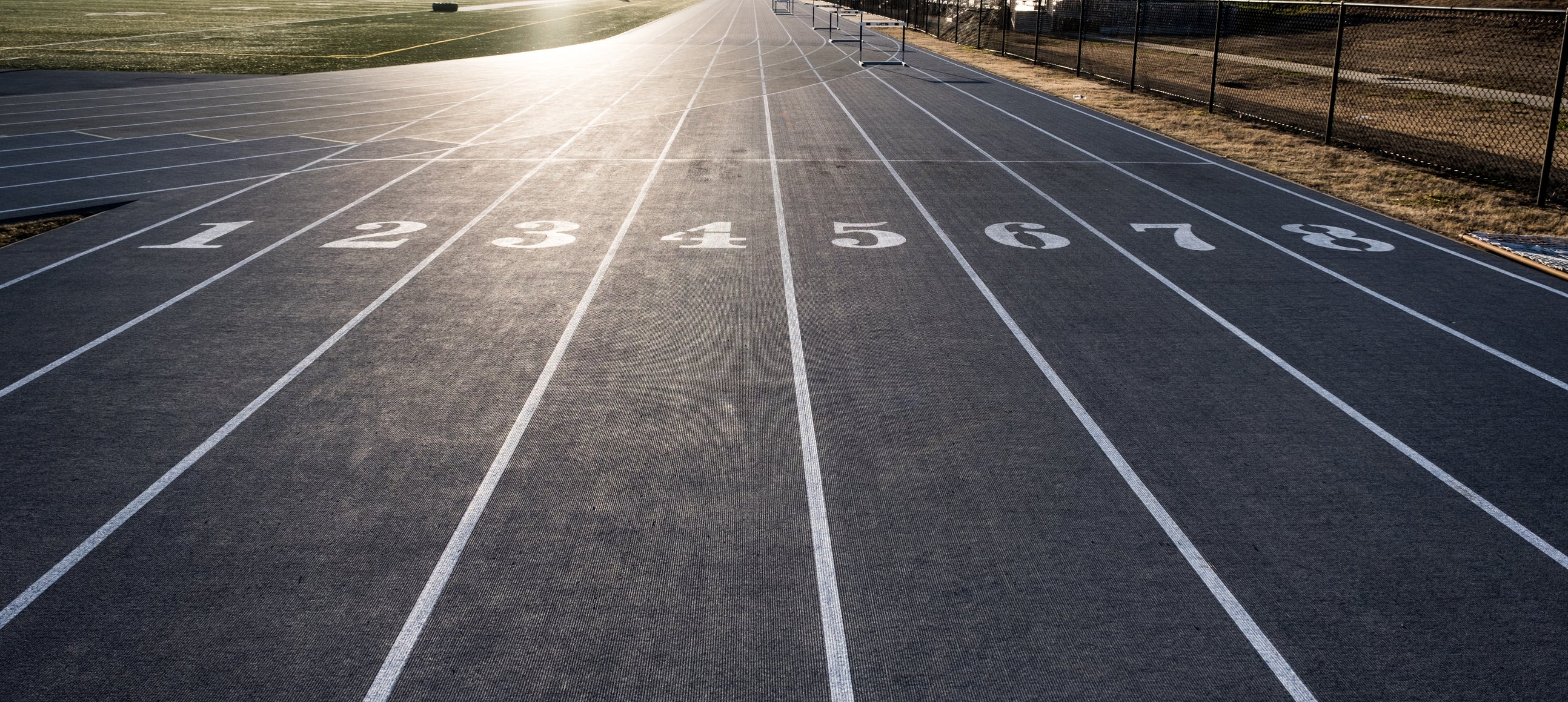
Yes, specialized track spikes are typically used for indoor track events. These spikes feature shorter pins than outdoor versions. This design protects indoor track surfaces while providing essential grip and traction. These shoes enhance performance on banked turns and straightaways.
💡 Stuck on a team name? Try our free Team Name Generator →
TL;DR
Yes, spikes are recommended for indoor track events to enhance traction and reduce energy loss, but specific regulations apply. Indoor track events traditionally restrict spike pins to a shorter 0.125-inch (1/8 inch) limit, contrasting with the 0.25-inch maximum for outdoor pyramid spikes, ensuring the preservation of indoor surfaces and wooden boards.
Athletes should ensure their spikes comply with these regulations to avoid disqualification and potential damage to the track.
How Do Indoor Track Spikes Differ From Outdoor Spikes?
Indoor track spikes differ from outdoor versions primarily in their pin length and design to suit the specific track surfaces. Indoor tracks, often made of sensitive polyurethane or asphalt compounds, require shorter pins to prevent damage, whereas outdoor tracks can accommodate longer spikes for varied conditions.
- Indoor spikes typically have a maximum pin length of 0.125 inches (1/8 inch).
- Outdoor pyramid spikes can extend up to 0.25 inches for better grip on different surfaces.
- Needle and Christmas tree spikes are often prohibited in school competitions due to their potential to damage track materials.
What Are the Regulations for Spike Pin Lengths?
Regulations for spike pin lengths are strictly enforced by governing bodies, such as the Minnesota State High School League (MSHSL), to safeguard expensive track surfaces. These rules dictate appropriate pin sizes for both indoor and outdoor competition environments.
- The MSHSL enforces a universal maximum limit of 0.25 inches (1/4 inch) for outdoor pyramid spikes.
- Indoor track events traditionally restrict pins to a shorter 0.125-inch (1/8 inch) limit.
- These specific length limitations help prevent physical damage to the costly synthetic running tracks.
How to Choose the Right Spikes for You
Choosing the right track spikes involves considering the event, the track surface, and specific regulations.
- Determine if the event is indoor or outdoor to select appropriate pin lengths.
- Verify the specific regulations for spike length at your competition venue.
- Opt for ultra-lightweight designs that feature hard plastic or carbon-fiber spike plates.
- Ensure a snug fit, often requiring a half-size reduction from standard training shoes.
- Consider whether ultra-thin socks or going barefoot maximises tactile feedback.
