
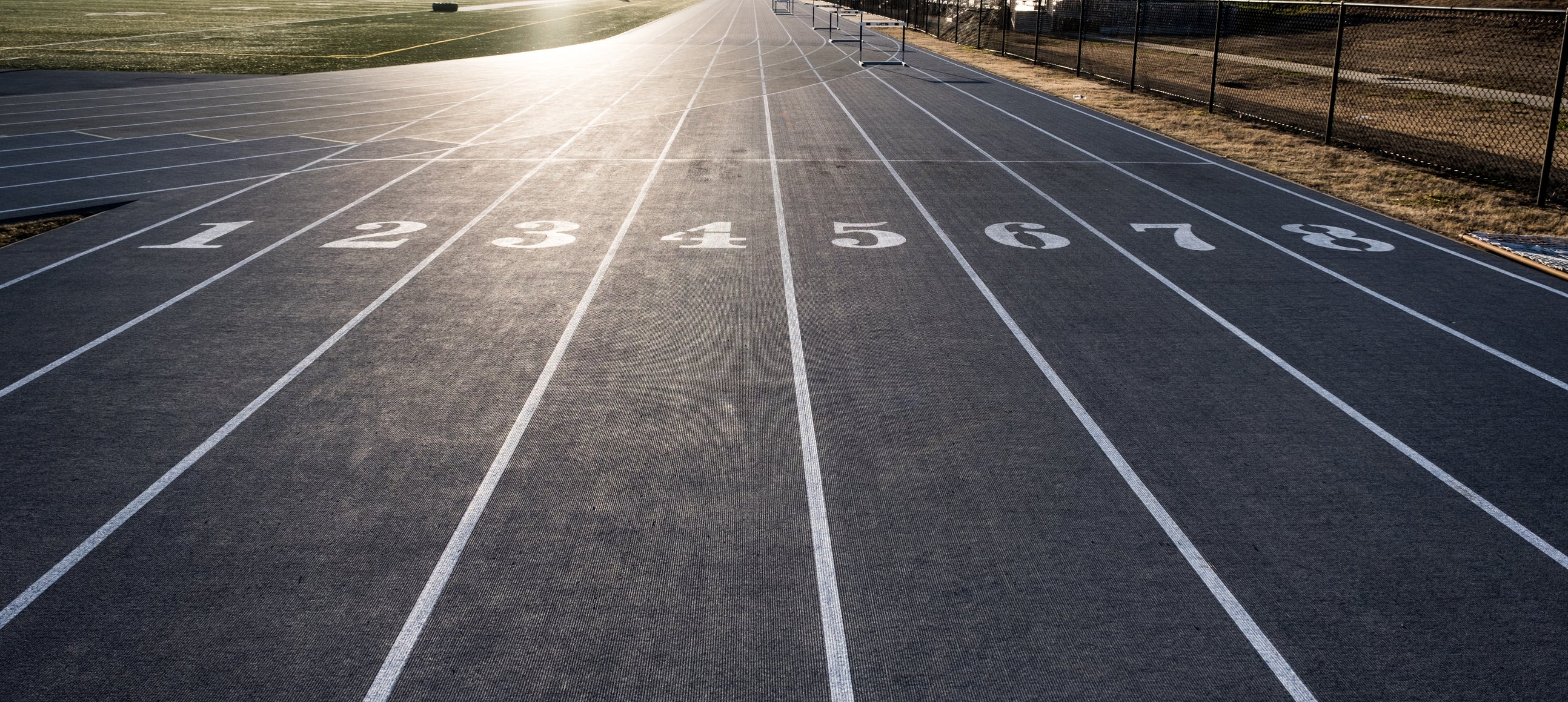
Yes, track spikes can be used on grass, provided the spike pins are long enough to grip the turf effectively. Pins typically between 6mm and 9mm offer the ideal traction for natural grass surfaces. This ensures stability during athletic movements.
💡 Stuck on a team name? Try our free Team Name Generator →
TL;DR
While track spikes are primarily designed for synthetic tracks, they perform adequately on grass if equipped with longer pins, such as 6mm or 9mm pyramid spikes, which enhance traction on softer natural surfaces. Cross-country spikes are specifically engineered for grass and dirt with more aggressive tread designs.
Using unsuitable spikes, like short indoor pins, on grass will offer minimal grip, while using long cross-country pins on a track is illegal in many competitions due to potential surface damage.
What Are the Differences Between Track and Cross-Country Spikes?
Track spikes are ultra-lightweight shoes optimized for synthetic tracks, featuring rigid plates for propulsion, whereas cross-country spikes have more aggressive tread for natural terrain. The primary distinction lies in their intended surface and pin configurations. Track spikes focus on firm, short pin contact, while cross-country versions prioritize grip and mud shedding on uneven ground.
- Track spikes are engineered with stiff sole plates and shorter pins, typically 6mm (1/4 inch), for optimal grip on rubberized track surfaces.
- Cross-country shoes incorporate a more rugged outsole with longer, often interchangeable, pins to navigate dirt, mud, and grass effectively.
- Many track spike models support interchangeable pins, allowing athletes to switch to longer pins for grass or shorter, track-legal pins as needed.
What Pin Lengths Are Appropriate for Grass?
Appropriate pin lengths for grass typically range from 6mm to 9mm, providing necessary grip without compromising stability or damaging the footwear. Pins shorter than 6mm offer insufficient traction, especially on wet or soft grass. Conversely, pins exceeding 9mm may feel unstable or 'bog down' in softer grounds.
- For general grass use, 6mm pyramid spikes offer a good balance of grip and comfort.
- On particularly wet or muddy grass, 9mm pins provide superior traction and help prevent slipping.
- Athletes should avoid needle or Christmas tree spike types on any surface as they are often prohibited and can damage running surfaces.
How to Choose the Right Footwear for Natural Surfaces
When selecting footwear for natural surfaces, prioritize appropriate pin length, sole aggressiveness, and overall shoe durability for the specific terrain. For track field bags backpacks, visit ProPlayerTeam.
- Assess the typical conditions of the grass course- wet, dry, soft, or firm.
- Consider the required traction versus potential instability from excessively long pins.
- Evaluate the shoe's mid-sole and upper for cushioning and support over uneven terrain.
- Ensure the spike pins are interchangeable, allowing for adaptation to different surfaces.
- Verify compliance with event regulations regarding spike pin length and type.
