
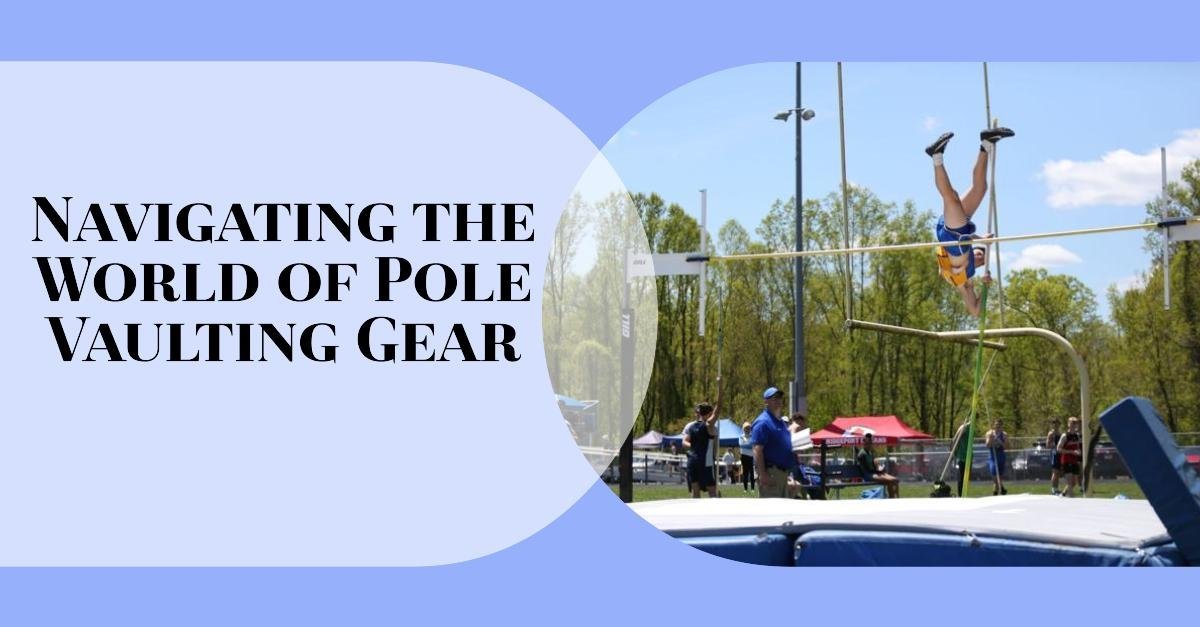
Vaulting Toward Greatness: Picking the Right Gear Without Crashing
Pole vaulting is basically a bunch of adrenaline junkies trying to launch themselves into the stratosphere using a glorified fiberglass stick. It is the only sport where the reward for doing everything right is a fifteen-foot drop onto what is essentially an oversized mattress. If it sounds like a circus act, that is because it used to be one. For those ready to defy gravity, having the right gear is the difference between clearing the bar and becoming a very expensive human accordion on the runway.
TL;DR
- Choosing the right pole depends entirely on an athlete's weight and grip height.
- Specialized vaulting spikes provide the rigid platform needed for a high-intensity plant.
- Safety equipment like helmets and proper landing mats are non-negotiable for injury prevention.
- Custom team kit increases confidence and brand visibility during high-stakes competitions.
# In This Article
5 sectionsQuick navigation to each section of this article:
Quick Tips
1Never use a pole rated below your actual body weight for safety.
2Replace vaulting spikes every season to maintain essential grip and support.
3Always check your pole for scratches before every single jump session.
What Makes a Vaulting Pole Special?
Back in the day, vaulters used bamboo or ash wood, which had the flexibility of a frozen overcooked noodle. Modern poles are miracles of engineering usually made of fiberglass or carbon fiber. The pole acts like a giant spring, storing the kinetic energy from a full-speed sprint and releasing it to catapult the athlete upward like a human pebble from a slingshot.
Selecting a pole isn't about picking a cool colour. It's about the weight rating and the length. Every pole has a maximum weight printed on it. If a 180-pound vaulter uses a 160-pound pole, it's going to snap like a toothpick under pressure, and nobody wants a face full of splinters. Carbon fiber poles are lighter and move faster through the air, but they're also more brittle and expensive, making them the Ferraris of the track world.
- Fiberglass is forgiving and durable for beginners.
- Carbon fiber offers a faster return for elite athletes.
- The weight rating must exceed the vaulter's actual weight.
- Length is determined by the athlete's height and grip reach.
Sources: UCS Spirit Pole Specifications, World Athletics Equipment Rules
How Do You Choose Your Spikes?
You can't jump in everyday trainers unless you want to slide across the runway like a cartoon character on a banana peel. Vaulting spikes are weirdly specific. They have a very stiff plate in the sole because you need a solid platform to transfer energy. If the shoe flexes too much during the plant, you lose all your power and end up looking like you're trying to jump out of a vat of pudding.
Unlike distance runners who want feather-light shoes, vaulters need something that can take a beating. These spikes often feature a sharkskin heel for extra grip and a strap over the laces to keep the foot totally locked in. If the foot moves even a millimetre inside that shoe during the takeoff, that's energy not going into the vertical.
"The plant is the most violent part of the vault. You are hitting the ground with multiples of your body weight in force. If your footwear isn't up to the task, your shins and ankles will pay the price long before you clear a bar." - Jeff Coover, Professional Pole Vaulter
Sources: Nike Track and Field Gear, Runner's World Spike Guide
What Safety Gear Is Essential?
Vaulters are basically launching themselves into a second-story window. Safety gear isn't just for nervous people; it's for anyone who likes having an intact skull. While helmets aren't mandatory in every competition, many clubs require them for beginners. These aren't bulky bicycle helmets; they're streamlined shells designed to take the edge off a bad landing or a pole kick-back.
Grip tape and chalk are also vital. Sweaty hands on a smooth pole lead to slipping, which usually results in a terrifying mid-air stall. Most vaulters use a combination of athletic tape and sticky spray to ensure they stay connected to the pole until the moment of release.
- Helmets protect against impact with the box or the ground.
- Grip tape is essential for maintaining a consistent hold.
- Landing mats must meet specific density and size requirements.
- Box padding softens the area around the pole plant point.
Sources: ASTM International Safety Standards, Pole Vault Safety Foundation
Why Does Team Apparel Matter?
Looking like a cohesive unit isn't just about vanity. When a team walks onto the track in matching, custom-designed gear, it's a massive confidence boost. It tells the competition that this squad actually practised today and didn't just crawl out of a basement. It is about psychological warfare as much as it is about fashion.
Modern track uniforms use compression fabrics that reduce drag and keep muscles warm. For pole vaulting, the fit needs to be tight. Loose clothing can easily catch on the bar, turning a massive jump into a "no height" because a baggy shirt tail snagged the crossbar on the way down. High-quality custom kits allow teams to integrate their colours and logos into sleek, aerodynamic designs that won't get in the way of a record-breaking performance.
Sources: British Athletics Team Wear, Loughborough University Sports Tech
How Do They Compare Side by Side?
When building out a gear bag, athletes have to choose between going for the budget-friendly options or the elite-level equipment. Beginners often benefit from more forgiving gear that allows for technical mistakes, while pros need equipment that provides zero margin for error but maximum output. It's like comparing a sturdy mountain bike to a carbon-frame road racer; both work, but the goals are different.
Sources: Gill Athletics Equipment, Mondo Worldwide Surfaces
Which Option Should You Choose?
Deciding on gear depends on the current stage of the vaulting career. Beginners should focus on safety and consistency. There is no point in buying an £800 carbon fiber pole if the athlete hasn't mastered the approach run. You wouldn't give a learner driver the keys to a Pagani, would you? Start with fiberglass poles rated 10 pounds over body weight and a sturdy pair of all-around jumping spikes.
Once the technique is locked in and the athlete is consistently hitting the sweet spot of the pole's bend, it's time to upgrade. Higher-end gear allows for faster transitions and more explosive heights. At the end of the day, the best gear is the stuff that makes the vaulter feel invincible on the runway while providing the technical support required to clear those intimidating heights. If you are ready to gear up, it is time to get started with your selection.
Sources: World Athletics Training Manuals, Athletics Weekly Gear Reviews


